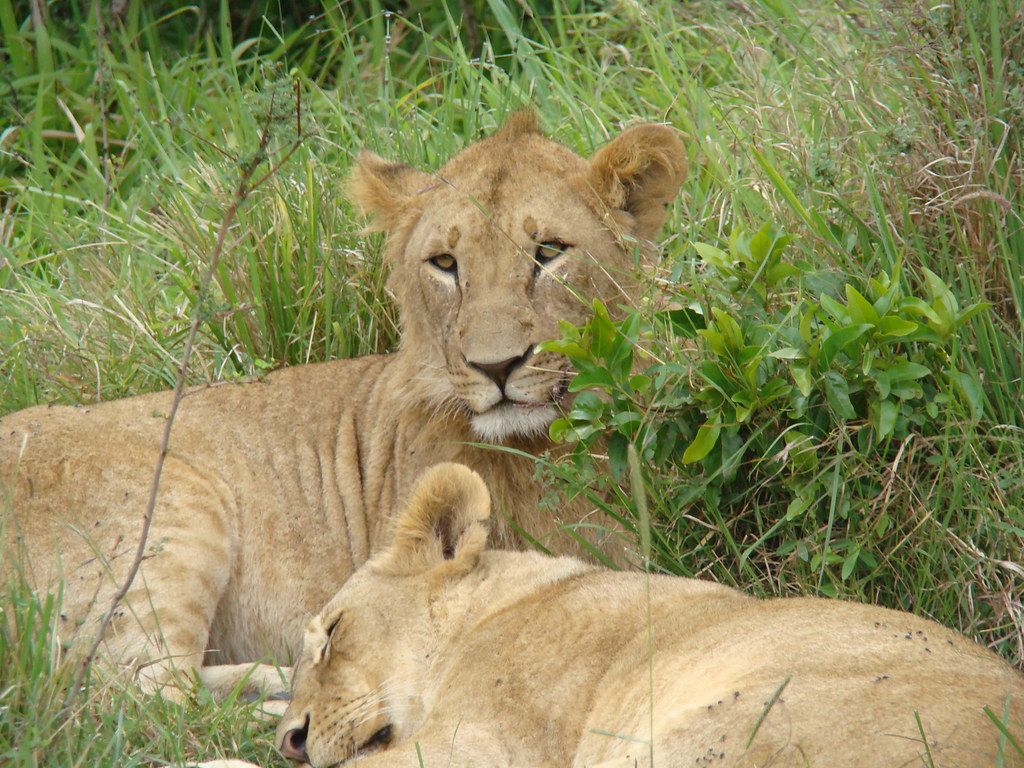
Kenya Big Five Self-Drive Safari: Best 4×4 Car Rental Guide
Experience an unforgettable Kenya Big Five self-drive safari and discover the freedom of exploring Africa at your own pace. With a reliable 4×4 rental, you can travel from Nairobi to Kenya’s famous wildlife reserves, search for lions and elephants, watch herds of buffaloes, and enjoy the spectacular landscapes of the Maasai Mara and other safari destinations.
Kenya is one of Africa’s leading wildlife destinations, offering excellent opportunities to see the Big Five: lions, leopards, elephants, rhinoceroses, and African buffaloes. For independent travelers, a self-drive safari combines wildlife viewing, scenic road trips, and the flexibility to choose your own route and accommodation.
Whether you are planning a short safari from Nairobi, a camping adventure with a rooftop tent, or a longer road trip across Kenya, choosing the right 4×4 vehicle is an essential part of your journey.
Planning a Kenya safari? Discover the best national parks for Big Five wildlife viewing, compare suitable 4×4 rental options, and prepare for an independent safari through Kenya’s remarkable landscapes.
Why Choose a Kenya Big Five Self-Drive Safari?
A self-drive safari in Kenya gives you greater control over your travel schedule. You can choose your destinations, spend more time at wildlife sightings, and select accommodation that suits your travel style and budget.
Kenya’s safari destinations range from the famous savannahs of the Maasai Mara to the elephant country of Amboseli and the rugged landscapes of Tsavo. With careful planning, you can build an itinerary around the wildlife, scenery, and experiences that interest you most.
A Kenya self-drive safari allows you to:
- Search for all five members of the Big Five.
- Explore selected national parks and wildlife reserves.
- Travel independently from Nairobi or another agreed pickup location.
- Choose between lodges, tented camps, and approved campsites.
- Rent a 4×4 with a rooftop tent and camping equipment, subject to availability.
- Combine wildlife viewing with Kenya’s lakes, mountains, and coastal destinations.
- Extend your trip into a wider East African self-drive adventure.
Self-driving offers flexibility, but wildlife sightings are never guaranteed. Some parks have challenging tracks, and park rules, vehicle requirements, and road conditions differ between destinations.
Where to See the Big Five in Kenya
Kenya has several important wildlife destinations where travelers can search for the Big Five. The best park for your trip depends on your route, travel dates, available time, and preferred style of safari.
1. Maasai Mara National Reserve
The Maasai Mara is one of Kenya’s most famous wildlife destinations, known for its open grasslands, large concentrations of wildlife, and seasonal wildebeest migration.
The reserve and its surrounding conservancies offer opportunities to search for lions, leopards, elephants, buffaloes, and rhinoceroses. However, wildlife distribution and access rules vary across the reserve and conservancies.
The Maasai Mara is especially attractive for travelers who want a classic African savannah safari. The annual wildebeest migration can provide another highlight, although the timing and location of the herds vary each year.
Self-drive tip: Confirm whether your chosen rental vehicle is permitted in the specific reserve or conservancy you plan to visit. Rules and access arrangements may differ.
2. Amboseli National Park
Amboseli National Park is famous for its large elephant herds and striking views of Mount Kilimanjaro on clear days.
The park is a particularly appealing destination for photographers and travelers interested in elephant behaviour. Lions, buffaloes, and other wildlife can also be encountered.
Although Amboseli offers rewarding wildlife viewing, finding leopards and rhinoceroses is less predictable than in some other destinations.
Best for: Elephant photography, open landscapes, and a shorter safari from Nairobi.
3. Tsavo East National Park
Tsavo East is one of Kenya’s largest national parks, featuring expansive landscapes, red-earth scenery, and diverse wildlife.
Elephants are a major attraction, while lions, leopards, and buffaloes may also be encountered. The park’s vast size makes it important to plan your route and overnight stops carefully.
Best for: Travelers who want a spacious wilderness experience and a safari that can be combined with Kenya’s coast.
4. Tsavo West National Park
Tsavo West offers a different landscape, with volcanic terrain, hills, woodland, and scenic viewpoints. Its varied habitats support elephants, buffaloes, lions, leopards, and other wildlife.
Rhinoceroses are protected in designated conservation areas, including the Ngulia Rhino Sanctuary, where access is subject to local rules and operating arrangements.
Best for: Scenic driving, varied landscapes, and travelers exploring southern Kenya.
5. Ol Pejeta Conservancy
Ol Pejeta Conservancy, in central Kenya, is a notable destination for rhinoceros conservation and wildlife experiences.
The conservancy is particularly relevant to travelers hoping to learn about black and white rhinos and the protection of endangered wildlife. Other species, including elephants, lions, leopards, and buffaloes, may also be found in the wider ecosystem.
Ol Pejeta is a strong option for a northern Kenya itinerary, but confirm the current rules and costs for self-drive visitors before booking.
Best for: Rhinoceros conservation, wildlife photography, and combining safari with central Kenya’s highland scenery.
Best 4×4 Car Rental for a Kenya Self-Drive Safari
Choosing the right vehicle can improve comfort, luggage space, and access on your safari. A well-maintained 4×4 is recommended for many Kenyan wildlife itineraries, particularly when traveling on rough or unpaved roads.
Toyota Land Cruiser Prado
The Toyota Land Cruiser Prado is suitable for couples, families, and small groups looking for a comfortable 4×4.
It offers a useful balance of road comfort, ground clearance, and passenger space. It can be a good choice for a Kenya road trip that combines Nairobi, Amboseli, and other destinations, provided it meets the requirements of your chosen parks.
Toyota Land Cruiser 70 Series
A Land Cruiser 70 Series can be suitable for travelers who prioritize rugged construction and remote-area travel.
Available configurations differ, so check passenger capacity, luggage space, insurance, and the vehicle’s specific safari capabilities before booking.
Toyota Hilux 4×4
A Toyota Hilux is a versatile pickup that may suit independent travelers who need luggage capacity or want a camping setup.
Depending on the rental package, a Hilux may be available with a rooftop tent and selected camping equipment.
4×4 with Rooftop Tent
A rooftop-tent vehicle is ideal for travelers who want to combine self-drive game viewing with camping at approved campsites.
Before booking, confirm whether the package includes a tent, mattress, bedding, refrigerator, cooking equipment, table, chairs, and recovery equipment.
When comparing Kenya 4×4 car rental prices, check mileage limits, insurance excess, park-use authorization, roadside assistance, breakdown recovery, and cross-border restrictions.
Suggested 7-Day Kenya Big Five Self-Drive Safari
This sample itinerary combines several well-known safari destinations. Driving times and park access can vary considerably, so confirm the route with your rental company and allow flexibility for wildlife viewing.
Day 1: Arrive in Nairobi
Arrive in Nairobi and collect your rental 4×4. Check the vehicle, review your insurance documents, and confirm your emergency contact arrangements.
Use the day to purchase supplies and prepare for your safari.
Overnight: Nairobi.
Day 2: Nairobi to Ol Pejeta Conservancy
Drive north towards the Nanyuki area and Ol Pejeta Conservancy. Allow time for the journey and entry arrangements.
Explore the conservancy according to its current visitor rules and your booked activities.
Overnight: Ol Pejeta area.
Day 3: Ol Pejeta to Lake Naivasha
Travel towards the Great Rift Valley and Lake Naivasha. Enjoy the scenery and, if time permits, arrange an appropriate lake activity or a visit to a nearby attraction.
This is primarily a transfer and sightseeing day rather than a full Big Five game-drive day.
Overnight: Lake Naivasha area.
Day 4: Lake Naivasha to the Maasai Mara
Drive towards the Maasai Mara region. Allow sufficient time for the road journey and arrival at your accommodation.
Check the access rules for your chosen reserve or conservancy, particularly if you plan to drive independently.
Overnight: Maasai Mara area.
Day 5: Maasai Mara Wildlife Safari
Spend the day searching for lions, leopards, elephants, buffaloes, and other wildlife.
Follow permitted routes and reserve regulations, and take time to observe animals without disturbing them.
Overnight: Maasai Mara area.
Day 6: Maasai Mara to Nairobi
Return towards Nairobi, allowing sufficient time for the journey and road conditions.
If your schedule permits, an extra night in the Mara will provide more wildlife-viewing time and reduce the need to rush.
Overnight: Nairobi or another convenient location.
Day 7: Nairobi Departure
Return your rental vehicle according to the agreed handover arrangements. If you have an international flight, leave a generous time buffer.
Planning note: This itinerary is an introductory road-trip framework. It does not guarantee sightings of all five species. If your priority is maximizing wildlife viewing rather than covering multiple regions, consider spending more nights in one or two suitable destinations.
Best Time for a Kenya Big Five Self-Drive Safari
Kenya is a year-round safari destination, but seasonal conditions can influence wildlife viewing, road access, and accommodation prices.
June to October: The main dry season is popular for wildlife viewing. The Maasai Mara can be particularly busy during the migration period, and accommodation may need to be booked well in advance.
January to February: Often a useful period for safari travel, with relatively dry conditions in many regions.
March to May: The long rains can make some unpaved roads and tracks more challenging. Check conditions before choosing a self-drive route.
November to December: Short rains can affect driving conditions, although many destinations remain accessible.
The wildebeest migration does not follow an exact calendar. Confirm recent sightings and local conditions if the migration is a key reason for your visit.
Kenya Big Five Safari Cost: What Should You Budget?
The total cost of a Kenya self-drive safari depends on the vehicle, travel dates, number of travelers, park selection, and accommodation style.
Your main expenses include:
- 4×4 vehicle rental.
- Fuel and parking where applicable.
- National park, reserve, and conservancy fees.
- Accommodation or campsite charges.
- Food and drinking water.
- Optional activities and excursions.
- Camping equipment, if not included.
- Insurance, applicable vehicle fees, and emergency support.
Vehicle rental costs
Rental rates depend on the type of vehicle, rental duration, equipment, insurance, and pickup or drop-off arrangements. A rooftop-tent vehicle may cost more than a standard 4×4 because it includes camping equipment.
Request an itemised quote that clearly separates the daily rental rate, park fees, accommodation, fuel, and optional extras. Check current official park tariffs because different destinations have different fees and rules.
Essential Tips for Kenya Self-Drive Safaris
Choose the right vehicle. Match your 4×4 to the roads, number of travelers, luggage, and park requirements.
Confirm park access. Not all reserves and conservancies have identical rules for self-drive visitors or rental vehicles.
Book accommodation early. Popular safari destinations can have limited availability during peak travel periods.
Use offline navigation. Download maps before entering remote areas where mobile coverage may be limited.
Carry sufficient supplies. Bring water, snacks, sun protection, and essential personal items.
Respect wildlife. Never feed animals, approach them on foot outside permitted areas, or block their movement.
Check fuel and recovery equipment. Know your fuel range and confirm the spare wheel, jack, and recovery arrangements.
Avoid unnecessary night driving. Plan transfers around daylight and follow each park’s operating hours.
Confirm insurance. Ask whether the vehicle is covered for your intended safari destinations and what exclusions or excess payments apply.
Combine Kenya Big Five Safaris with East Africa Self-Drive
Kenya can be part of a wider East African road trip for travelers who want to explore more than one country.
Depending on vehicle authorization, border arrangements, and available time, you may be able to combine Kenya with Tanzania, Uganda, or Rwanda.
Possible extensions include a Kenya–Tanzania safari, a Kenya–Uganda wildlife road trip, or a longer East African journey that includes gorilla trekking and savannah wildlife viewing.
Cross-border trips require advance planning. Confirm written rental permission, insurance validity, vehicle documentation, border requirements, and any additional charges before finalizing your itinerary.
Book Your Kenya Big Five 4×4 Car Rental
Ready to plan your Kenya Big Five self-drive safari?
Choose a Toyota Land Cruiser Prado, Land Cruiser 70 Series, Toyota Hilux 4×4, or a suitable rooftop-tent vehicle based on your travel plans and budget.
When requesting a quotation, provide your pickup location, travel dates, number of travelers, preferred vehicle, and whether you need camping equipment or lodge accommodation.
Ask for a written breakdown of rental charges, insurance, mileage, park-use authorization, and emergency assistance.
Request your Kenya self-drive safari quotation today and prepare to explore Kenya’s remarkable wildlife destinations at your own pace.
Frequently Asked Questions About Kenya Big Five Self-Drive Safaris
Where can I see the Big Five in Kenya?
The Maasai Mara, Tsavo ecosystem, and other suitable conservation areas offer opportunities to search for the Big Five. Ol Pejeta is especially notable for rhinoceros conservation. No destination can guarantee sightings of every species.
Can I self-drive in Kenya’s national parks?
Self-driving is possible in various Kenyan parks and reserves, subject to the rules of each destination. Confirm vehicle eligibility, access requirements, and current fees before travelling.
Do I need a 4×4 for a Kenya safari?
A suitable 4×4 is recommended for many safari routes because some tracks are rough or affected by rain. Vehicle requirements vary by destination and season.
How many days do I need for a Kenya Big Five safari?
Seven days can provide a useful introduction to several safari regions, although a shorter trip focused on one destination may offer more time for wildlife viewing. Longer trips allow a more relaxed pace.
Can I rent a 4×4 with a rooftop tent in Kenya?
Selected rental providers offer 4×4 vehicles with rooftop tents. Confirm availability, included equipment, camping rules, and whether the vehicle is authorized for your planned parks.
How much does a Kenya self-drive safari cost?
The cost depends on vehicle rental, park and conservancy fees, fuel, accommodation, and travel dates. Request an itemised quote for your preferred itinerary.
Is Kenya suitable for a family self-drive safari?
Yes, many Kenyan destinations can suit families when the itinerary, vehicle, and accommodation are planned carefully. Follow wildlife safety rules and check age restrictions for optional activities.
Can I combine Kenya and Tanzania on a self-drive safari?
Some rental companies allow cross-border travel, but written authorization and valid insurance are essential. Confirm border documentation and any additional rental charges before departure.
Is the Maasai Mara suitable for rooftop-tent camping?
Camping options depend on the specific campsite, reserve or conservancy, and current regulations. Confirm access, availability, and vehicle requirements before booking.
How do I book a Kenya self-drive 4×4?
Choose your dates, pickup and drop-off locations, preferred vehicle, and accommodation style. Request a written quote and confirm insurance, park access, and included equipment before paying a deposit.