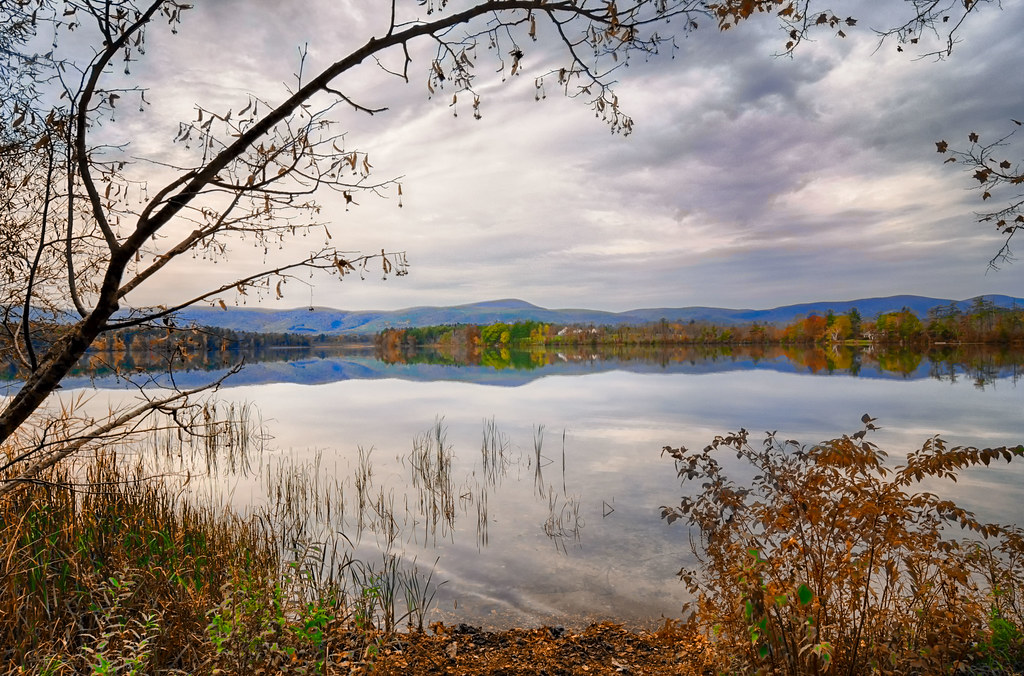
The Twin Lakes of Kenya: Lake Naivasha and Lake Oloidien – Complete Travel Guide
Discover Kenya’s Scenic Twin Lakes in the Great Rift Valley
Located in the spectacular Great Rift Valley of Kenya, Lake Naivasha and nearby Lake Oloidien offer travellers a beautiful combination of freshwater landscapes, dramatic escarpments, wildlife, birdlife and fascinating rural communities.
While Kenya is world-famous for the Maasai Mara, the Great Migration, Amboseli and its spectacular wildlife, the country’s Rift Valley lakes provide a quieter and more relaxing side of a Kenyan safari.
Lake Naivasha is particularly popular for its scenic beauty, abundant birdlife, hippos, boat excursions and proximity to Hell’s Gate National Park. Lake Oloidien, a smaller lake lying southwest of Lake Naivasha, provides an even more peaceful environment and excellent opportunities for nature, photography and bird watching.
Together, these destinations make an excellent addition to a Kenya safari, self-drive adventure or Great Rift Valley road trip.
Whether you are travelling from Nairobi to the Maasai Mara, exploring Kenya by 4×4, or looking for a relaxing stop between safari destinations, the lakes deserve a place on your itinerary.
Where Are the Twin Lakes Located?
Lake Naivasha is situated in Kenya’s Great Rift Valley, approximately 90 kilometres northwest of Nairobi.
Lake Oloidien lies southwest of Lake Naivasha, close to the town of Naivasha and the wider Lake Naivasha ecosystem.
The area is surrounded by spectacular Rift Valley scenery, including volcanic hills, escarpments, agricultural land and open grasslands.
Naivasha town serves as the main gateway to both lakes and provides a convenient base for exploring the surrounding attractions.
The location also makes the lakes easy to combine with several major Kenyan destinations, including:
- Hell’s Gate National Park
- Mount Longonot National Park
- Lake Nakuru National Park
- Maasai Mara National Reserve
- Nairobi National Park
- Aberdare National Park
Why Are Lake Naivasha and Lake Oloidien Special?
The two lakes provide an interesting contrast.
Lake Naivasha
Lake Naivasha is the larger and better-known destination. Its freshwater environment supports a remarkable variety of bird species and attracts hippos that can often be seen in and around the water.
The lake is surrounded by acacia woodland, flower farms, agricultural land and spectacular Rift Valley scenery.
Lake Oloidien
Lake Oloidien is smaller and generally quieter than Lake Naivasha.
Its peaceful setting makes it particularly attractive to travellers who want to escape the busier tourist areas and enjoy bird watching, photography and scenic views.
The lake is also part of the broader ecological system of the Naivasha basin.
Together, the lakes provide an excellent opportunity to experience Kenya beyond the traditional Big Five safari.
The Formation of the Lakes
Lake Naivasha and Lake Oloidien are part of Kenya’s Great Rift Valley, a vast geological depression extending through eastern Africa.
Their landscapes have been shaped over thousands of years by geological activity, volcanic processes and changing water systems.
Lake Naivasha is a freshwater lake despite having no obvious surface outlet, while Lake Oloidien is a smaller lake associated with the Naivasha basin.
The surrounding volcanic landscape is evidence of the powerful geological forces that shaped the Rift Valley.
This dramatic setting is one of the reasons the region is so popular with photographers and nature lovers.
Things to Do at Lake Naivasha and Lake Oloidien
There are plenty of activities for travellers visiting the Twin Lakes of Kenya.
1. Take a Boat Ride on Lake Naivasha
A boat ride is one of the most popular experiences at Lake Naivasha.
Travelling across the lake provides an opportunity to see hippos in the water, observe birds along the shoreline and enjoy views of the surrounding hills.
Depending on the excursion, boat trips may also visit areas with large concentrations of waterbirds.
Early morning and late afternoon are particularly attractive times for boat excursions because of the softer light and cooler temperatures.
Boat prices vary according to the operator, duration, group size and type of boat, so travellers should confirm the current rate before booking.
2. Go Bird Watching
Lake Naivasha is one of Kenya’s most rewarding destinations for bird lovers.
The lake and surrounding wetlands support numerous species, including:
- Fish eagles
- Kingfishers
- Herons
- Egrets
- Cormorants
- Pelicans
- Weavers
- Darters
- Ibis
- Flamingos in suitable areas and seasons
Lake Oloidien can also provide excellent bird-watching opportunities.
A pair of binoculars and a good camera are highly recommended.
3. See Hippos
Hippos are among the most recognizable animals around Lake Naivasha.
They spend much of the day in the water and can sometimes be seen close to the shoreline.
Although they may appear calm, hippos are wild and potentially dangerous animals. Visitors should never approach them on foot or attempt to get close without a qualified guide.
Boat excursions should always follow the instructions of the boat operator.
4. Explore Crescent Island
Crescent Island is one of the most interesting attractions on Lake Naivasha.
The wildlife sanctuary is known for walking safaris where visitors can explore the landscape on foot with wildlife nearby.
Depending on the season and conditions, visitors may encounter giraffes, zebras, wildebeest, gazelles and other plains animals.
Walking among wildlife provides a completely different experience from a traditional vehicle safari.
5. Visit Hell’s Gate National Park
Hell’s Gate National Park is located close to Lake Naivasha and is one of the easiest parks in Kenya to combine with a lake visit.
The park is famous for its dramatic cliffs, gorges, volcanic landscapes and wildlife.
Unlike many Kenyan national parks, Hell’s Gate allows certain activities such as cycling and walking in designated areas with appropriate guidance and conditions.
Visitors may encounter zebras, giraffes, buffaloes, antelopes and numerous bird species.
The park’s spectacular scenery has also made it a popular destination for adventure travellers and photographers.
6. Go Cycling in Hell’s Gate
Cycling is one of the signature experiences associated with Hell’s Gate.
Riding through the park allows travellers to experience the landscape at a much slower pace than a conventional game drive.
The combination of cliffs, grasslands, wildlife and volcanic formations makes the experience memorable.
Visitors should follow park regulations and local safety advice, particularly in areas where large wildlife is present.
7. Visit Mount Longonot
Travellers looking for a more demanding adventure can add Mount Longonot National Park to their itinerary.
Mount Longonot is a dormant stratovolcano rising dramatically from the Rift Valley floor.
The mountain offers hiking opportunities and impressive views across the surrounding landscape.
The hike can be physically demanding, so travellers should allow sufficient time and carry adequate water, sun protection and suitable hiking footwear.
8. Enjoy Photography
The Lake Naivasha and Lake Oloidien region is a dream destination for photographers.
The landscape combines:
- Rift Valley escarpments
- Volcanic mountains
- Freshwater lakes
- Wildlife
- Birds
- Fishing boats
- Acacia trees
- Rural communities
- Dramatic African skies
Sunrise and sunset can produce particularly beautiful conditions for landscape photography.
9. Experience Local Culture
The communities surrounding Naivasha are closely connected to agriculture, fishing, tourism and other economic activities.
A guided community experience can provide insight into local livelihoods, farming, food, traditions and everyday life.
Visitors should always use responsible tourism practices and respect local customs when photographing people or visiting communities.
10. Relax by the Lake
Not every safari day needs to be filled with activities.
The peaceful atmosphere around Lake Naivasha and Lake Oloidien makes the region ideal for relaxing after several days of game drives.
Enjoy a lakeside meal, watch birds, take photographs or simply appreciate the Rift Valley scenery.
Combining the Twin Lakes with a Kenya Safari
One of the greatest advantages of visiting Lake Naivasha and Lake Oloidien is their strategic location.
They can easily be included in a longer Kenya safari.
A popular route is:
Nairobi → Lake Naivasha → Hell’s Gate → Lake Nakuru → Maasai Mara
Another option is:
Nairobi → Lake Naivasha → Lake Oloidien → Lake Nakuru → Maasai Mara → Nairobi
For self-drive travellers, the region is particularly convenient because it provides a natural break between Nairobi and Kenya’s major western safari destinations.
How to Reach Lake Naivasha and Lake Oloidien
From Nairobi
Lake Naivasha is approximately 90 kilometres from Nairobi.
The journey generally takes around 2–3 hours depending on traffic, road conditions and stops along the way.
The route follows the Nairobi–Nakuru highway through the spectacular Great Rift Valley.
The descent into the Rift Valley provides some excellent viewpoints and photography opportunities.
From Naivasha Town
Naivasha town is the main service centre for travellers visiting the lakes.
From town, visitors can arrange boat excursions, accommodation, private transfers and trips to nearby attractions.
Lake Oloidien is also accessible from the Naivasha area.
From Lake Nakuru
Travellers combining Lake Naivasha with Lake Nakuru can continue north through the Rift Valley.
This makes the two lakes an excellent stopover before or after visiting Lake Nakuru National Park.
From Maasai Mara
Travellers travelling between Naivasha and Maasai Mara can incorporate the lake into a wider safari route.
The journey between Naivasha and the Mara is longer than the Nairobi–Naivasha section, so travellers should allow sufficient time for the drive.
A 4×4 safari vehicle is recommended for travellers planning to combine the lakes with the Maasai Mara and other destinations.
Best Time to Visit Lake Naivasha and Lake Oloidien
The Twin Lakes can be visited throughout the year.
However, different seasons offer different experiences.
June to October
This is generally one of the best periods for a Kenya safari.
The weather is often relatively dry, making it convenient for road travel, hiking, wildlife viewing and photography.
It is also an excellent period for combining Lake Naivasha with the Maasai Mara and experiencing the broader Kenya safari season.
November to December
The short rains can bring greener landscapes and dramatic skies.
Although showers may occur, they do not necessarily prevent visitors from enjoying the lakes.
This can also be a rewarding period for photographers.
January to February
The early-year dry period can provide excellent conditions for sightseeing, bird watching and road travel.
The landscapes can be particularly attractive after the rains.
March to May
The long rains bring greener vegetation and occasional heavy showers.
Travellers visiting during this period should be prepared for muddy conditions on some secondary roads and hiking routes.
However, fewer visitors and lush scenery can make this an appealing period for travellers who prefer quieter destinations.
Where to Stay Around the Twin Lakes
There is a wide range of accommodation around Lake Naivasha.
Naivasha Town
Naivasha offers hotels, lodges, campsites, guesthouses and self-catering accommodation.
It is a convenient choice for travellers who want access to restaurants, fuel stations, shops and other services.
Lake Naivasha Lodges and Resorts
Several properties around the lake offer a more immersive experience.
These are ideal for travellers looking for peaceful surroundings, lake views, gardens and opportunities to observe wildlife and birds.
Camping
Camping is another excellent option for adventurous travellers.
A number of campsites and safari properties around Naivasha cater to travellers with tents and camping vehicles.
For self-drive visitors, camping can make the Twin Lakes a particularly affordable and flexible stop.
Accommodation Near Lake Oloidien
Accommodation around Lake Oloidien tends to provide a quieter atmosphere.
It is a good choice for travellers looking for peace, nature and a less commercial lakeside experience.
How Many Days Do You Need?
One Day
A day trip can include:
- Drive from Nairobi
- Great Rift Valley viewpoint
- Lake Naivasha boat ride
- Lunch
- Hell’s Gate National Park
- Return or overnight in Naivasha
Two Days
Two days allow a more relaxed experience.
A possible itinerary is:
Day 1: Nairobi → Great Rift Valley → Lake Naivasha → boat ride → overnight
Day 2: Hell’s Gate or Lake Oloidien → Naivasha → continue to Lake Nakuru or return to Nairobi
Three Days
Three days allow travellers to combine the lakes with Lake Nakuru National Park or begin a longer journey toward the Maasai Mara.
Lake Naivasha and Lake Oloidien Self-Drive
The Twin Lakes are particularly suitable for Kenya self-drive safaris.
A reliable 4×4 allows travellers to explore the Rift Valley at their own pace while stopping at viewpoints, attractions and accommodation along the way.
A popular self-drive route is:
Nairobi → Lake Naivasha → Hell’s Gate → Lake Nakuru → Maasai Mara
For a longer Kenya adventure, travellers can continue from the Mara toward western Kenya or return to Nairobi.
A well-equipped Toyota Land Cruiser or another capable 4×4 is recommended for longer safari routes, particularly when travelling beyond the main highways.
Before travelling, self-drive visitors should check current park regulations, road conditions, accommodation availability and vehicle requirements.
Practical Tips for Visiting the Twin Lakes
Carry Sun Protection
The Rift Valley can be sunny and warm during the day. Bring sunscreen, sunglasses and a hat.
Bring Binoculars
The lakes are excellent bird-watching destinations.
Carry a Camera
The combination of wildlife, water and Rift Valley scenery provides excellent photography opportunities.
Wear Comfortable Shoes
Good walking shoes are useful for Hell’s Gate, Crescent Island and other walking activities.
Respect Wildlife
Never approach wild animals or attempt to feed them.
Use Qualified Guides
For boat rides, walking safaris and other activities, use experienced local guides and licensed operators.
Allow Extra Driving Time
Kenya’s road conditions and traffic can vary significantly. Build flexibility into your self-drive itinerary.
Frequently Asked Questions About the Twin Lakes of Kenya
What are the Twin Lakes of Kenya?
Lake Naivasha and Lake Oloidien are two closely associated lakes in Kenya’s Great Rift Valley. They are popular for scenery, bird watching, boat trips, wildlife and outdoor activities.
Are Lake Naivasha and Lake Oloidien worth visiting?
Yes. They are excellent destinations for travellers interested in nature, photography, birdlife, wildlife and relaxing lakeside experiences.
How far is Lake Naivasha from Nairobi?
Lake Naivasha is approximately 90 kilometres from Nairobi and usually takes around 2–3 hours by road, depending on traffic and stops.
Can I see hippos at Lake Naivasha?
Yes. Hippos are commonly associated with Lake Naivasha and can often be seen during boat excursions or around parts of the shoreline.
Can I take a boat ride on Lake Naivasha?
Yes. Boat trips are among the most popular activities on Lake Naivasha.
Can I combine Lake Naivasha with the Maasai Mara?
Absolutely. Lake Naivasha is commonly included in itineraries linking Nairobi, Lake Nakuru and the Maasai Mara.
Can I visit Hell’s Gate from Lake Naivasha?
Yes. Hell’s Gate National Park is very close to Lake Naivasha and can easily be visited as a day excursion.
Can I visit the lakes on a Kenya self-drive safari?
Yes. The Naivasha area is one of the more convenient destinations for self-drive travellers, particularly when travelling between Nairobi and Kenya’s western safari destinations.
What is the best time to visit Lake Naivasha?
June to October and January to February are generally favourable for outdoor activities and road travel, while the rainy seasons offer greener scenery and fewer visitors.
How many days should I spend around Lake Naivasha?
One day is enough for a highlights visit, but two nights allow travellers to experience Lake Naivasha, Lake Oloidien, Hell’s Gate and nearby attractions at a more relaxed pace.
Explore Kenya with Pendo La Africa Safaris
The Twin Lakes of Lake Naivasha and Lake Oloidien provide an excellent introduction to Kenya’s Great Rift Valley.
From peaceful boat rides and spectacular birdlife to hippos, walking safaris, volcanic landscapes and nearby national parks, this region offers a refreshing complement to Kenya’s traditional wildlife destinations.
At Self drive in Kenya, we can help you design a tailor-made Kenya safari combining the Twin Lakes with the Maasai Mara, Lake Nakuru, Amboseli, Tsavo, Samburu and other destinations across Kenya.
We also arrange Kenya 4×4 self-drive car rental for travellers who want the freedom to explore Kenya independently.
Whether you need a fully equipped Toyota Land Cruiser, a rooftop-tent camping vehicle, a one-way rental or a complete self-drive safari itinerary, our team can help you plan a reliable and memorable journey.
Plan Your Kenya Self-Drive Adventure
Combine Lake Naivasha and Lake Oloidien with Hell’s Gate, Lake Nakuru and the Maasai Mara for an unforgettable Kenya road trip.
Contact Self drive in Kenya today for Kenya 4×4 rental, self-drive safari planning and tailor-made Kenya safari arrangements.