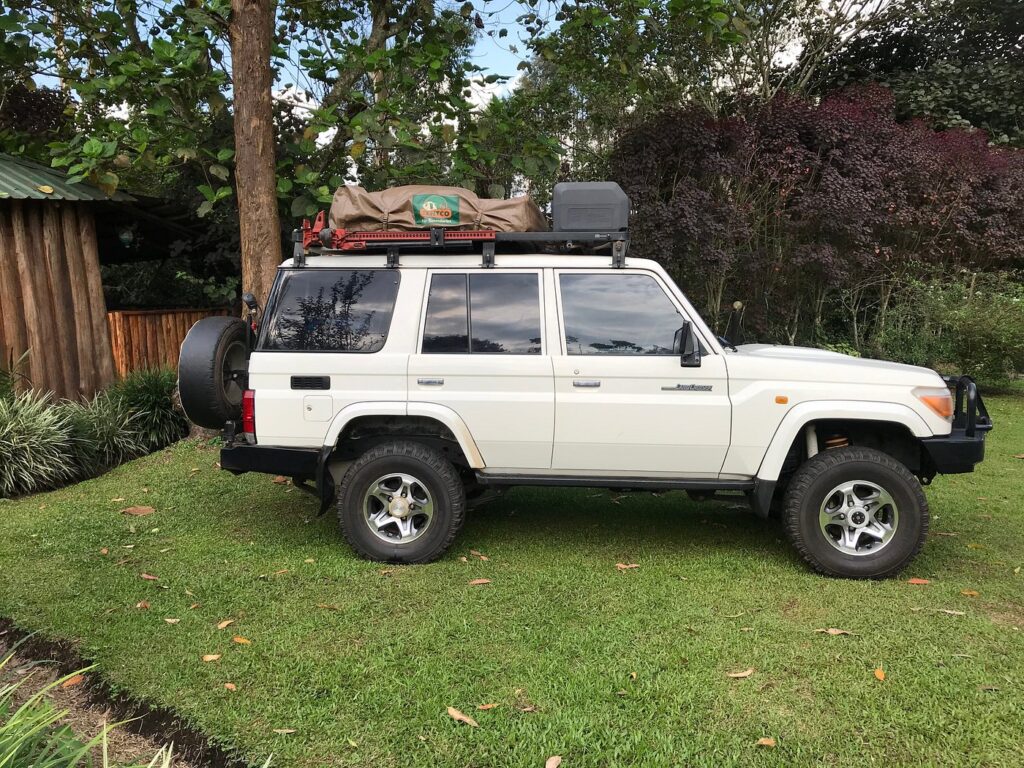
7 Days Kenya Wildlife Safari and Maasai Cultural Experience
Overview: Kenya Wildlife Safari and Maasai Cultural Experience
Discover the beauty, wildlife, and cultural heritage of Kenya on this unforgettable 7-day Kenya wildlife safari and Maasai cultural experience. This journey combines exciting game drives in the world-famous Maasai Mara National Reserve and Amboseli National Park with opportunities to learn about Maasai traditions, local livelihoods, and the relationship between communities and wildlife conservation.
Kenya is one of Africa’s leading safari destinations, known for its extraordinary wildlife, expansive savannahs, dramatic landscapes, and rich cultural diversity. Beyond the famous wildlife reserves, the country offers opportunities to meet local communities, explore traditional crafts, learn about pastoral lifestyles, and understand how cultural heritage continues to shape life in modern Kenya.
The Maasai are among Kenya’s best-known pastoral communities, with a distinctive cultural heritage connected to livestock keeping, family traditions, beadwork, oral history, and community identity. Through a respectful, community-led cultural visit, travellers can learn about these traditions directly from participating community members.
This seven-day itinerary combines wildlife viewing in the Maasai Mara, a scenic journey through the Great Rift Valley, a visit to Lake Naivasha, and the remarkable landscapes of Amboseli, where elephants roam beneath the snow-capped summit of Mount Kilimanjaro when weather conditions permit.
Whether you are travelling as a couple, family, photographer, nature enthusiast, or cultural explorer, this Kenya safari offers a balanced introduction to the country’s wildlife and people.
Highlights of the 7-Day Kenya Safari
- Explore the wildlife-rich Maasai Mara National Reserve.
- Enjoy game drives in search of lions, elephants, giraffes, zebras, and other wildlife.
- Experience a locally organised Maasai cultural visit.
- Learn about traditional beadwork, music, dance, storytelling, and pastoral heritage.
- Discover the landscapes of Kenya’s Great Rift Valley.
- Enjoy a nature experience around Lake Naivasha.
- Explore Amboseli National Park, famous for its elephants and views of Mount Kilimanjaro.
- Learn about the relationship between wildlife conservation, tourism, and community livelihoods.
- Travel through Kenya’s scenic countryside with a professional safari guide.
Detailed 7-Day Kenya Wildlife and Cultural Itinerary
Day 1: Arrival in Nairobi – Welcome to Kenya
Arrive at Jomo Kenyatta International Airport in Nairobi, where your safari representative will welcome you and transfer you to your hotel.
Depending on your arrival time, enjoy a short introduction to Kenya’s capital. Nairobi combines modern city life with a distinctive connection to nature, culture, and regional history.
If time permits, visit a local craft market or cultural centre to discover Kenyan artwork, beadwork, textiles, carvings, and handmade souvenirs. You may also sample Kenyan cuisine and learn about the country’s diverse communities and food traditions.
Travellers arriving early may consider visiting the Nairobi National Museum or another city attraction, subject to opening hours and the day’s schedule.
In the evening, meet your safari guide for a briefing about the coming journey, including game drives, cultural visits, road transfers, and wildlife-viewing expectations.
Accommodation: Hotel in Nairobi.
Meals: According to your package and arrival time.
Day 2: Nairobi to Maasai Mara – Journey to Kenya’s Famous Wildlife Reserve
After breakfast, depart Nairobi and travel towards the Maasai Mara National Reserve, one of Africa’s most celebrated wildlife destinations.
The journey takes several hours, depending on your accommodation, road conditions, traffic, and the route used. Along the way, enjoy views of the Great Rift Valley, rolling hills, rural settlements, and open landscapes.
Arrive in the Maasai Mara region around lunchtime, depending on your departure time and travel conditions. Check in at your lodge or tented camp and enjoy lunch before heading out for an afternoon game drive.
The Maasai Mara supports an impressive variety of wildlife, including lions, elephants, buffaloes, giraffes, zebras, wildebeest, hyenas, and numerous antelope species. Cheetahs and leopards may also be seen, although sightings can never be guaranteed.
As the afternoon progresses, your guide will help you look for animals and explain their behaviour, habitat, and role in the ecosystem.
Return to your accommodation for dinner and an overnight stay in the Mara region.
Accommodation: Lodge or tented camp near or within the reserve, according to your booking.
Meals: Lunch and dinner, with breakfast depending on the package.
Day 3: Maasai Mara Wildlife Safari and Maasai Cultural Experience
Spend the day exploring the Maasai Mara through morning and afternoon game drives, with time dedicated to learning about local cultural heritage.
Begin with an early-morning game drive when wildlife may be particularly active. Search for predators returning from the night’s hunt, grazing herbivores, elephants, and the many bird species that inhabit the savannah.
Depending on your interests and the wildlife sightings, your guide may explore different parts of the reserve or conservancy, following the applicable access rules and your booked activities.
After lunch and some relaxation, arrange a visit to a Maasai community or cultural programme that welcomes visitors.
Maasai Cultural Experience
A locally organised cultural visit offers an opportunity to learn about the traditions and contemporary lives of Maasai community members.
Activities may include:
Traditional music and dance: Learn about the role of songs, rhythmic movement, and group performances in selected celebrations and community events.
Maasai beadwork and crafts: Discover the meaning, techniques, colours, and designs associated with traditional beadwork and locally made crafts.
Pastoral heritage: Learn about livestock keeping and the historical importance of cattle in many Maasai communities, including their roles in livelihoods, social relationships, and cultural identity.
Homes and daily life: Where the host community invites visitors to participate, learn about traditional homesteads, household activities, and changes in rural life.
Community conservation: Discuss how some communities work with conservancies, tourism operators, and conservation organisations to support wildlife protection and local livelihoods.
Cultural practices vary among communities and individuals, so the visit should be guided by the host community rather than presented as a uniform representation of all Maasai people.
Choose a programme with clear local participation and transparent arrangements for visitor fees. Ask permission before photographing people and respect any restrictions set by your hosts.
Return to your lodge or camp for dinner.
Accommodation: Lodge or tented camp in the Maasai Mara region.
Meals: Breakfast, lunch, and dinner according to your package.
Day 4: Maasai Mara to Lake Naivasha – Great Rift Valley Landscapes
After breakfast, leave the Maasai Mara and travel towards Lake Naivasha, a freshwater lake in Kenya’s Great Rift Valley.
Enjoy the changing scenery as open savannah gives way to agricultural areas, escarpments, and lakeside landscapes. The transfer can be lengthy, so an early departure is recommended.
After arriving and checking in, enjoy lunch and a relaxing afternoon.
Depending on your schedule, you may take an optional boat excursion on Lake Naivasha. The lake is known for its birdlife, and visitors may see fish eagles, pelicans, cormorants, and other waterbirds. Hippos may also be observed from a safe distance under the guidance of an authorised operator.
Another option is to visit Crescent Island, where guided walking safaris may be available among wildlife such as zebras, giraffes, and antelope. Activities depend on access arrangements, conditions, and availability.
Lake Naivasha provides a quieter contrast to the open savannah of the Maasai Mara and offers opportunities to appreciate Kenya’s freshwater ecosystems and birdlife.
Return to your accommodation for dinner and an overnight stay.
Accommodation: Lodge or hotel near Lake Naivasha.
Meals: Breakfast, lunch, and dinner according to your package.
Day 5: Lake Naivasha to Amboseli National Park – Journey to Elephant Country
After breakfast, depart for Amboseli National Park in southern Kenya.
The journey crosses varied landscapes, from the Great Rift Valley towards the plains surrounding Amboseli. Travel time depends on your route, road conditions, traffic, and stops, so allow much of the day for the transfer.
Arrive at your lodge or camp, check in, and enjoy lunch if the schedule allows.
In the afternoon, head out for a game drive in Amboseli National Park. The park is especially well known for its elephant populations and expansive landscapes, with Mount Kilimanjaro providing a spectacular backdrop when clouds permit clear views.
Amboseli’s wetlands, seasonal swamps, open plains, and acacia woodland attract elephants, buffaloes, zebras, wildebeest, giraffes, and a variety of birds. Predators may also be encountered.
Your guide will explain how the ecosystem depends on water flowing from the Kilimanjaro region and how wildlife uses the park’s different habitats.
Return to your accommodation for dinner and an overnight stay.
Accommodation: Lodge or tented camp near or within Amboseli, depending on your booking.
Meals: Breakfast, lunch, and dinner according to your package.
Day 6: Amboseli National Park – Wildlife and Local Cultural Heritage
Enjoy a full day exploring Amboseli National Park and the surrounding region.
Begin with an early-morning game drive, when the light can be excellent for photography and Mount Kilimanjaro may be visible before cloud cover develops.
Watch elephant herds moving across the plains and wetlands, and look for other wildlife as your guide explains animal behaviour, feeding patterns, and the importance of protected habitats.
Return to your lodge for breakfast or lunch according to your planned safari schedule. Later, enjoy another game drive or a pre-arranged community visit outside the national park.
Cultural Learning Around Amboseli
Where a suitable community programme is available, you can learn about Maasai pastoral traditions, beadwork, livestock keeping, and the relationship between local livelihoods and the surrounding ecosystem.
Community-led experiences may include discussions about traditional knowledge, local crafts, conservation challenges, and how tourism contributes to selected community initiatives.
Because access arrangements differ between communities and conservation areas, confirm the location and activities with your safari operator before travelling.
The cultural visit should complement the wildlife safari rather than replace the voices of local residents with generalised descriptions of their traditions.
Return to your accommodation for dinner and a final night in the Amboseli region.
Accommodation: Lodge or tented camp near or within Amboseli.
Meals: Breakfast, lunch, and dinner according to your package.
Day 7: Amboseli to Nairobi – Departure
After breakfast, check out and begin the journey back to Nairobi.
Depending on your departure time and road conditions, you may have an opportunity to stop for refreshments or enjoy a final look at the Kenyan countryside.
Arrive in Nairobi and transfer to Jomo Kenyatta International Airport for your onward flight.
If your international flight departs early in the day, the itinerary may need to be adjusted by travelling back to Nairobi the previous evening or adding an extra night.
Your seven-day Kenya wildlife and Maasai cultural experience concludes with memories of the Maasai Mara’s wildlife, the Great Rift Valley’s scenery, Amboseli’s elephants, and the cultural encounters arranged during your journey.
What Makes This Kenya Safari Special?
Wildlife Encounters in the Maasai Mara
The Maasai Mara is a major destination for African wildlife viewing. Its open grasslands and diverse habitats support large populations of herbivores and predators, making it a rewarding destination for game drives.
The annual wildebeest migration passes through the greater Mara-Serengeti ecosystem seasonally. The timing and location of herds vary from year to year, so migration sightings cannot be guaranteed.
Maasai Cultural Heritage
The cultural component provides an opportunity to learn directly from participating community members about their heritage, crafts, livelihoods, and contemporary experiences.
A respectful visit recognises that cultural traditions evolve and that individual Maasai communities may have different practices and priorities.
Amboseli’s Elephants and Mountain Scenery
Amboseli is renowned for elephant viewing and dramatic views of Mount Kilimanjaro. The park’s wetlands and dry plains create a distinctive wildlife environment, particularly appealing to photographers and nature enthusiasts.
Lake Naivasha and the Great Rift Valley
The Lake Naivasha region adds freshwater scenery, birdwatching, and optional nature activities to the itinerary, providing a contrast to the savannah landscapes of the two national parks.
Responsible Community-Based Tourism
Well-organised cultural visits can create income opportunities for local participants and support community initiatives. Choose programmes that explain how fees are used and that allow residents to decide what aspects of their culture they wish to share.
Best Time for a Kenya Wildlife and Maasai Cultural Safari
Kenya offers wildlife viewing throughout the year, although weather, road conditions, animal movements, and visitor numbers vary by season.
June to October: This is a popular period for wildlife safaris, with generally drier conditions in many regions. The Maasai Mara can offer excellent wildlife viewing, and the wildebeest migration may be present in the greater Mara ecosystem during part of this period.
January to February: These months are often favourable for safari travel, with relatively dry conditions in many areas. Wildlife viewing can be rewarding, although local conditions vary.
March to May: The long rains can bring greener landscapes and more challenging road conditions. Some camps or activities may operate differently during this period.
November to December: The short rains may create fresh vegetation and attractive scenery, although showers can affect travel and wildlife viewing.
The wildebeest migration follows natural movements rather than a fixed timetable. Cultural visits also depend on the participating community’s availability, so confirm all arrangements before booking.
What to Pack for the Safari
For a comfortable seven-day Kenya wildlife and cultural safari, consider packing:
- Lightweight, neutral-coloured clothing for game drives.
- A warm layer for early mornings and cool evenings.
- Comfortable walking shoes.
- A hat, sunglasses, and sunscreen.
- Insect repellent.
- Binoculars and a camera.
- A reusable water bottle.
- Personal medication and basic travel essentials.
- A small daypack for excursions.
- Cash for personal purchases, tips, and optional activities.
- Modest, comfortable clothing for cultural visits.
Follow your guide’s instructions around wildlife, remain inside the vehicle where required, and never approach wild animals on foot unless participating in an authorised activity with a qualified guide.
What’s Included in the 7-Day Kenya Safari?
The package can be customised according to your budget, travel style, and accommodation preferences.
A typical private safari package may include:
- Airport pickup and drop-off in Nairobi.
- Private safari vehicle and professional driver-guide.
- Six nights of accommodation, depending on the final itinerary.
- Meals specified in the booking.
- Game drives in the Maasai Mara and Amboseli.
- Park and reserve entry fees, where explicitly included.
- A locally organised Maasai cultural experience.
- Transfers between Nairobi, the Maasai Mara, Lake Naivasha, and Amboseli.
- Selected activities at Lake Naivasha, if included in the package.
What’s Usually Excluded?
Unless stated in your quotation, the following may be excluded:
- International flights.
- Kenya visa or Electronic Travel Authorisation costs, where applicable.
- Travel insurance.
- Personal expenses and gratuities.
- Optional boat trips and walking excursions.
- Additional cultural activities.
- Drinks and meals not specified in the package.
- Accommodation upgrades or additional nights.
- Any park fees or activities not explicitly listed in the final quotation.
Important: Confirm whether park fees, cultural visits, optional excursions, and all meals are included before making a reservation.
Frequently Asked Questions
1. Can I combine a Kenya wildlife safari with a Maasai cultural experience in seven days?
Yes. Seven days is sufficient to combine wildlife viewing in the Maasai Mara and Amboseli with a cultural visit and time around Lake Naivasha. The itinerary is best suited to travellers comfortable with several road transfers.
2. Is the Maasai cultural experience similar to the Batwa experience in Rwanda?
Both offer opportunities to learn about Indigenous or local cultural heritage, but they are not the same experience. The Batwa have a distinct history associated with the forests of the Great Lakes region, while Maasai communities have diverse pastoral traditions and histories across parts of East Africa. The Kenya itinerary should focus on the communities and cultural programmes actually available at the destinations visited.
3. Where can I visit a Maasai community in Kenya?
Cultural visits can be arranged in parts of the Maasai Mara region and other areas where community-led tourism programmes operate. Your operator should confirm the host community, location, activities, and fee arrangements before your visit.
4. Can I see the Big Five in Kenya?
The Maasai Mara and Amboseli support several of the animals commonly known as the Big Five. However, seeing all five—lion, leopard, elephant, buffalo, and rhinoceros—during a seven-day safari is not guaranteed. Sightings depend on animal movements, habitat, time spent in each area, and luck.
5. Can I see the Great Wildebeest Migration during this safari?
Possibly, depending on your travel dates. Wildebeest move between the Serengeti ecosystem in Tanzania and the Maasai Mara in Kenya. Their arrival, departure, and river-crossing locations vary each year, so travel dates should be planned around current seasonal information rather than guaranteed sightings.
6. Is this safari suitable for families?
Yes. The itinerary can be adapted for families with children by selecting suitable accommodation, adjusting the length of game drives, and including age-appropriate cultural activities. Check the age limits for any optional activities before booking.
7. Is the safari available as a self-drive tour?
A self-drive version may be possible, depending on your experience, vehicle choice, route, and the access requirements of each reserve and conservancy. Some cultural visits require advance arrangements with local hosts. A private driver-guide is a convenient option for visitors who prefer guided wildlife viewing and less driving.
8. Can I customise the itinerary?
Yes. You can adjust the accommodation standard, add more time in the Maasai Mara, change the cultural activities, or replace Lake Naivasha with another destination. Travellers seeking a slower-paced trip may prefer to concentrate on two regions rather than visit all three.
9. Does cultural tourism benefit Maasai communities?
It can, particularly when visits are organised transparently and community members are directly involved in setting activities and receiving payments. Ask your operator about local participation, payment arrangements, and the benefits provided to the host community.
Book Your 7-Day Kenya Wildlife and Maasai Cultural Safari
Discover Kenya through a journey that brings together wildlife conservation, scenic landscapes, and meaningful cultural learning. From the open plains of the Maasai Mara to the elephant-rich landscapes of Amboseli, this seven-day safari provides a rewarding introduction to Kenya’s natural and cultural heritage.
Contact Self drive in Kenya to customise your Kenya wildlife and Maasai cultural experience. Whether you prefer a private guided safari, comfortable lodge accommodation, a family holiday, or a more adventurous itinerary, your trip can be tailored to your travel dates, budget, and interests.
Experience Kenya beyond the game drives — discover its wildlife, landscapes, traditions, and people.