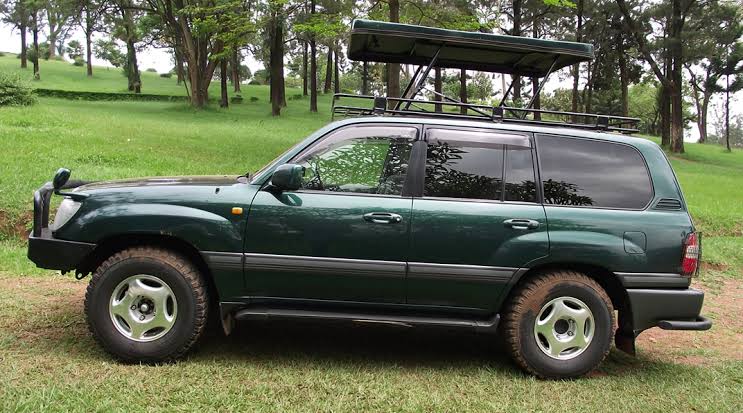
10-Day Kenya Wildlife Self-Drive Safari: Masai Mara, Amboseli, Nakuru & Tsavo
Explore Kenya on your own terms with a 10-day wildlife self-drive safari through some of East Africa’s most famous national parks and reserves. Drive a 4×4 from Nairobi to Lake Nakuru, the Masai Mara, Amboseli and Tsavo while experiencing elephants, lions, giraffes, zebras, buffalo and other iconic African wildlife.
Kenya is one of Africa’s most rewarding destinations for an independent self-drive wildlife safari. The country’s extensive network of national parks and reserves makes it possible to create a flexible road-trip itinerary connecting the Great Rift Valley, the Masai Mara, Mount Kenya region, Amboseli and the Tsavo ecosystem.
This 10-day Kenya wildlife self-drive safari is designed for travellers who want the freedom to drive themselves between destinations while enjoying guided game drives, wildlife viewing and optional camping along the way.
A suitable Kenya 4×4 rental gives you the flexibility to explore at your own pace, stop at viewpoints, spend longer watching wildlife and choose accommodation ranging from safari lodges and tented camps to designated campsites.
10-Day Kenya Wildlife Self-Drive Safari at a Glance
Route: Nairobi → Lake Nakuru → Masai Mara → Nairobi → Amboseli → Tsavo West → Tsavo East → Nairobi
Duration: 10 days / 9 nights
Travel style: Self-drive safari
Main highlights:
- Nairobi
- Lake Nakuru National Park
- Masai Mara National Reserve
- Great Rift Valley
- Amboseli National Park
- Mount Kilimanjaro views
- Tsavo West National Park
- Tsavo East National Park
- Lions, elephants, giraffes and buffalo
- Zebra and wildebeest
- Self-drive game viewing
- Optional rooftop-tent camping
The route can be modified depending on your interests, arrival airport and preferred number of nights in each park.
Day 1: Arrive in Nairobi – Pick Up Your 4×4
Arrive at Jomo Kenyatta International Airport or another agreed pickup location in Nairobi.
Complete your vehicle handover and receive a briefing about the rental vehicle, driving conditions, insurance and your planned route.
Depending on your arrival time, spend the afternoon exploring Nairobi.
You could visit Nairobi National Park, the Giraffe Centre or simply relax before beginning the safari.
If you are travelling with camping equipment, use the first day to check your rooftop tent, fridge, cooking equipment and other safari gear.
Overnight: Nairobi
Day 2: Nairobi – Lake Nakuru National Park
Leave Nairobi in the morning and drive into Kenya’s Great Rift Valley.
The journey towards Lake Nakuru provides some of the best scenic driving in Kenya, with viewpoints overlooking the Rift Valley along the way.
Continue towards Lake Nakuru National Park, a compact wildlife destination known for its landscapes, rhinos and diverse wildlife.
Spend the afternoon on your first game drive.
Depending on the season and current conditions, you may see:
- Black and white rhinoceros
- Buffalo
- Zebra
- Giraffe
- Lion
- Leopard
- Waterbuck
- Flamingos and other waterbirds
Lake Nakuru is an excellent first wildlife stop because it allows you to begin your safari without immediately tackling a long cross-country drive.
Overnight: Lake Nakuru area
Day 3: Lake Nakuru – Masai Mara
Wake early and enjoy a final morning game drive before leaving the Lake Nakuru area.
Continue towards the Masai Mara National Reserve, one of Kenya’s most famous wildlife destinations.
The journey takes you through the Great Rift Valley and rural Kenyan landscapes before reaching the Mara ecosystem.
Arrive in the afternoon and, if time permits, enter the reserve for an introductory game drive.
The Masai Mara is famous for its large populations of big cats and herbivores, and it is part of the wider Mara-Serengeti ecosystem.
Overnight: Masai Mara
Day 4: Full-Day Masai Mara Wildlife Safari
Spend a full day exploring the Masai Mara.
This is one of the most important wildlife days of the itinerary.
Start early when temperatures are cooler and wildlife activity can be excellent.
Look for:
Big cats:
Lion, cheetah and leopard.
Large herbivores:
Elephant, buffalo, giraffe, zebra, wildebeest and hippo.
Other wildlife:
Hyena, jackal, warthog, impala, topi and numerous antelope species.
The Mara is particularly famous for the annual Great Migration, when huge numbers of wildebeest and zebra move between Tanzania’s Serengeti and Kenya’s Masai Mara ecosystem.
Migration timing varies each year, so travellers planning specifically around the migration should check current conditions before travelling.
A self-drive safari also allows you to spend more time in areas that interest you rather than following a fixed group-tour schedule.
Overnight: Masai Mara
Day 5: Masai Mara – Nairobi
Enjoy an early morning game drive before leaving the Masai Mara.
Return towards Nairobi, stopping for lunch along the way.
Arrive in Nairobi later in the afternoon.
This overnight in Nairobi breaks up the journey and makes the following drive towards Amboseli more comfortable.
For travellers who prefer fewer hotel changes, the itinerary can be redesigned to reduce time in Nairobi.
Overnight: Nairobi
Day 6: Nairobi – Amboseli National Park
Leave Nairobi and drive south towards Amboseli National Park.
Amboseli is famous for its enormous elephant herds and spectacular views towards Mount Kilimanjaro across the border in Tanzania.
Enter the park and begin an afternoon game drive.
The open plains, wetlands and seasonal lakes provide excellent opportunities for wildlife photography.
Possible sightings include:
- Elephant
- Lion
- Buffalo
- Zebra
- Giraffe
- Wildebeest
- Hyena
- Gazelle
- Warthog
- Numerous bird species
Sunrise and sunset can be particularly impressive, especially when Mount Kilimanjaro is visible.
Overnight: Amboseli
Day 7: Amboseli – Tsavo West National Park
Start the morning with a game drive in Amboseli before driving towards Tsavo West National Park.
Tsavo West is part of the enormous Tsavo ecosystem and offers a different landscape from the Masai Mara and Amboseli.
The scenery includes volcanic landscapes, savannah, rocky hills, woodland and areas of permanent water.
Depending on your route and timing, visit attractions such as Mzima Springs, where clear underground water emerges from the volcanic landscape.
Enjoy an afternoon game drive.
Overnight: Tsavo West
Day 8: Tsavo West – Tsavo East
Spend the morning exploring Tsavo West before continuing towards Tsavo East National Park.
Tsavo is one of Kenya’s largest protected ecosystems, and its huge landscapes provide a very different safari experience from the more compact Masai Mara.
Tsavo East is particularly associated with large elephant populations and expansive wilderness.
The park’s famous red soils can give elephants a distinctive reddish appearance after dust bathing.
Spend the afternoon on a game drive.
Overnight: Tsavo East
Day 9: Tsavo East – Nairobi
Enjoy an early morning game drive before leaving Tsavo East.
Begin your journey back towards Nairobi.
Depending on your departure point and rental agreement, return the vehicle in the afternoon or keep it overnight for a morning airport drop-off.
Spend your final evening in Nairobi.
Overnight: Nairobi
Day 10: Nairobi and Departure
Enjoy breakfast before completing your final preparations.
Return your Kenya 4×4 rental vehicle at the agreed location and transfer to Jomo Kenyatta International Airport for your departure.
Your 10-day Kenya wildlife self-drive safari ends in Nairobi.
Kenya Wildlife Self-Drive Route
Nairobi
↓
Lake Nakuru
Rhinos • Giraffes • Buffalo • Lions
↓
Masai Mara
Lions • Leopards • Cheetahs • Wildebeest • Zebra
↓
Nairobi
↓
Amboseli
Elephants • Kilimanjaro Views • Plains Wildlife
↓
Tsavo West
Volcanic Landscapes • Mzima Springs • Wildlife
↓
Tsavo East
Elephants • Red Soil • Open Wilderness
↓
Nairobi
Best 4×4 for a Kenya Wildlife Self-Drive Safari
A reliable Toyota Land Cruiser Prado, Toyota Land Cruiser 70 Series, Toyota Hilux or similar safari 4×4 is a practical option for this itinerary.
A 4×4 is particularly useful when travelling on unpaved park roads and during wet conditions.
For travellers who want to combine wildlife viewing with camping, a 4×4 with rooftop tent and camping equipment provides additional flexibility.
A typical camping-equipped vehicle can include:
- Rooftop tent
- Mattress
- Sleeping bags
- Fridge or cooler
- Camping table
- Camping chairs
- Cooking equipment
- Gas stove
- Kitchen utensils
- Water containers
- Recovery equipment
- Spare wheel
Vehicle specifications and equipment vary between rental companies, so request a detailed equipment list before booking.
Estimated 10-Day Kenya 4×4 Rental Cost
Rental prices vary according to vehicle type, season, insurance, camping equipment and pickup location.
For planning purposes, a 10-day Kenya self-drive rental might fall approximately within these ranges:
| Vehicle option | Approx. daily rate | 10-day estimate |
|---|---|---|
| RAV4 / similar 4×4 | US$60–90 | US$600–900 |
| Toyota Prado | US$80–120 | US$800–1,200 |
| Toyota Land Cruiser | US$100–150 | US$1,000–1,500 |
| Rooftop-tent 4×4 | US$100–160+ | US$1,000–1,600+ |
These are planning estimates rather than fixed quotations. The final rate depends on your travel dates, vehicle, insurance package, camping equipment, mileage policy and pickup/drop-off arrangements.
Estimated Kenya Wildlife Safari Budget for Two People
A self-drive traveller should budget separately for the vehicle, fuel, accommodation and park-related expenses.
| Expense | Planning estimate |
|---|---|
| 10-day 4×4 rental | US$800–1,500 |
| Fuel | Variable |
| Accommodation | Variable |
| Park entry fees | Variable |
| Camping fees, if applicable | Variable |
| Food | Variable |
| Insurance/excess | According to rental package |
| Optional guided activities | Variable |
The final safari cost can therefore range considerably depending on whether you choose budget camping, mid-range lodges or luxury tented camps.
Kenya Wildlife Self-Drive With Rooftop Tent
For adventurous travellers, a Kenya rooftop-tent safari is an excellent way to travel independently.
You can combine a 4×4 rental with camping equipment and stay at designated campsites along your route.
Camping can make the safari more flexible and may reduce accommodation expenses, although campsite availability and park regulations should always be confirmed before travelling.
A rooftop-tent vehicle is especially useful for travellers who want to spend more time in the national parks and reduce the need to return to major towns every evening.
Kenya Self-Drive Safari With Wildlife Viewing
One of the advantages of driving yourself is flexibility.
You can leave camp early, spend longer at a wildlife sighting, stop for photographs and choose your own pace between destinations.
However, self-drive does not mean ignoring park regulations.
Inside national parks and reserves, drivers should follow:
- Park speed limits
- Designated roads
- Entry and exit times
- Wildlife-viewing rules
- Ranger instructions
- Camping regulations
- Vehicle restrictions
A good rental company should provide a briefing covering these issues before you begin.
When Is the Best Time for a Kenya Wildlife Self-Drive Safari?
Kenya can be visited throughout the year, but wildlife experiences and road conditions vary seasonally.
The Masai Mara is particularly popular during the Great Migration period, although wildlife is present throughout the year.
For a general Kenya wildlife safari, the drier periods can offer convenient game-viewing conditions, while the greener seasons can provide excellent landscapes, birdlife and fewer visitors in some areas.
If the main purpose of your trip is the Great Migration, plan around the expected movement of wildebeest and zebra rather than choosing dates solely based on general weather patterns.
Kenya Wildlife Self-Drive Safari Packing List
For a 10-day safari, consider packing:
- Lightweight clothing
- Warm fleece or jacket
- Comfortable walking shoes
- Hat
- Sunglasses
- Sunscreen
- Insect repellent
- Binoculars
- Camera
- Extra camera batteries
- Power bank
- Reusable water bottle
- Headlamp
- Rain jacket
- Small daypack
- Personal first-aid supplies
- Copies of travel documents
For a camping safari, add appropriate sleeping, cooking and outdoor equipment or confirm what is already supplied with your rental vehicle.
Can I Add Other Kenya Wildlife Destinations?
Yes.
The 10-day itinerary can be modified to include other Kenyan destinations.
Possible additions include:
Samburu National Reserve
Add northern Kenya for a different landscape and a chance to look for species associated with the region’s dry northern ecosystem.
Ol Pejeta Conservancy
A useful addition for travellers interested in rhino conservation and wildlife experiences around the Laikipia region.
Nairobi National Park
An easy addition before or after an international flight.
Lake Naivasha
Useful as a relaxing stop between Nairobi and the Rift Valley parks.
Amboseli
Ideal for travellers who want elephants and views of Mount Kilimanjaro.
Kenya Wildlife Safari and Great Migration
Travellers planning their trip around the Great Migration can modify the itinerary to spend additional nights in the Masai Mara.
The migration is a natural seasonal movement rather than a fixed event with guaranteed dates. The location of wildlife can change from year to year depending on rainfall, pasture and river conditions.
For migration-focused travel, consider reducing the number of destinations and allocating three or four nights to the Masai Mara instead.
Can I Combine Kenya and Tanzania on a Self-Drive Safari?
Yes, but cross-border travel requires additional planning.
If you want to combine Kenya and Tanzania, your rental company must confirm that the vehicle is permitted to cross the international border and provide the necessary documentation and insurance.
A Kenya–Tanzania self-drive route can potentially combine destinations such as:
Nairobi → Amboseli → Arusha → Tarangire → Ngorongoro → Serengeti
Cross-border rental terms should always be confirmed before making the booking.
Why Choose a Kenya Self-Drive Wildlife Safari?
A self-drive safari provides a different style of African travel.
Instead of following a fixed group itinerary, you control the journey between destinations.
You can:
Choose your own pace
Spend longer at wildlife sightings and scenic viewpoints.
Travel independently
Explore Kenya with your own vehicle and schedule.
Combine parks
Create a route connecting the Masai Mara, Nakuru, Amboseli and Tsavo.
Camp along the way
Use a rooftop tent and camping equipment for a more adventurous experience.
Customize the itinerary
Add Samburu, Ol Pejeta, Naivasha or additional nights in the Mara.
Frequently Asked Questions
1. Can I do a Kenya wildlife safari by self-drive?
Yes. Kenya is well suited to independent 4×4 travel, although drivers should understand park regulations, road conditions and wildlife-viewing rules.
2. How many days do I need for a Kenya self-drive safari?
Ten days allows you to combine several major wildlife areas. If you want a slower trip, 12–14 days gives you more time in each destination.
3. What is the best 4×4 for a Kenya safari?
A Toyota Land Cruiser Prado, Land Cruiser 70 Series, Hilux or similar high-clearance 4×4 is suitable for many Kenya safari routes.
4. Can I rent a rooftop-tent vehicle in Kenya?
Yes. Rooftop-tent 4x4s are available from specialist safari rental companies, subject to availability.
5. Can I self-drive in the Masai Mara?
Self-driving is possible under the applicable reserve rules, but travellers must follow designated roads, entry regulations, speed restrictions and wildlife-viewing requirements.
6. Can I see the Big Five on a Kenya self-drive safari?
Kenya has opportunities to see lion, leopard, elephant, buffalo and rhinoceros. However, wildlife sightings are never guaranteed, and the likelihood varies by destination and season.
7. Can I visit Amboseli and Masai Mara on the same trip?
Yes. Amboseli and the Masai Mara can be combined in a longer Kenya self-drive itinerary.
8. Can I camp during a Kenya wildlife safari?
Yes, where designated campsites allow it. A rooftop-tent 4×4 is particularly convenient for independent camping.
9. Is fuel included in Kenya car rental?
Fuel is generally separate from the rental price. Confirm the rental company’s fuel policy before booking.
10. Can I pick up my Kenya rental car at Nairobi airport?
Airport delivery or pickup may be available depending on the rental company. Confirm the exact pickup location and any applicable delivery fee.
11. Can I drive from Kenya to Tanzania with a rental car?
Some rental companies permit cross-border travel, but additional documentation, insurance and fees may apply. Confirm cross-border permission before booking.
12. What does a Kenya 4×4 rental cost for 10 days?
As a planning guide, a 10-day 4×4 rental can range from approximately US$600 to US$1,600+, depending on vehicle category and whether camping equipment is included.
Book Your Kenya Wildlife Self-Drive Safari
Ready to explore Kenya independently?
Rent a reliable 4×4 and discover the Masai Mara, Lake Nakuru, Amboseli and Tsavo on your own schedule.
We can help arrange a Kenya self-drive safari vehicle for your trip, with options ranging from standard 4x4s to fully equipped rooftop-tent camping vehicles.
Tell us:
- Your travel dates
- Number of travellers
- Pickup location
- Drop-off location
- Preferred 4×4
- Whether you need camping equipment
- Whether you want a rooftop tent
- Which national parks you want to visit
- Whether you plan to cross into Tanzania or another country
We can then prepare a personalized Kenya 4×4 rental quotation and self-drive safari route based on your travel dates.
Start Your Kenya Self-Drive Adventure
Book your 4×4, choose your wildlife route and experience Kenya at your own pace.
Kenya 4×4 Rental | Self-Drive Safari | Rooftop Tent Camping | Wildlife Safaris