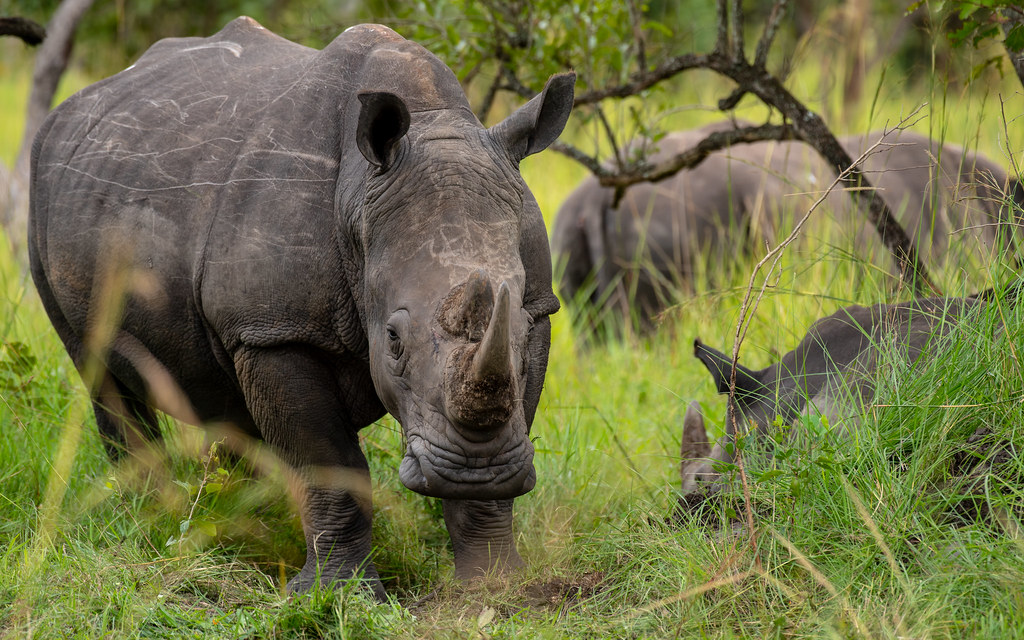
Where to See Rhinos in Kenya on a Self-Drive Safari
Introduction: Discover Rhinos on a Kenya Self-Drive Safari
Kenya is one of Africa’s most rewarding wildlife destinations, offering independent travellers an opportunity to explore savannah plains, mountain landscapes, lakes, forests and protected wildlife areas. The country is famous for its elephants, lions, giraffes, zebras and the Great Migration, but it is also an important destination for rhinoceros conservation.
If you are wondering where to see rhinos in Kenya, three excellent places to begin your search are Ol Pejeta Conservancy, Lake Nakuru National Park and Nairobi National Park. Each offers a different experience, from conservation-focused wildlife viewing in Laikipia to rhino spotting in the Great Rift Valley and a safari against the backdrop of Nairobi’s skyline.
A Kenya self-drive safari gives you the freedom to travel between these destinations at your own pace. With a suitable rental vehicle, advance planning and enough time for game drives, you can explore Kenya’s wildlife areas while enjoying the flexibility of an independent road trip.
Rhinos are endangered and protected, so sightings depend on their movements and the rules of each conservation area. Choosing the right destination and following park guidance can improve your chances of a memorable encounter.
1. Ol Pejeta Conservancy: One of the Best Places to See Rhinos in Kenya
Ol Pejeta Conservancy, located in Laikipia County near Nanyuki, is one of Kenya’s leading wildlife conservation destinations. It is particularly well known for protecting black and white rhinos, making it an excellent choice for travellers whose main goal is rhino watching.
The conservancy combines open grasslands, bushland and riverine habitats with important wildlife protection programmes. Visitors may also encounter elephants, lions, buffaloes, giraffes, zebras, cheetahs and other wildlife during their game drives.
Why visit Ol Pejeta for rhino watching?
Ol Pejeta is especially attractive because it offers opportunities to learn about rhino conservation as well as observe wildlife in a natural setting.
Highlights include:
- Black rhinos and southern white rhinos.
- The protected enclosure that is home to the world’s last two northern white rhinos.
- Guided conservation experiences, subject to advance booking and availability.
- Opportunities to see other members of the Big Five.
- The Sweetwaters Chimpanzee Sanctuary.
- Scenic views towards Mount Kenya and the surrounding highlands.
The northern white rhinos, Najin and Fatu, live in a specially protected enclosure. Visiting them is a managed conservation experience rather than an ordinary self-drive sighting, so arrange the visit directly with Ol Pejeta in advance.
Can you self-drive in Ol Pejeta?
Yes. Ol Pejeta welcomes visitors arriving in their own or rental vehicles, subject to its current regulations and entry requirements. The conservancy has a network of game-viewing tracks, including graded roads suitable for many ordinary vehicles in favourable conditions.
A high-clearance 4×4 is a sensible choice if you plan to explore beyond the main graded roads or travel during wet weather. Always follow local guidance and avoid unsuitable tracks.
For travellers planning a 4×4 car rental in Kenya, Ol Pejeta is an excellent destination to include in a northern Kenya road trip.
2. Lake Nakuru National Park: Rhino Watching in the Great Rift Valley
Lake Nakuru National Park is another excellent destination for travellers hoping to see rhinos in Kenya. Located in the Great Rift Valley, the park combines a scenic alkaline lake with woodland, grassland, rocky viewpoints and protected wildlife habitats.
Lake Nakuru was established as a rhino sanctuary and protects both black and white rhinos. This makes it an attractive destination for a self-drive safari, particularly for travellers following a route from Nairobi towards Nakuru, Lake Naivasha or other parts of the Rift Valley.
What wildlife can you see at Lake Nakuru?
In addition to rhinos, visitors may encounter:
- Lions and leopards.
- Buffaloes and waterbucks.
- Rothschild’s giraffes.
- Zebras and other plains wildlife.
- Baboons and other primates.
- A wide variety of birds, including waterbirds around the lake.
The park’s scenery is another major attraction. Visitors can enjoy views from designated viewpoints such as Baboon Cliff and other authorised stops, subject to access conditions.
Is Lake Nakuru suitable for self-drive?
Lake Nakuru is a practical option for independent travellers who want to explore a national park without travelling as far north as Laikipia. Roads, wildlife-viewing conditions and access can vary with weather, so check current guidance before your visit.
A suitable rental vehicle gives you the flexibility to explore the park’s designated routes and combine the visit with nearby destinations.
If your main priority is seeing rhinos while travelling through Kenya’s Rift Valley, Lake Nakuru deserves a place on your itinerary.
3. Nairobi National Park: See Rhinos Near Kenya’s Capital
Nairobi National Park offers a distinctive safari experience because it lies close to Kenya’s capital city. Travellers can leave Nairobi’s urban environment and enter a protected wildlife area where rhinos, giraffes, buffaloes, zebras and other animals live against a backdrop that includes the city skyline.
The park protects both black and white rhinos and is a convenient choice for visitors with limited time.
Why choose Nairobi National Park?
Nairobi National Park is particularly useful for:
- Travellers arriving in Kenya through Nairobi.
- Visitors with a few hours available before or after an international flight.
- Independent travellers who do not want a long road transfer.
- Photographers looking for wildlife and city-skyline contrasts.
- Visitors beginning or ending a longer Kenya self-drive itinerary.
Can you visit Nairobi National Park with a rental car?
Self-drive visits are possible, subject to current Kenya Wildlife Service requirements, entry procedures and vehicle conditions. Confirm your rental company’s park-use policy before booking.
An early morning visit can be rewarding because wildlife may be active and visibility can be favourable. Nevertheless, rhino sightings are never guaranteed, and visitors should allow enough time to explore without rushing.
For a short wildlife experience, Nairobi National Park is one of the most convenient places to begin a self-drive safari in Kenya.
4. Which Is the Best Place to See Rhinos in Kenya?
The best destination depends on your travel plans and the type of wildlife experience you want.
| Destination | Best for | Recommended approach |
|---|---|---|
| Ol Pejeta Conservancy | Rhino conservation, black and white rhinos, northern white rhino experience | Allow at least one full day; consider an overnight stay |
| Lake Nakuru National Park | Rhino watching combined with Rift Valley scenery and birdlife | Include one or two nights in a Rift Valley road trip |
| Nairobi National Park | A convenient safari close to the capital | Plan a half-day or full-day visit, depending on your interests |
Our recommendation: Choose Ol Pejeta if rhino conservation is the main focus of your trip, particularly if you want to arrange a visit to the northern white rhinos. Choose Lake Nakuru for a wildlife road trip through the Rift Valley, or Nairobi National Park if you have limited time in the capital.
You can also visit two or all three destinations on a longer self-drive holiday.
5. Black Rhinos and White Rhinos in Kenya
Kenya protects two major African rhino species: the black rhino and the white rhino. Understanding their differences adds another dimension to a wildlife safari.
Black rhinos
Black rhinos are critically endangered and generally browse on shrubs, branches and other woody vegetation. They often favour bushier habitats, which can make them harder to spot than animals feeding in open grassland.
They are known for their pointed, hooked upper lips. During a game drive, scan carefully along woodland edges and vegetation while maintaining a safe distance.
White rhinos
White rhinos have broad, square-shaped mouths adapted for grazing on grasses. They can sometimes be easier to observe in open grassland, although their location and visibility change throughout the day.
Both species are important to Kenya’s conservation programmes, and responsible tourism helps support the protection of wildlife habitats.
What about northern white rhinos?
The northern white rhino is exceptionally rare. Ol Pejeta Conservancy is home to the world’s last two surviving northern white rhinos, Najin and Fatu.
Their protected enclosure is visited through managed conservation experiences. Contact Ol Pejeta directly for current availability, booking requirements and visiting arrangements.
6. Best Time to See Rhinos in Kenya
Rhinos can be seen throughout the year in Kenya’s protected wildlife areas, but weather, vegetation and road conditions influence the safari experience.
Dry season
During drier periods, shorter grass and less dense vegetation can sometimes make wildlife easier to spot. Animals may also concentrate around available water sources.
The months from June to October are often popular for wildlife travel in many parts of Kenya. However, conditions vary by region, and the best dates for your trip depend on your chosen destinations.
Wet season
Rainy periods can transform Kenya’s landscapes into lush green environments that are excellent for scenery and photography. Birdlife can also be rewarding.
However, tall grass may reduce visibility in some areas, and muddy tracks can make driving more difficult. Check road conditions and vehicle recommendations before setting off.
Best time of day for rhino watching
Early morning and late afternoon are generally productive times for wildlife viewing. Allow plenty of time for a relaxed game drive, and follow each park or conservancy’s permitted opening hours.
No season or time of day guarantees a rhino sighting.
7. How to Plan a Kenya Self-Drive Rhino Safari
Nairobi is a convenient starting point for a road trip to Kenya’s rhino destinations. Your itinerary can be short and focused or form part of a longer journey through the country’s national parks and conservancies.
Day 1: Nairobi National Park
Collect your rental vehicle and visit Nairobi National Park, allowing time to explore the designated game-drive routes.
Look for rhinos, giraffes, buffaloes, zebras and other wildlife. Depending on your arrival time and schedule, you can stay in Nairobi overnight before continuing your journey.
Day 2: Drive to Lake Nakuru National Park
Travel northwest through the Great Rift Valley towards Nakuru. Allow sufficient time for the drive, entry procedures and a game drive.
Explore the park’s permitted routes, search for rhinos and enjoy the lake scenery. Stay in or near Nakuru according to your budget and preferred travel style.
Day 3: Explore Lake Nakuru
Spend additional time exploring Lake Nakuru National Park. A second game drive gives you another opportunity to look for rhinos and other wildlife.
After your visit, you can return to Nairobi or extend your road trip towards Naivasha or another destination in the Rift Valley.
Day 4: Travel to Ol Pejeta Conservancy
For a longer wildlife adventure, continue north towards Nanyuki and Ol Pejeta Conservancy. The drive requires additional time, so plan your departure and accommodation carefully.
Depending on your arrival time and entry arrangements, you may be able to enjoy an afternoon game drive.
Day 5: Rhino conservation and wildlife viewing at Ol Pejeta
Spend a full day exploring Ol Pejeta’s permitted game-viewing tracks.
Look for black and white rhinos, elephants, buffaloes and other wildlife. If you want to visit the northern white rhinos, make a separate advance booking for the relevant conservation experience.
This five-day outline can be adjusted to suit your flight schedule, interests and budget. If rhinos are your primary objective, consider spending more time at Ol Pejeta instead of trying to cover too many destinations.
8. Choosing the Right Rental Car for a Kenya Rhino Safari
Your vehicle choice should reflect the roads you plan to travel, the season, the number of passengers and the amount of luggage you carry.
Toyota RAV4 or compact 4×4
A compact 4×4 can be a practical option for couples and small groups travelling on established roads and visiting destinations where the vehicle is permitted. Confirm suitability with your rental provider before entering a park or conservancy.
Toyota Land Cruiser Prado
The Prado offers additional ground clearance and comfort for longer journeys. It can be a good option for travellers who want one vehicle for city driving, intercity roads and selected wildlife destinations.
Toyota Land Cruiser safari 4×4
A suitable Land Cruiser can be useful for travellers carrying camping equipment, travelling with a larger group or planning a more demanding itinerary. The specific model, tyres, ground clearance and rental conditions matter more than the vehicle name alone.
What to check before booking
Before arranging your Kenya 4×4 car rental, confirm:
- Whether the vehicle is permitted in your intended parks and conservancies.
- Insurance coverage and any applicable excess.
- The security deposit and payment arrangements.
- Mileage limits and fuel policy.
- Roadside assistance and emergency contact details.
- Restrictions on night driving and off-road travel.
- Cross-border permission if you intend to continue into Tanzania, Uganda or Rwanda.
Choose a vehicle that matches your actual route rather than paying for a larger 4×4 you may not need.
9. Cost of a Kenya Self-Drive Rhino Safari
The overall cost depends on your rental vehicle, the number of days, accommodation, park fees, fuel and any specialist activities you book.
Use the following categories to build a realistic budget.
| Expense | What to include |
|---|---|
| Car rental | Daily rate, delivery fees and any one-way charges |
| Fuel | Travel between destinations and game drives |
| Park or conservancy fees | Current fees for visitors and vehicles |
| Accommodation | Campsites, lodges, hotels or tented camps |
| Meals and drinks | Food, drinking water and refreshments |
| Conservation experiences | Any separately booked guided rhino visit |
| Insurance and deposit | Rental excess, insurance terms and refundable deposit |
Park and conservancy fees may vary according to visitor category, residency, season and applicable vehicle charges. Confirm current tariffs directly with the relevant authority before travelling.
For travellers comparing destinations, Nairobi National Park may offer a shorter excursion, while a trip to Ol Pejeta generally requires more road travel and additional planning. Compare the total cost of the experience rather than vehicle rental alone.
10. Where to Stay During a Kenya Rhino Safari
Kenya offers accommodation ranging from campsites and budget hotels to safari lodges and luxury tented camps.
At Ol Pejeta, staying near or within the conservancy can give you more time for game drives and conservation activities. Around Lake Nakuru, you can choose accommodation in Nakuru town or near the park. In Nairobi, there are options to suit different budgets and travel arrangements.
When booking accommodation, consider the distance to the entrance you plan to use, meal arrangements, parking, access roads and the time needed to reach the park gates.
During busy travel periods, reserve your accommodation and any specialist wildlife experiences in advance.
11. Essential Tips for a Safe Rhino Self-Drive Safari
A well-prepared safari is safer, more comfortable and more rewarding.
Book your vehicle in advance. Confirm that your rental company allows travel to your selected national parks and conservancies.
Check current entry rules. Verify park opening hours, fees, payment procedures, road conditions and self-drive requirements before departure.
Carry your driving documents. Bring a valid driving licence and any additional documentation required by your rental company or local authorities.
Respect wildlife. Never approach a rhino on foot or attempt to get closer for a photograph. Remain in your vehicle unless park staff explicitly authorise you to leave it.
Drive carefully. Follow speed limits, remain on permitted tracks and avoid driving through vegetation or off-road areas.
Carry water and essential supplies. Keep your phone charged, download offline maps where useful and carry sufficient drinking water.
Allow enough time. Avoid rushing between destinations, particularly when travelling long distances after a full day of game viewing.
Follow ranger instructions. Rhino conservation areas operate under specific security and visitor rules. Follow all instructions given by park or conservancy staff.
12. Combine Rhino Watching with Other Kenya Safari Destinations
A Kenya rhino safari can form part of a wider road trip that introduces you to different landscapes and wildlife habitats.
Lake Naivasha
Combine your visit to the Rift Valley with time around Lake Naivasha. The area is known for its scenic setting, birdlife and opportunities for selected nature activities.
Samburu National Reserve
Continue north for a different safari landscape and the opportunity to look for wildlife adapted to Kenya’s drier northern regions.
Maasai Mara National Reserve
Add the Maasai Mara for classic savannah scenery, predators and seasonal wildebeest migration viewing. Rhino sightings should not be assumed here; include a recognised rhino sanctuary if rhinos are a priority.
Amboseli National Park
Travel south towards Amboseli for elephants, open plains and views of Mount Kilimanjaro when conditions are clear.
These destinations can help create a varied self-drive safari in Kenya, but allow enough time for driving and wildlife viewing rather than attempting to visit every park in a few days.
13. Book a 4×4 Rental for Your Kenya Rhino Safari
Planning a self-drive trip to see rhinos in Kenya? The right rental vehicle gives you the flexibility to travel between Nairobi, Lake Nakuru and Ol Pejeta while enjoying Kenya’s diverse landscapes.
When comparing rental providers, consider vehicle condition, insurance, park access, mileage policies, roadside support and the suitability of the car for your route.
Whether you are looking for an economical compact 4×4 or a more capable safari vehicle, choose an option that fits your budget and itinerary.
If you are planning a regional road trip, ask about cross-border permissions, one-way rental options and any additional documentation required before travelling outside Kenya.
Ready to plan your adventure? Request a quotation for a 4×4 car rental in Kenya and prepare to discover the country’s remarkable wildlife and rhino conservation areas on your own schedule.
Frequently Asked Questions About Seeing Rhinos in Kenya
Where is the best place to see rhinos in Kenya?
Ol Pejeta Conservancy is one of Kenya’s leading destinations for rhino-focused wildlife viewing. Lake Nakuru National Park and Nairobi National Park are also excellent options.
Can I see rhinos in Kenya on a self-drive safari?
Yes. Self-drive visits are possible at selected parks and conservancies, subject to their current rules and vehicle requirements. Sightings are never guaranteed.
Where can I see the last northern white rhinos?
The world’s last two northern white rhinos, Najin and Fatu, live in a protected enclosure at Ol Pejeta Conservancy. Visits are managed and should be booked in advance.
Are black and white rhinos found in Kenya?
Yes. Kenya protects both black rhinos and white rhinos in selected national parks and conservation areas.
Is Lake Nakuru good for rhino watching?
Yes. Lake Nakuru National Park is an established rhino sanctuary and protects both black and white rhinos. It is also known for its lake scenery, birdlife and other wildlife.
Can I see rhinos in Nairobi National Park?
Yes. Nairobi National Park protects black and white rhinos and is a convenient option for travellers staying in the capital.
Do I need a Land Cruiser to see rhinos in Kenya?
Not necessarily. The appropriate vehicle depends on the destination, road conditions, weather and rental rules. Some established roads can be explored in smaller vehicles, while a high-clearance 4×4 offers additional flexibility.
What is the best time of year for rhino watching in Kenya?
Rhinos can be viewed throughout the year in suitable conservation areas. Drier conditions may improve visibility in some locations, but sightings depend on animal movements and local conditions.
How many days should I spend on a Kenya rhino safari?
A half-day or full day can work for Nairobi National Park. Lake Nakuru can fit into a short Rift Valley trip, while Ol Pejeta deserves at least a full day of exploration. A multi-destination safari needs additional travel time.
Can I combine rhino watching with the Great Migration?
Yes. You can combine a visit to a rhino sanctuary with a trip to the Maasai Mara during the migration season. Plan the route and number of nights carefully, and do not assume rhinos will be present in the Mara.
Conclusion: Explore Kenya’s Rhino Conservation Areas on a Self-Drive Safari
Kenya offers several rewarding destinations for travellers hoping to see rhinos in the wild. Ol Pejeta Conservancy stands out for its conservation programmes and northern white rhino experience, while Lake Nakuru National Park and Nairobi National Park offer accessible alternatives for independent travellers.
With a suitable rental vehicle, advance planning and respect for park regulations, a self-drive safari can be a flexible way to explore Kenya’s wildlife areas.
Choose your destinations according to your priorities, allow time for multiple game drives and confirm current entry requirements before departure.
Start planning your Kenya self-drive safari and discover the landscapes, wildlife and conservation stories that make Kenya a remarkable destination for an independent African road trip.