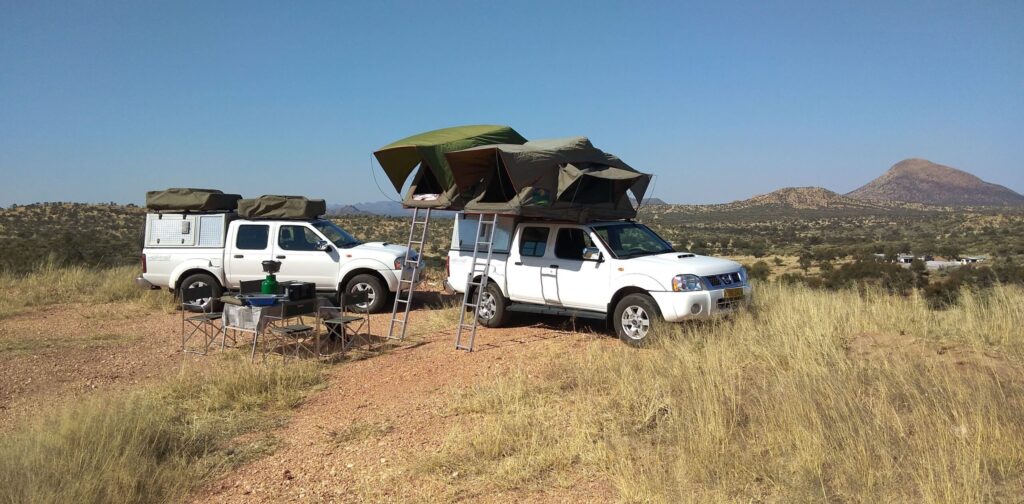
4×4 Masai Mara with Rooftop Tent – Self-Drive Kenya Safari
The Masai Mara is one of Kenya’s most famous safari destinations and one of the most rewarding places in East Africa for an independent 4×4 safari. For adventurous travellers who want more freedom than a traditional guided tour, hiring a 4×4 with a rooftop tent provides an exciting way to explore the Mara at your own pace while combining wildlife viewing with an authentic camping experience.
A self-drive Masai Mara safari allows you to decide when to leave camp, which routes to follow, where to stop for photographs and how much time to spend watching wildlife. With a capable 4×4, camping equipment and a rooftop tent, the journey becomes more than simply visiting a national reserve — it becomes a complete African road-trip adventure.
From Nairobi, travellers can drive towards the Great Rift Valley and continue into the western side of Kenya before reaching the Mara region. The route can also be combined with Lake Naivasha, Lake Nakuru, Amboseli, Samburu or other destinations to create a longer Kenya self-drive safari.
Why Choose a 4×4 with a Rooftop Tent for the Masai Mara?
A rooftop tent is an excellent option for travellers who want flexibility and independence during their Kenya safari. Instead of depending entirely on fixed accommodation, you carry your sleeping accommodation with you and can combine campsites with lodges or hotels along the route.
The elevated position of a rooftop tent also provides a comfortable camping setup while keeping the sleeping area above the ground. Most rental packages can be equipped with mattresses, bedding, camping tables, chairs, cooking equipment and other essentials.
A properly equipped 4×4 is particularly useful for a safari because some roads and tracks can become rough, especially during rainy periods. Four-wheel drive capability gives travellers greater confidence when travelling beyond the main paved roads and exploring safari areas.
For couples, friends and small groups, a 4×4 rental with rooftop tent can also be an economical way to experience Kenya compared with booking accommodation for every night.
Starting Your Masai Mara Self-Drive Safari from Nairobi
Nairobi is one of the most convenient starting points for a self-drive Masai Mara adventure. After collecting your 4×4, you can spend some time exploring Nairobi before beginning your road trip west.
The journey from Nairobi towards the Mara takes you through changing landscapes, from the busy capital and surrounding highlands to the dramatic Great Rift Valley and eventually the open grasslands of the Maasai Mara ecosystem.
The drive itself is part of the experience. Rather than treating the road between destinations as simply a transfer, a self-drive trip allows you to stop at viewpoints, small towns, local markets and scenic areas along the way.
Travellers who have additional time can include Lake Naivasha or Lake Nakuru before continuing to the Mara.
Nairobi to Masai Mara by 4×4
The Nairobi–Masai Mara route is one of Kenya’s classic safari road trips.
A common journey is:
Nairobi → Great Rift Valley → Narok → Masai Mara
The road conditions vary depending on the route and weather, so travellers should allow enough time rather than planning the journey around a strict arrival hour.
Narok is an important town along the route and is commonly used by travellers to purchase supplies before continuing towards the reserve.
Once you leave the more developed roads, the landscape changes dramatically. The open plains, acacia trees, livestock, hills and wildlife areas create the feeling that you are entering the heart of safari country.
Exploring the Masai Mara on a Self-Drive Safari
The biggest attraction of the Masai Mara is, of course, wildlife.
The Mara ecosystem is famous for its large populations of lions, elephants, buffalo, leopards, cheetahs and other wildlife. Depending on the season and location, travellers may also encounter giraffes, zebras, wildebeest, gazelles, hippos and numerous bird species.
Self-driving gives you the opportunity to spend more time at sightings that interest you.
If you find a pride of lions resting in the grass, for example, you can remain in the area for a while rather than following a fixed tour schedule. Similarly, you can spend time photographing landscapes, watching elephants or searching for predators.
However, self-drive safari requires responsible driving. Wildlife should always be given sufficient space, and visitors should follow reserve regulations and instructions from authorities.
The Great Migration in the Masai Mara
The Masai Mara forms part of the wider Mara-Serengeti ecosystem and is particularly famous for the annual movement of wildebeest, zebras and other grazing animals.
The migration is one of Africa’s most spectacular natural events. During the migration period, large concentrations of animals can move through the Mara ecosystem, creating exceptional opportunities for wildlife viewing.
The exact timing and location of wildlife movements can change from year to year. Therefore, travellers planning a self-drive safari specifically around the migration should remain flexible and obtain current local information before and during their trip.
Even outside the main migration period, the Masai Mara remains a major wildlife destination with year-round safari opportunities.
Camping in the Masai Mara with a Rooftop Tent
One of the most memorable ways to experience the Mara is by camping.
With a rooftop tent, your vehicle carries your accommodation wherever you travel. At the end of the day, you can set up your camp at an approved campsite and enjoy the atmosphere of the African wilderness.
A typical rooftop-tent setup may include:
- Rooftop tent
- Comfortable mattress
- Sleeping bags or bedding
- Camping table
- Camping chairs
- Cooking utensils
- Gas stove
- Cooler or camping fridge
- Water containers
- Basic kitchen equipment
- Recovery equipment
- Spare tyre
- Air compressor
- Basic tools
The exact equipment depends on the rental company and package, so travellers should confirm what is included before booking.
Camping also gives you the opportunity to keep your itinerary flexible. You can combine several nights of camping with occasional lodge stays when you want additional comfort.
Camping or Lodge Accommodation?
There is no single way to experience the Masai Mara.
Some travellers prefer lodges and permanent tented camps because everything is already arranged. Others enjoy the independence of carrying their own accommodation.
A rooftop-tent safari combines some of the advantages of both styles.
Camping can reduce accommodation costs and gives you more flexibility, while lodges can provide an opportunity to relax, enjoy prepared meals and experience a more traditional safari accommodation environment.
A mixed itinerary is therefore a popular option.
For example:
Nairobi – Hotel
Masai Mara – Rooftop Tent Camping
Masai Mara – Lodge
Lake Naivasha – Camping
Nairobi – Hotel
This type of arrangement gives travellers both adventure and comfort.
Masai Mara Self-Drive Safari Itineraries
3-Day Masai Mara Self-Drive Safari
A short trip can focus almost entirely on the Mara.
Day 1: Nairobi → Masai Mara
Day 2: Full-day Masai Mara game drive
Day 3: Masai Mara → Nairobi
This is suitable for travellers with limited time who want to concentrate on the main safari experience.
5-Day Masai Mara and Rift Valley Road Trip
Day 1: Nairobi → Lake Naivasha
Day 2: Lake Naivasha → Masai Mara
Day 3: Full-day Masai Mara safari
Day 4: Masai Mara → Narok area
Day 5: Narok → Nairobi
This option gives you more time to enjoy the journey rather than rushing directly between Nairobi and the Mara.
7-Day Kenya Self-Drive Safari
A longer itinerary could include:
Day 1: Nairobi
Day 2: Nairobi → Lake Naivasha
Day 3: Lake Naivasha → Lake Nakuru
Day 4: Lake Nakuru → Masai Mara
Day 5: Full-day Masai Mara safari
Day 6: Full-day Masai Mara safari
Day 7: Masai Mara → Nairobi
This itinerary combines several major destinations and provides multiple opportunities for wildlife viewing.
10-Day Kenya 4×4 Rooftop-Tent Adventure
Travellers with more time can create a broader Kenya road trip:
Nairobi → Lake Naivasha → Lake Nakuru → Masai Mara → Amboseli → Nairobi
Alternatively, the route can be extended north towards Samburu depending on the vehicle, season and available time.
A longer itinerary allows you to experience the significant differences between Kenya’s ecosystems rather than spending the entire trip in one destination.
Masai Mara, Lake Nakuru and Lake Naivasha
Combining the Mara with the Rift Valley lakes creates an excellent self-drive itinerary.
Lake Naivasha offers a very different landscape from the open Mara plains. Travellers can enjoy the lake environment, birdlife and surrounding scenery before continuing towards other destinations.
Lake Nakuru provides another contrasting wildlife environment, with opportunities to see rhinos and a variety of other wildlife depending on the season and current conditions.
Combining these destinations with the Mara creates a varied safari rather than focusing exclusively on one reserve.
Masai Mara and Amboseli by 4×4
For travellers with additional time, combining Masai Mara and Amboseli creates an impressive Kenya road trip.
The two destinations offer very different landscapes.
The Mara is known for its open grasslands and large concentrations of wildlife, while Amboseli is famous for its spectacular views towards Mount Kilimanjaro and its elephant populations.
Because the distances between destinations can be significant, travellers should allow sufficient time for the journey and avoid creating an itinerary that requires excessive daily driving.
Masai Mara and Samburu
Another option is to combine the Mara with Samburu in northern Kenya.
This produces a much longer and more diverse road trip covering different landscapes, communities and wildlife habitats.
A route could include:
Nairobi → Samburu → Lake Nakuru → Masai Mara → Nairobi
Travellers with more time can add additional destinations.
A 4×4 with camping equipment is particularly useful for this type of journey because it allows travellers to carry their accommodation and camping equipment throughout the trip.
Driving a 4×4 in Kenya
Self-driving in Kenya requires preparation and patience.
Main highways and major roads can be straightforward, but conditions can change once you leave the paved road network. Some safari tracks can be rough, dusty, muddy or affected by seasonal rainfall.
A 4×4 is therefore recommended for travellers planning to combine normal road travel with safari routes.
Before leaving each morning, check:
- Fuel level
- Tyre pressure
- Spare tyre
- Water supply
- Camping equipment
- Vehicle recovery equipment
- Navigation
- Weather conditions
- Park or reserve requirements
- Mobile communication
Do not rely entirely on mobile-phone navigation. Carry offline maps or another reliable navigation method because mobile coverage can vary.
Driving Inside the Masai Mara
Driving in a wildlife area is very different from driving on a normal road.
Wild animals have priority, and drivers should maintain a safe distance and avoid disturbing wildlife.
Do not chase animals, block their movement or drive aggressively to reach sightings. Responsible safari driving protects both visitors and wildlife and contributes to a better experience for everyone.
Travellers should also remain within designated areas and follow the current rules of the reserve or conservancy they are visiting.
Before entering, confirm current entry requirements, opening hours, permitted driving areas, fees and camping regulations.
What to Pack for a Masai Mara Rooftop-Tent Safari
Packing correctly makes a major difference to a self-drive camping trip.
Clothing
Bring lightweight, comfortable clothing suitable for warm days and cooler mornings and evenings. Neutral colours are generally practical for safari activities.
A warm layer is useful because early mornings can be cool.
Camping Equipment
If the rental company does not provide everything, consider bringing:
- Sleeping bag
- Headlamp
- Small torch
- Personal towel
- Portable charger
- Reusable water bottle
- Personal cooking items
- Small backpack
- Travel knife or multitool where legally permitted
- Waterproof bags
Photography
The Mara is one of Kenya’s most exciting destinations for wildlife photography.
A camera with a telephoto lens can be useful for photographing animals without approaching them too closely.
Binoculars are also highly recommended.
Navigation
Carry offline maps and keep important locations saved before leaving areas with reliable internet access.
Fuel and Supplies
Always plan fuel carefully.
Do not assume that every safari area will have convenient fuel stations. Fill the vehicle before travelling into remote areas and ask your rental provider about the vehicle’s approximate range.
Food and drinking water should also be planned in advance, particularly if you intend to spend several nights camping.
Narok and other larger towns along the route can be useful places to purchase supplies before heading deeper into safari country.
Is a Rooftop Tent Suitable for Families?
A rooftop tent can work very well for couples, friends and adventurous families, provided the vehicle and tent capacity are suitable for the number of travellers.
Families should confirm the sleeping capacity, age requirements, tent configuration and safety rules with the rental company before booking.
For larger groups, two vehicles with rooftop tents can provide more space and flexibility.
Masai Mara Self-Drive for Couples
For couples, a 4×4 with a rooftop tent can be one of the most memorable ways to explore Kenya.
You have the freedom to choose your route, stop when you want and spend several days exploring the Mara without having to move between hotels every night.
A typical couple’s adventure could combine camping, wildlife drives and a few nights in a comfortable lodge.
This approach creates a balance between adventure and relaxation.
Masai Mara Self-Drive for Photographers
Wildlife photographers often appreciate the flexibility of self-driving because it allows more control over the day’s schedule.
Instead of following a fixed itinerary, photographers can dedicate more time to landscapes, wildlife behaviour, changing light and specific species.
However, photography should always be carried out responsibly. Wildlife should never be pressured or disturbed simply to obtain a photograph.
Combining Masai Mara with Tanzania
Experienced East African travellers may also consider a cross-border adventure combining Kenya and Tanzania.
A longer journey can potentially connect the Masai Mara with destinations such as Serengeti, Ngorongoro, Tarangire or Arusha, depending on border requirements, vehicle permissions and the rental company’s cross-border policy.
Cross-border self-drive requires additional planning. Immigration requirements, vehicle documentation, insurance, temporary importation procedures and border regulations should be confirmed before booking.
For travellers interested in a Kenya–Tanzania self-drive safari, it is important to choose a rental provider experienced in cross-border vehicle arrangements.
Why Rent a 4×4 with Rooftop Tent?
A rooftop-tent vehicle gives you several advantages:
Freedom: You can build your itinerary around your interests.
Flexibility: You are not tied to a fixed hotel schedule.
Adventure: Camping adds another dimension to the safari.
Practicality: Your vehicle carries your sleeping and camping equipment.
Privacy: You can enjoy your own camping setup instead of relying entirely on shared accommodation.
Value: For some travellers, combining vehicle rental and camping can be more economical than booking accommodation every night.
Most importantly, it gives you the opportunity to experience Kenya as a road-trip destination rather than simply moving between hotels.
Book Your Masai Mara 4×4 Rooftop Tent Safari
A Masai Mara self-drive safari with a 4×4 and rooftop tent is an excellent choice for travellers who want independence, wildlife, camping and the freedom to explore Kenya at their own pace.
Whether you are planning a short Nairobi–Masai Mara adventure or a longer Kenya road trip combining the Mara with Lake Nakuru, Lake Naivasha, Amboseli or Samburu, the right 4×4 and camping setup can make the journey much easier.
Before booking, discuss your planned route, number of travellers, camping requirements, insurance, vehicle specifications, reserve regulations and cross-border plans with your rental provider.
Choose a reliable 4×4, prepare carefully, respect wildlife and allow enough time to enjoy the journey.
Your Masai Mara adventure starts not when you reach the reserve, but from the moment you take the wheel.
Frequently Asked Questions
Can I self-drive in the Masai Mara?
Yes, self-drive safari is possible in the Masai Mara, subject to the current rules and regulations of the reserve or conservancy you are visiting. Drivers should understand the applicable routes, entry requirements and wildlife-viewing rules before entering.
Do I need a 4×4 for the Masai Mara?
A capable 4×4 is strongly recommended for travellers planning to explore safari tracks, particularly where road conditions may become difficult. Conditions can vary with weather and season.
Can I camp with a rooftop tent in the Masai Mara?
Yes, camping is available at designated campsites and facilities in the wider Mara area. Always confirm where camping is permitted and whether advance arrangements are required.
Can I rent a 4×4 with a rooftop tent in Nairobi?
Yes, several safari vehicle rental arrangements can be made from Nairobi, depending on vehicle availability and the rental provider.
How many days do I need for Masai Mara?
A minimum of three days can provide a short safari experience, while four to seven days allows more time for wildlife viewing and combining the Mara with other destinations.
Can I combine Masai Mara with Lake Nakuru?
Yes. Lake Nakuru and Masai Mara can be combined into a practical Kenya self-drive itinerary, particularly for travellers starting and ending in Nairobi.
Can I combine Masai Mara with Amboseli?
Yes, although the distance between the destinations means you should allow adequate time for driving. A longer itinerary is preferable.
Can I drive from Kenya to Tanzania with a rental 4×4?
Some rental companies allow cross-border travel, but this depends on the vehicle, rental agreement, insurance and required border documentation. Always obtain written confirmation before planning a Kenya–Tanzania self-drive trip.
What should I check before renting a rooftop-tent 4×4?
Confirm the vehicle model, 4WD system, tent capacity, mattress, camping equipment, cooking gear, insurance, mileage policy, spare tyres, recovery equipment, permitted destinations and cross-border conditions.
Is Masai Mara suitable for first-time self-drive travellers?
It can be, provided travellers prepare properly, understand the road and wildlife conditions and follow all reserve regulations. First-time self-drivers should avoid rushing their itinerary and should seek local advice about current road and safari conditions.
Start Your Kenya Self-Drive Adventure
Explore the Masai Mara on your own schedule with a reliable 4×4 rental with rooftop tent and experience one of Kenya’s most iconic safari landscapes from behind the wheel.
From Nairobi to the Great Rift Valley and onward to the Mara plains, every stage of the journey becomes part of the adventure.