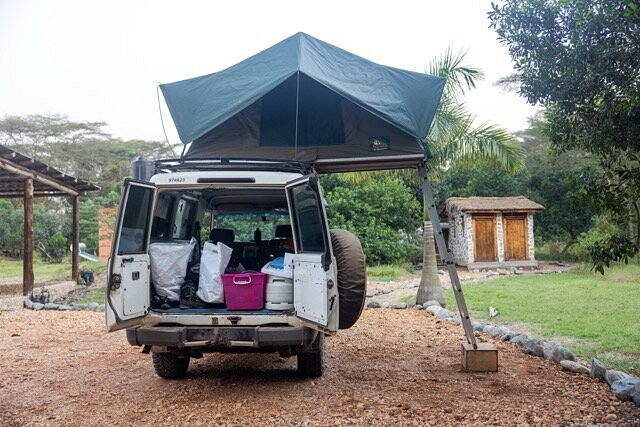
Essential Tips for an Unforgettable Self-Drive Adventure in Kenya
Kenya is one of Africa’s most exciting destinations for travellers who want the freedom of exploring independently. While guided safaris remain popular, a self-drive safari in Kenya offers a different kind of adventure, allowing you to choose your own routes, set your own pace and spend as much time as you want watching wildlife or enjoying the country’s spectacular landscapes.
From the busy streets of Nairobi to the open plains of the Maasai Mara, the flamingo-filled lakes of the Great Rift Valley, the foothills of Mount Kenya and the beaches of the Indian Ocean, Kenya offers an extraordinary variety of experiences that can be connected by road.
For wildlife enthusiasts, the Maasai Mara is one of the country’s biggest attractions, particularly during the Great Migration season. However, Kenya’s safari experience extends far beyond the Mara. Amboseli National Park offers spectacular views of Mount Kilimanjaro, Tsavo East and Tsavo West provide vast wilderness and elephants, while Samburu offers a completely different landscape and a chance to see wildlife adapted to northern Kenya.
Self-driving also comes with responsibilities. You need to understand Kenyan road conditions, wildlife regulations, park rules, vehicle requirements and the challenges of driving long distances in remote areas.
Below are essential tips to help you enjoy a safe, comfortable and unforgettable self-drive adventure in Kenya.
1. Choose the Right Vehicle
The vehicle you choose can make or break a Kenyan self-drive safari.
Kenya’s major highways and many roads connecting towns are paved, but conditions can change dramatically once you enter national parks, conservancies and remote rural areas.
Safari tracks can range from relatively smooth graded roads to deeply rutted, rocky or sandy tracks. During the rainy season, some routes can become muddy and difficult to negotiate.
For a serious safari itinerary, a 4×4 vehicle with good ground clearance is strongly recommended. Toyota Land Cruisers and other capable four-wheel-drive vehicles are particularly suitable for Kenyan safari conditions.
A 4×4 is especially useful if your itinerary includes areas such as the Maasai Mara, Amboseli, Tsavo, Samburu or remote parts of northern Kenya.
Before collecting your rental vehicle, check the condition of the tyres, spare wheel, jack, recovery equipment and other essential equipment. If you are travelling into remote areas, ask the rental company whether the vehicle is equipped with the appropriate recovery gear and whether additional spare tyres are recommended.
2. Prepare Your Driving Documents
Make sure you have all the necessary documents before starting your journey.
Carry your valid driving licence, passport, rental agreement and relevant insurance documents. International visitors should confirm with their rental company whether an International Driving Permit or other documentation is required for their particular circumstances.
If you are crossing from Kenya into another country, additional documentation and authorisation from the rental company will normally be required.
Keep both physical and digital copies of important documents. Having them readily available can make interactions at checkpoints, park entrances or border crossings considerably easier.
Before leaving the rental office, ask the company to explain the vehicle’s insurance coverage, excess, breakdown procedures and restrictions on where the vehicle may be driven.
3. Understand Kenyan Speed Limits and Road Conditions
Kenyan speed limits vary according to the type of road and location, so always pay attention to posted signs.
Urban areas, trading centres and built-up areas require slower driving, while highways may allow higher speeds. However, road conditions, pedestrians, motorcycles, livestock and other hazards can require you to drive considerably slower than the legal maximum.
Never assume that an apparently empty road is safe for high-speed driving.
On safari, speeds are much lower. Wildlife can suddenly cross the road or appear from vegetation, and uneven tracks can make high speeds dangerous.
Slow driving also improves your safari experience. You have more time to spot animals, identify tracks and enjoy the landscape instead of concentrating entirely on reaching your next destination.
4. Respect Wildlife and Stay on Designated Tracks
National parks and conservancies have strict rules designed to protect wildlife and the environment.
Stay on designated roads and tracks unless park authorities specifically permit otherwise. Driving off-road can damage fragile vegetation, disturb animals and contribute to erosion.
When you encounter wildlife, give animals plenty of space. Never deliberately drive too close simply to obtain a better photograph.
Particular care is required around elephants, buffaloes and other large animals. Even apparently relaxed animals can become aggressive if they feel threatened.
Never get out of your vehicle in an area where it is not permitted. Remember that a safari vehicle provides a significant degree of protection from wildlife, while a person standing outside can become vulnerable very quickly.
5. Plan Your Safari Around Park Opening and Closing Times
Every national park and conservancy can have its own operating arrangements, so check the current rules before travelling.
Plan your day around the permitted entry and exit times rather than assuming you can remain inside the park indefinitely.
Early mornings are usually among the most rewarding times for wildlife viewing. Temperatures are cooler, predators may still be active and many animals are beginning their daily feeding activities.
Late afternoon can also provide excellent opportunities for wildlife viewing, particularly as temperatures fall and animals become more active.
Give yourself enough time to return to the appropriate gate or accommodation before closing time. Getting caught far from the exit at the end of the day can create unnecessary stress and may result in penalties or other problems.
6. Fill Up With Fuel Before Entering Remote Areas
Fuel planning is critical on a Kenyan self-drive safari.
Major towns such as Nairobi, Nakuru, Naivasha, Narok, Nanyuki and other regional centres provide opportunities to refuel, but petrol stations become increasingly scarce as you travel into remote areas.
Always fill your tank before entering a national park or undertaking a long journey through sparsely populated areas.
If your itinerary includes several days in remote northern Kenya or extended travel through safari areas, discuss your fuel requirements with your rental company before departure. Depending on the vehicle and route, carrying an approved reserve fuel supply may be advisable.
Running out of fuel in the middle of a safari area is more than an inconvenience. Recovery can be expensive, time-consuming and difficult, particularly when you are far from the nearest town.
7. Carry Essential Safety and Recovery Equipment
Before leaving with your rental vehicle, confirm that it has the basic equipment needed for the journey.
Useful equipment includes:
- Warning triangle
- Fire extinguisher
- First-aid kit
- Spare tyre or tyres
- Jack and wheel-changing tools
- Tyre compressor
- Recovery straps or other appropriate recovery equipment
- Basic vehicle tools
- Drinking water
- Power bank
- Fully charged mobile phone
For remote safari routes, recovery equipment becomes particularly important.
Ask the rental company to demonstrate how to change a tyre and where the spare wheel, jack and tools are stored.
It is much better to discover how everything works at the rental office than beside a muddy safari track.
8. Be Prepared for Long Distances
Kenya is much larger than many first-time visitors expect.
Although some destinations may look relatively close on a map, road conditions, traffic, wildlife stops and mountainous terrain can significantly increase travel times.
A route such as Nairobi–Maasai Mara or Nairobi–Amboseli can take considerably longer than the straight-line distance suggests.
Avoid planning every day around tight schedules. Allow additional time for roadworks, traffic, photographs, wildlife sightings and unexpected delays.
A comfortable self-drive itinerary is more enjoyable than one that requires several hours of rushed driving every day.
9. Take Extra Care When Driving at Night
Whenever possible, avoid unnecessary night driving in rural areas and around national parks.
Animals, pedestrians, cyclists, motorcycles and livestock can appear on roads with little warning. Some rural roads may also have poor lighting or road markings.
If you experience a delay late in the day, consider stopping at a safe town or accommodation rather than continuing for several hours simply to reach your original destination.
Daylight driving gives you better visibility and allows you to appreciate the scenery along the way.
10. Consider Hiring a Local Guide for Part of Your Safari
Self-driving gives you independence, but you do not have to rely entirely on your own wildlife knowledge.
Consider hiring a local guide for part of your safari, particularly in areas where finding wildlife can be challenging.
Experienced guides understand animal behaviour, local geography and recent wildlife movements. They can also help identify species that an inexperienced visitor might easily overlook.
A particularly effective approach is to combine independent driving with a guided game drive. You can enjoy the freedom of your rental vehicle while also benefiting from local expertise during selected parts of your safari.
11. Explore Activities Beyond Game Drives
Kenya offers far more than traditional wildlife drives.
Depending on your itinerary, you can combine your safari with a wide variety of experiences.
Maasai Mara
In addition to traditional game drives, travellers can explore cultural experiences and, where available and permitted, activities such as walking or balloon safaris.
Lake Naivasha
Lake Naivasha offers opportunities for boat trips, birdwatching and exploring the surrounding Great Rift Valley landscape.
Amboseli
Amboseli is famous for its elephant herds and spectacular views of Mount Kilimanjaro. Early mornings can provide particularly impressive photographic conditions.
Coastal Kenya
After a safari, you can drive towards the Indian Ocean and relax around Mombasa, Diani Beach, Watamu or other coastal destinations.
Combining wildlife, culture, landscapes and beach time can transform a simple safari into a much more complete Kenyan holiday.
12. Check the Season Before Booking
Kenya can be visited throughout the year, but seasonal changes can significantly influence road conditions, wildlife viewing and overall travel experiences.
The main dry periods are generally around June to October and January to February, although exact conditions vary by region.
The dry season can make some safari tracks easier to navigate, while animals may become easier to locate around permanent water sources.
The rainy periods can transform Kenya’s landscapes into lush green environments. Wildlife is still abundant, and fewer visitors can mean a more peaceful safari experience.
However, heavy rain can make unpaved tracks muddy and challenging. Some remote roads may become temporarily difficult or impassable.
If you are planning a self-drive safari during the rainy season, a capable 4×4 and flexible itinerary become even more important.
13. Plan Carefully for the Great Migration
If the Great Migration is one of your main reasons for visiting Kenya, careful planning is essential.
The Maasai Mara receives large numbers of wildebeest and other animals during the annual migration, creating some of Africa’s most spectacular wildlife experiences.
However, wildlife movements are natural events and cannot be guaranteed on an exact date. The timing and location of large herds can vary from year to year.
Self-drive travellers should therefore avoid assuming that the migration will automatically be visible simply because they visit during a particular month.
Allow several days in the Mara if the migration is a priority. This gives you more opportunities to explore different areas and respond to changing wildlife movements.
Always follow park and conservancy regulations, especially around animal sightings and river crossings.
14. Be Careful Around Wildlife at Campsites and Lodges
Staying in a safari camp or lodge can be an extraordinary experience, but remember that many properties are located inside or close to wildlife habitats.
Do not walk around after dark unless the accommodation’s staff have advised you that it is safe to do so or provide an escort.
Keep food properly stored and follow instructions from camp staff.
Even when animals are not immediately visible, you may be surrounded by wildlife.
A self-drive safari requires the same respect for nature at your campsite as it does when you are sitting inside your vehicle.
15. Download Maps and Prepare for Limited Connectivity
Mobile connectivity is available in many parts of Kenya, but remote safari areas can have weak or inconsistent coverage.
Before leaving major towns, download offline maps and save important locations on your phone.
Useful locations to save include:
- Your accommodation
- National park gates
- Fuel stations
- Major towns
- Hospitals or medical facilities
- Police stations
- Your rental company’s office
- Emergency contacts
Carry a power bank and keep your phone charged.
If you are travelling into particularly remote regions, discuss communication and emergency support with your rental company before departure.
16. Carry Enough Water and Basic Supplies
Never underestimate the importance of carrying sufficient drinking water.
A safari day can involve several hours on rough roads, often far from shops and restaurants. Carry enough water for everyone in the vehicle and consider keeping a small reserve for unexpected delays.
Snacks, basic medicines, sunscreen, hats, insect repellent and other personal essentials are also useful.
If you are camping, your preparation should go further. Make sure you have adequate cooking equipment, food, water storage and camping supplies for the entire route.
17. Respect Local Communities and Cultural Sites
A self-drive journey through Kenya is not only about wildlife.
You will pass through towns, villages, farms and communities, and responsible travellers should respect the people and places they encounter.
Ask permission before photographing people, particularly in rural communities and cultural settings.
Drive carefully through villages and market areas, where pedestrians, bicycles, motorcycles and livestock may share the road.
Consider including genuine cultural experiences in your itinerary. Meeting local communities can add a meaningful dimension to a safari that cannot be found through wildlife viewing alone.
18. Check Park and Conservancy Rules Before Your Trip
Kenya’s protected areas do not all operate under identical rules.
Entry fees, opening hours, driving regulations, camping arrangements, road access and other requirements can vary between national parks, reserves and private conservancies.
Before travelling, confirm the latest regulations for every protected area on your itinerary.
If you are renting a vehicle, ask your rental company whether there are any restrictions on where the vehicle can be driven or whether certain areas require additional permissions.
Good preparation will help you avoid unexpected costs and ensure that your safari remains within the applicable rules.
19. Don’t Overload Your Itinerary
One of the biggest mistakes self-drive travellers make is trying to see too much in too little time.
Kenya has enough attractions to fill several weeks, so there is no need to rush.
Instead of spending every day driving between destinations, choose a few key areas and spend enough time in each one.
For example, a combination of Nairobi, Lake Naivasha, Maasai Mara and Amboseli can provide an excellent introduction to Kenya without requiring an exhausting schedule.
If you have more time, you can extend your journey towards Samburu, Laikipia, Tsavo or the Kenyan coast.
20. Always Drive Responsibly
Ultimately, the quality of your self-drive safari depends on responsible driving.
Follow speed limits, respect other road users, give pedestrians and livestock plenty of space and never drive while tired.
Inside protected areas, remember that you are a visitor in a wild environment. Follow park regulations, respect wildlife and leave no litter behind.
The goal is not simply to see as many animals as possible. It is to experience Kenya while contributing to the protection of the landscapes and wildlife that make the country special.
Conclusion
A self-drive adventure in Kenya gives travellers an extraordinary degree of freedom. You can leave Nairobi for the Great Rift Valley, continue towards the Maasai Mara, explore the wildlife-rich plains of Amboseli or venture further into the wilderness of Samburu and Tsavo—all while controlling your own pace and itinerary.
The key to a successful trip is preparation.
Choose a suitable 4×4 vehicle, understand the roads and park regulations, carry enough fuel and water, prepare for changing weather and avoid rushing between destinations. Most importantly, respect wildlife and the communities you encounter along the way.
For first-time visitors, Kenya offers one of Africa’s most rewarding combinations of wildlife, landscapes, culture and adventure. Whether your dream is watching elephants beneath Mount Kilimanjaro, following the Great Migration in the Maasai Mara or discovering remote wilderness away from the main tourist routes, a well-planned self-drive safari can turn your Kenyan holiday into an unforgettable road adventure.
Ready for a Self-Drive Safari in Kenya?
Whether you are planning a Maasai Mara safari, Amboseli and Tsavo adventure, Great Rift Valley road trip, Kenya-Tanzania cross-border journey or a longer East African self-drive expedition, choosing the right vehicle and having reliable local support can make all the difference.
Book a dependable 4×4 rental in Kenya and build your journey around the destinations and experiences that interest you most. With the right vehicle, preparation and itinerary, Kenya’s roads can become the beginning of an unforgettable African adventure.