Beyond the Big Five: The Best Things to Do in Kenya
Seeing a lion resting beneath an acacia tree, watching elephants cross the savannah or witnessing the Great Migration sweep across the plains of the Maasai Mara are experiences that attract travellers from around the world to Kenya.
For many visitors, a safari is the main reason for coming. But Kenya is much more than game drives and the Big Five.
From the snow-capped summit of Mount Kenya and the forests of the central highlands to the white-sand beaches of the Indian Ocean, Kenya offers an extraordinary variety of landscapes, cultures and outdoor experiences. You can walk through indigenous forests, meet local communities, explore ancient coastal towns, hike volcanic landscapes, relax beside tropical beaches or discover some of East Africa’s most spectacular lakes.
If you are already planning a safari in Kenya, adding a few extra days can transform your trip from a traditional wildlife holiday into a much more complete Kenyan adventure.
Here are some of the best things to do in Kenya beyond the classic safari.
Explore the Maasai Mara Beyond the Big Five
The Maasai Mara is famous around the world for its exceptional wildlife and the annual Great Migration, but there is much more to experience here than simply searching for lions, leopards and elephants.
Early-morning and afternoon game drives provide opportunities to observe wildlife when temperatures are cooler and animals are most active. The open grasslands are home to enormous herds of wildebeest and zebra during the migration season, while resident wildlife remains in the Mara throughout much of the year.
Beyond traditional game drives, visitors can experience the landscape through guided walking excursions, cultural visits and, in designated areas and under appropriate arrangements, hot-air balloon safaris.
A visit to a Maasai community can also provide insight into traditional lifestyles, livestock keeping, crafts, music and dance.
The Mara is therefore not simply a destination for ticking the Big Five off a list. It is an opportunity to experience one of Africa’s most iconic landscapes.
Go on Safari in Amboseli National Park
Few safari landscapes in Africa are as instantly recognisable as Amboseli National Park, where large elephant herds move across open plains with Mount Kilimanjaro rising dramatically in the background.
Amboseli offers a different atmosphere from the Maasai Mara. The landscape is generally more open, and its combination of seasonal wetlands, grasslands and dusty plains creates excellent opportunities for wildlife photography.
Elephants are the park’s stars, but visitors may also encounter lions, cheetahs, buffaloes, giraffes, zebras, wildebeest, hippos and numerous bird species.
For photographers, the combination of wildlife and Mount Kilimanjaro can produce some of the most memorable images of a Kenya safari.
Hike Mount Kenya
Kenya is home to Africa’s second-highest mountain, Mount Kenya, and exploring its slopes provides an entirely different experience from a traditional safari.
Several routes lead into the mountain’s spectacular landscapes, passing through forests, bamboo zones, moorlands and high-altitude vegetation before reaching the dramatic rocky peaks.
Experienced mountaineers can attempt the technical summit of Batian, while trekkers can choose routes leading to areas such as Point Lenana without requiring technical climbing skills.
The mountain’s changing vegetation and scenery make the trek rewarding even before reaching the highest point.
For travellers who enjoy hiking and adventure, combining a Mount Kenya trek with a wildlife safari is one of the best ways to experience the diversity of the country.
Discover the Lakes of the Great Rift Valley
Kenya’s Great Rift Valley is one of the country’s most spectacular geographical regions, containing a chain of dramatic lakes surrounded by escarpments, volcanic landscapes and wildlife habitats.
Lake Naivasha is particularly popular for boat trips and wildlife experiences. Visitors can cruise across the lake while watching hippos, waterbirds and other wildlife along the shoreline.
Nearby Hell’s Gate National Park offers a more active experience, with opportunities for hiking, cycling and exploring dramatic cliffs and volcanic landscapes.
Further north, Lake Nakuru National Park is renowned for its rhinos, lions, leopards, giraffes and birdlife.
The Rift Valley lakes can easily be incorporated into a road trip between Nairobi and Kenya’s major safari destinations.
Walk and Cycle in Hell’s Gate National Park
For an adventure that gets you out of the safari vehicle, head to Hell’s Gate National Park.
Unlike many Kenyan parks, Hell’s Gate allows visitors to explore parts of the park on foot or by bicycle, making it a particularly exciting destination for active travellers.
The park is characterised by towering cliffs, gorges, volcanic formations and open grasslands.
You may encounter zebras, giraffes, buffaloes, antelopes and numerous bird species while walking or cycling through the landscape.
The park also has strong geological significance, with geothermal activity beneath the surrounding Rift Valley landscape.
For travellers spending time around Lake Naivasha, Hell’s Gate is an excellent day excursion.
Visit the Kenyan Coast
After several days of safari and road travel, Kenya’s Indian Ocean coast offers the perfect opportunity to slow down.
The coastline stretches from the area around Mombasa northwards through destinations such as Malindi, Watamu and Lamu, with tropical beaches, coral reefs and a rich Swahili cultural heritage.
Visitors can spend their days swimming, snorkelling, diving, taking boat excursions or simply relaxing beside the ocean.
The coastal region also offers a fascinating cultural contrast to Kenya’s inland safari destinations, with centuries of trade and interaction between African, Arab, Persian and Asian communities shaping the region’s distinctive Swahili culture.
Combining a safari with several days on the coast is one of the most popular ways to finish a Kenyan holiday.
Discover Lamu Old Town
For history and culture, few places in Kenya compare with Lamu Old Town.
Located on Lamu Island, the historic settlement is one of East Africa’s most atmospheric coastal towns. Narrow streets, traditional Swahili architecture, carved wooden doors and the absence of conventional car traffic give the old town a character completely different from Kenya’s modern cities.
Visitors can explore historic buildings, markets, waterfront areas and cultural sites while learning about the centuries-old Swahili trading culture of the Indian Ocean.
A visit to Lamu works particularly well at the end of a safari itinerary, when travellers are ready for a slower and more cultural experience.
Explore Mombasa and Its Swahili Heritage
Kenya’s second-largest city is also a gateway to some of the country’s most famous beaches.
Mombasa has a fascinating history shaped by African, Arab, Persian, Portuguese and British influences.
Visitors can explore Fort Jesus, wander through the Old Town, visit local markets and experience the city’s distinctive Swahili food and architecture.
The city is also an ideal base for exploring the surrounding coastline and marine attractions.
For travellers flying into or out of Mombasa, spending a day or two exploring the city provides a useful cultural introduction to coastal Kenya.
Go Snorkelling and Diving
Kenya’s Indian Ocean coastline is home to coral reefs and marine ecosystems that provide excellent opportunities for underwater adventures.
The waters around Watamu and Malindi are particularly popular for snorkelling and diving.
Depending on the season and conditions, visitors may encounter colourful reef fish, sea turtles, rays and other marine life.
Marine excursions can also include boat trips and visits to protected coastal areas.
For travellers who have already spent several days watching terrestrial wildlife, exploring Kenya’s underwater world provides a completely different perspective on the country’s biodiversity.
Visit the David Sheldrick Wildlife Trust
Wildlife lovers visiting Nairobi can add a conservation experience to their itinerary by visiting the Sheldrick Wildlife Trust, known for its work rescuing and rehabilitating orphaned elephants.
The organisation provides care for young elephants that have been separated from their herds, with the long-term goal of returning suitable animals to the wild.
A visit offers an opportunity to learn about elephant conservation, the challenges facing wildlife and the work involved in raising and rehabilitating orphaned animals.
It is a meaningful addition to a Kenya safari, particularly for travellers interested in conservation.
Explore Nairobi National Park
It may seem unusual to find a major wildlife park immediately outside a capital city, but that is exactly what makes Nairobi National Park so special.
Located just outside Nairobi, the park provides an opportunity to see wildlife against the backdrop of the city skyline.
The park supports lions, leopards, buffaloes, giraffes, zebras, rhinos and numerous other species.
Because of its proximity to the city and international airport, Nairobi National Park can easily be added to the beginning or end of a Kenyan itinerary.
It is also a convenient introduction to Kenya’s wildlife before travelling deeper into the country’s safari regions.
Experience Kenyan Culture
Kenya is home to dozens of communities, each with its own traditions, languages, foods, crafts and cultural heritage.
A cultural experience can therefore add an important human dimension to a wildlife safari.
Depending on the region, travellers may visit Maasai communities, learn about traditional pastoral lifestyles, participate in cultural performances or visit local craft workshops and markets.
Food is another excellent way to experience Kenya. From nyama choma and ugali to coastal Swahili dishes, Kenyan cuisine reflects the country’s diverse cultural influences.
Responsible community tourism can also help ensure that tourism contributes directly to local communities.
Go Birdwatching
Kenya is an excellent destination for birdwatchers, with a huge variety of habitats ranging from coastal forests and wetlands to savannahs, mountains and dry northern landscapes.
The Great Rift Valley lakes are particularly important birding destinations, while national parks such as the Maasai Mara, Amboseli and Samburu also provide opportunities to observe both resident and migratory species.
Birdwatching can easily be incorporated into a traditional safari because many birds are encountered naturally during game drives.
For dedicated birders, however, Kenya offers enough diversity to justify a specialised birding itinerary.
Visit Samburu National Reserve
Travellers looking for a safari experience away from the most visited southern parks should consider Samburu National Reserve.
The landscape is markedly different from the Maasai Mara, with dry riverbeds, rugged hills, acacia woodland and semi-arid scenery.
Samburu is particularly famous for several northern species that are less commonly encountered in southern Kenya, including the Grevy’s zebra, reticulated giraffe, gerenuk and Beisa oryx.
The reserve also has strong cultural connections with the Samburu people.
A northern Kenya safari combining Samburu with other nearby conservancies can therefore provide both exceptional wildlife and a very different landscape from the classic Mara experience.
Explore the Laikipia Conservancies
Laikipia offers one of Kenya’s most interesting approaches to conservation.
Rather than being dominated by a single national park, the region contains a network of private and community conservancies where wildlife conservation, tourism and local livelihoods are closely connected.
The area supports elephants, lions, leopards, wild dogs, rhinos and numerous other species.
Visitors can often participate in experiences that are less common in traditional national parks, including guided walks, night drives and conservation activities, depending on the conservancy.
Laikipia is particularly attractive to travellers who want a more intimate and conservation-focused safari experience.
Explore Northern Kenya
For travellers with more time, northern Kenya offers some of the country’s most dramatic and remote landscapes.
The region around Lake Turkana, the Chalbi Desert and the Matthews Range provides an extraordinary contrast to the green landscapes of the central highlands and the wildlife-rich plains of the south.
Northern Kenya is less developed for conventional tourism, which means journeys here require more planning and appropriate vehicles.
However, for adventurous travellers, the rewards include spectacular landscapes, remote communities and a glimpse into a less-visited side of Kenya.
Enjoy a Hot-Air Balloon Safari
A hot-air balloon safari is one of Kenya’s most memorable ways to experience the savannah.
Floating above the landscape at sunrise gives you a completely different perspective of the plains below.
From the air, wildlife trails, rivers and herds of animals become part of a vast natural landscape.
Balloon safaris are particularly associated with the Maasai Mara and are normally followed by a bush breakfast.
Although it is a premium experience, it can be a spectacular addition to a special occasion or once-in-a-lifetime safari.
Go Fishing and Boating
Kenya’s lakes, rivers and coastline provide opportunities for travellers who enjoy water-based activities.
Lake Naivasha is popular for boat excursions, while the Indian Ocean offers deep-sea fishing and other marine experiences.
In some destinations, fishing can be combined with cultural or wildlife experiences, making it possible to include a slower-paced activity between safari days.
Take a Road Trip Through Kenya
One of the best ways to experience Kenya beyond the major tourist highlights is by travelling overland.
A well-planned road trip can connect Nairobi with the Great Rift Valley, Lake Naivasha, Lake Nakuru, Maasai Mara, Amboseli, Tsavo, the Kenyan coast and other destinations.
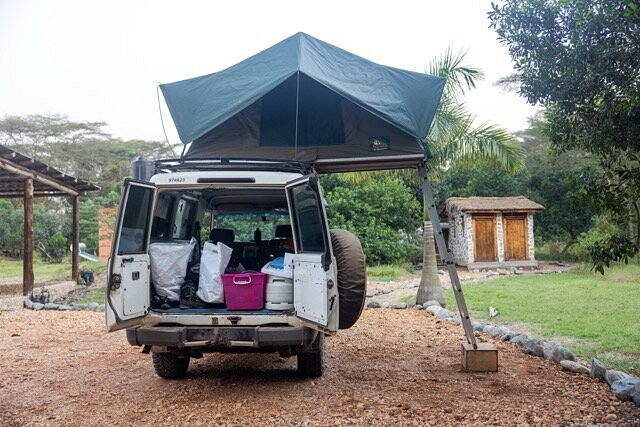
For travellers interested in independent travel, a 4×4 rental in Kenya provides flexibility to build an itinerary around personal interests rather than following a fixed schedule.
A suitable 4×4 is particularly useful when travelling to remote areas, national parks and destinations where road conditions can vary.
For travellers planning to continue into Tanzania or Uganda, it is important to arrange the appropriate cross-border permissions, insurance and vehicle documentation before departure.
How to Combine Kenya’s Experiences
Kenya’s geographical diversity makes it possible to build very different types of holidays.
A classic first-time itinerary could combine Nairobi, the Maasai Mara and the Kenyan coast.
Wildlife enthusiasts might choose Nairobi National Park, Lake Nakuru, Samburu, Laikipia and the Maasai Mara.
Adventure travellers could combine Mount Kenya, Hell’s Gate, Lake Naivasha and a safari in the Mara.
For a broader East African journey, Kenya can also form part of a road itinerary connecting with Tanzania, Uganda or Rwanda, subject to border and vehicle requirements.
A longer Kenya adventure could include:
- Nairobi and Nairobi National Park
- Maasai Mara National Reserve
- Lake Naivasha
- Hell’s Gate National Park
- Lake Nakuru
- Samburu National Reserve
- Laikipia conservancies
- Mount Kenya
- Amboseli National Park
- Tsavo National Parks
- Mombasa
- Watamu and Malindi
- Lamu Old Town
- Kenyan coastal beaches
This variety is what makes Kenya such an attractive destination for travellers who want more than a conventional safari.
The Best Time to Explore Kenya Beyond Safari
Kenya can be visited throughout the year, although different regions and activities have their own seasonal considerations.
The dry seasons are generally popular for wildlife viewing because animals tend to gather around available water sources and roads can be easier to navigate.
The Great Migration adds another seasonal attraction to the Maasai Mara, although Kenya’s resident wildlife means that the Mara remains a worthwhile destination outside the migration period.
The coast can also be visited year-round, while hiking destinations such as Mount Kenya are best planned around suitable mountain weather conditions.
If your trip combines several regions, it is therefore worth considering the activities you want to prioritise before choosing your travel dates.
In Conclusion
Kenya’s wildlife may be what first attracts travellers, but it is only one part of the country’s appeal.
Beyond the Big Five and the Great Migration, Kenya offers mountain trekking, Rift Valley lakes, cycling and hiking, cultural experiences, conservation projects, birdwatching, remote northern landscapes and some of the finest beaches on the African continent.
The real beauty of Kenya is that these experiences can be combined.
You can watch elephants beneath Mount Kilimanjaro in Amboseli, search for wildlife in the Maasai Mara, hike through the Great Rift Valley, climb the slopes of Mount Kenya and finish your journey with a few relaxing days beside the Indian Ocean.
Whether you prefer a classic safari, an active adventure, a cultural journey or an independent Kenya self-drive safari, there is far more to discover beyond the Big Five.
Give yourself a few extra days beyond your main safari itinerary, get off the traditional tourist route where possible, and discover the many different sides of Kenya.