Camping in Maasai Mara National Reserve, Kenya: Sleeping Under the African Stars
When travellers think of Kenya, one destination often stands above the rest: Maasai Mara National Reserve. Famous for its lions, elephants, cheetahs, and spectacular wildebeest migration, the Mara offers one of Africa’s most memorable wildlife experiences. But while many visitors choose luxury safari lodges and tented camps, camping provides another way to experience this remarkable wilderness.
Located in southwestern Kenya near the Tanzania border, the Maasai Mara forms part of the greater Mara–Serengeti ecosystem, one of Africa’s most important wildlife landscapes. Its rolling grasslands, scattered acacia trees, seasonal rivers, and open plains support an extraordinary concentration of wildlife.
Camping in the Maasai Mara allows you to experience the natural surroundings beyond the hours spent on game drives. You can enjoy the cool evening air, listen to the sounds of the African bush, and wake up early for a day of wildlife exploration.
Whether you are planning a budget camping holiday, a photographic safari, or an independent road trip, the Mara offers opportunities to combine outdoor adventure with exceptional wildlife viewing. With the right preparation, a suitable vehicle, and a well-planned itinerary, camping in Maasai Mara National Reserve can become one of the highlights of your Kenyan adventure.
Discover the Maasai Mara: Kenya’s Famous Wildlife Destination
The Maasai Mara is renowned for its sweeping savannah plains and remarkable wildlife diversity. It is one of the best-known destinations in Africa for observing large predators, grazing herbivores, and the natural interactions between them.
The reserve is particularly famous for lions, leopards, cheetahs, elephants, buffaloes, giraffes, zebras, and numerous antelope species. Crocodiles and hippos inhabit the Mara River, while hyenas and other predators contribute to the ecosystem’s complex food chain.
One of the greatest attractions is the annual Great Migration, during which enormous herds of wildebeest and zebras move through the wider Serengeti–Mara ecosystem in search of fresh grazing. The timing and location of the herds vary with rainfall and grazing conditions, making every season different.
The Mara is also home to Maasai communities whose culture, pastoral traditions, and connection to the land are an important part of the region’s identity. Some tourism experiences offer opportunities to learn about local traditions through community-led cultural visits.
Unlike a conventional hotel holiday, a camping safari allows you to spend more time outdoors and build your days around wildlife viewing, photography, and the changing scenery.
For visitors seeking more flexibility, Kenya self-drive safaris can provide an adventurous way to explore the country, although the vehicle and access arrangements must comply with the rules of each protected area.
The Camping Experience in Maasai Mara
Camping in the Maasai Mara can range from a simple public campsite to a private camping arrangement or a comfortable tented camp with additional services.
Your experience depends on the location you choose, the facilities available, and whether you bring your own equipment or book a package that includes tents, meals, and safari services.
A typical camping safari begins with an early journey from Nairobi or another destination in Kenya. After reaching the Mara region and checking in at your designated campsite or accommodation, you can organise your equipment and prepare for your first game drive, subject to arrival time and reserve regulations.
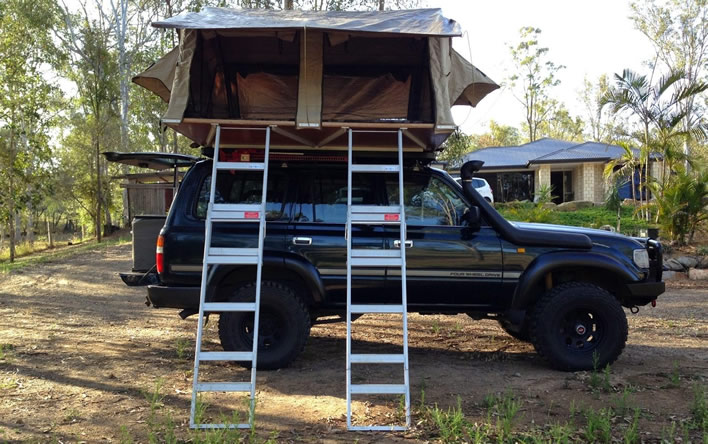
If you are travelling with a rooftop tent, you can set up your sleeping area at an authorised campsite. Travellers using ground tents should check whether the campsite provides suitable pitches, toilets, showers, drinking water, and cooking facilities.
As evening approaches, return to your campsite, prepare dinner where permitted, and relax after a day of wildlife viewing. The grasslands may become quiet, but the surrounding ecosystem remains active. Depending on your location, you may hear distant hyenas, night birds, or other wildlife.
Always remember that you are camping in a wildlife area. Animals may approach campsites, and some sites may not have protective fencing. Follow the instructions of campsite staff and rangers, store food appropriately, and never walk into the bush after dark without authorised guidance.
At dawn, the cool air and changing light create excellent conditions for photography. An early departure can also help you make the most of the morning wildlife activity.
For a convenient camping adventure, consider 4×4 car rental with a rooftop tent in Kenya, particularly if you want a vehicle equipped for longer road journeys and outdoor accommodation.
Things to Know Before Camping in the Maasai Mara
Before booking, confirm the facilities and regulations at your chosen campsite. Public campsites, private campsites, community conservancies, and tented camps may operate under different arrangements.
Check whether your campsite provides:
- Toilets and shower facilities.
- Drinking water.
- Designated cooking areas and fire restrictions.
- Waste disposal facilities.
- Security arrangements and access to rangers.
- Tent hire, mattresses, bedding, or other equipment.
- Vehicle parking and access to game-drive routes.
Do not assume that firewood, meals, bedding, or cooking equipment will be supplied. Ask the campsite operator for a written list of what is included.
Camping fees are generally separate from reserve entry fees, and some private sites require advance reservations or additional security arrangements. Confirm the current charges and payment method before departure.
If you are booking a vehicle independently, also establish whether your rental agreement permits travel into the Maasai Mara and whether the vehicle meets the reserve’s current requirements.
What to Pack for a Maasai Mara Camping Safari
Good preparation makes camping more comfortable and helps you deal with changing weather conditions.
Sleeping equipment: Bring a suitable tent or rooftop tent, a comfortable mattress, sleeping bags, and warm bedding. Temperatures can fall significantly at night and before sunrise.
Food and drinking water: Carry sufficient food and drinking water for the duration of your camping stay. Check whether your campsite has a restaurant or shop, but do not rely on one being available.
Cooking equipment: If self-catering is permitted, pack a suitable stove, cooking utensils, plates, cups, and cleaning supplies. Use open fires only in approved areas.
Lighting and warm clothing: A headlamp, torch, spare batteries, fleece, and waterproof jacket are useful for evenings and early morning game drives.
Sun and insect protection: Bring sunscreen, insect repellent, a wide-brimmed hat, sunglasses, and comfortable closed shoes.
Wildlife viewing equipment: Binoculars and a camera with a suitable zoom lens will help you observe and photograph animals from a safe distance.
Vehicle and safety equipment: For self-drive travel, check the spare tyre, jack, tyre pressure equipment, recovery gear, first-aid kit, and communication arrangements.
If you are renting a camping vehicle, ask whether your package includes a fridge or cooler, a cooking kit, a table and chairs, bedding, and other essential equipment.
A well-equipped 4×4 rooftop tent safari in Kenya can make it easier to combine long road journeys with nights spent at authorised campsites.
Where to Camp in the Maasai Mara
Unlike a destination with four fixed public campsites, the Maasai Mara has several camping areas and accommodation options across the main reserve and surrounding ecosystem. Facilities and booking arrangements differ between the Narok-managed reserve, the Mara Triangle, and private conservancies.
The following examples provide a starting point for planning your stay. Confirm the exact location, access arrangements, and current facilities directly with the operator.
1. Dirisha Campsite
Dirisha Campsite is an option to investigate for visitors interested in camping in the Mara Triangle, the western section of the greater Maasai Mara landscape.
The Mara Triangle is known for expansive grasslands, wildlife viewing, and views of the Mara River region. Its location can be attractive to travellers who want to explore a different part of the ecosystem from the busier eastern sections.
Before booking Dirisha, confirm the current campsite operating arrangements, facilities, vehicle access, and security requirements with the relevant management authority.
This option may appeal to campers who prefer a more intimate outdoor experience rather than a conventional lodge stay.
2. Eluai Campsite
Eluai is another public campsite listed in the Mara Triangle.
A public campsite can be a practical choice for travellers who want to spend more time in the wilderness without paying for a full-service luxury tented camp. However, facilities and services may be basic, so it is important to establish what is available before arrival.
Ask about toilets, water, showers, cooking arrangements, and any required ranger services. You should also check the rules for overnight stays and the latest camping fees.
For independent travellers, Eluai can be worth considering when building an itinerary around wildlife viewing in the Mara Triangle.
3. Hornbill Campsite
Hornbill Campsite is another camping option listed within the Maasai Mara camping network. Its setting in the Mara River region may appeal to travellers who want to combine an outdoor stay with opportunities to explore the surrounding wildlife habitat.
The river landscape is associated with hippos, crocodiles, waterbirds, and wildlife movements through the wider ecosystem. Animal sightings vary by season, and no particular sighting is guaranteed.
Before reserving Hornbill, verify its exact location, current operating status, campsite facilities, and the applicable access and security requirements.
4. Private Campsites and Community Conservancies
Beyond public campsites, the greater Maasai Mara ecosystem contains private and community conservancies offering different styles of accommodation and safari activities.
Some private campsites can be reserved for exclusive use by a group, while other operators offer established tented accommodation with meals and additional services.
Private arrangements may provide greater privacy, but they can cost more and may require advance booking, additional ranger fees, or specific vehicle and guide arrangements.
Some conservancies also permit activities that are restricted in the main reserve, subject to their own rules. If walking safaris or night drives are important to you, confirm which activities are available at your selected accommodation rather than assuming they are permitted throughout the Mara.
For a more comfortable outdoor experience, compare Maasai Mara camping safaris with lodge-based and tented-camp packages before deciding which arrangement best suits your budget.
How Much Does Camping in the Maasai Mara Cost?
The cost of camping depends on the campsite, visitor category, security arrangements, and whether you choose a public or private site.
The following indicative camping rates are published for the main Maasai Mara National Reserve camping system. Confirm them with the relevant authority before travelling, as rates and procedures can change.
| Visitor category | Public campsite per person/night | Private campsite per person/night |
|---|---|---|
| Non-resident adult | US$30 | US$40 |
| Non-resident child/student | US$20 | US$20 |
| East African resident adult | KES 1,000 | KES 1,500 |
| East African resident child/student | KES 200 | KES 500 |
| Kenyan citizen adult | KES 1,000 | KES 1,000 |
| Kenyan citizen child/student | KES 200 | KES 200 |
These figures are indicative, based on published reserve camping information, and may not apply to every campsite or conservancy.
Private campsite reservations may attract a separate booking charge. Ranger services, overnight security, vehicle charges, and other services can also add to the total cost.
Remember to Budget for Reserve Entry Fees
Camping fees are not the same as park or reserve entry fees.
The Maasai Mara National Reserve charges entry fees separately, and non-resident rates can vary by season. Published 2026 information lists a fee of US$200 per adult per day for non-residents from 1 July to 31 December 2026, with a lower rate applying earlier in the year. Children have separate rates and eligibility conditions.
These entry fees are subject to change and should be verified before travel. The Mara Triangle and surrounding conservancies may have different arrangements.
Your overall camping budget should account for:
- Reserve or conservancy entry fees.
- Camping or accommodation charges.
- Vehicle rental and fuel.
- Food and drinking water.
- Camping equipment hire.
- Guide or ranger services where required.
- Boat, balloon, or other separately charged activities, where available.
- Accommodation and transport outside the reserve.
For an accurate estimate, calculate your entry fees according to the number of people, travel dates, and days you plan to spend in the reserve. This is especially important because entry fees can make up a substantial part of a non-resident safari budget.
The Best Time to Go Camping in the Maasai Mara
The Maasai Mara can be visited throughout the year, but the best period for your camping safari depends on your priorities. Some visitors focus on the Great Migration, while others prefer quieter travel periods, green landscapes, or more flexible budgets.
June to October: Wildlife Viewing and Migration Season
The period from June to October is popular for wildlife safaris, with July to October often associated with major stages of the wildebeest migration in the Mara region.
During this period, visitors may see large herds of wildebeest and zebras moving across the plains. River crossings can occur when conditions and herd movements align, but their timing and location are unpredictable.
The drier conditions can also make some tracks easier to navigate. However, the period is popular, so campsites, accommodation, and vehicles should be reserved early.
If witnessing the migration is your priority, allow enough time in your itinerary rather than relying on a single day for a specific wildlife event.
January to February: A Good Alternative for Wildlife Safaris
January and February can be attractive months for exploring the greater Mara ecosystem. Conditions vary from year to year, but visitors may enjoy good wildlife viewing and opportunities to observe predators and grazing animals.
This period is worth considering if you want a safari outside the main migration-focused travel window.
Check the weather, campsite availability, and reserve fees for your exact dates before making a booking.
March to May: Green Landscapes and Rainy Conditions
The long rains generally occur during March to May, although the exact timing and intensity vary.
The grasslands become greener, and the changing landscape can be excellent for photography. However, rain may make some roads muddy and complicate access to certain campsites.
If camping during this period, use waterproof equipment, pack warm clothing, and make sure your vehicle is suitable for the expected road conditions.
A properly equipped 4×4 may be helpful, but it does not guarantee access to every track in poor weather. Always follow the reserve’s directions and avoid unsafe roads.
November to December: Seasonal Changes
November and December can bring changing weather, fresh vegetation, and varying wildlife movements.
These months may appeal to travellers who prefer a different atmosphere from the peak migration period. However, rainfall can affect road conditions, and wildlife sightings depend on where animals are moving at the time.
A flexible itinerary is useful, particularly if your journey includes camping in several parts of Kenya.
Things to Do in the Maasai Mara Besides Camping
Camping provides a base for exploring the Mara, but the region’s wildlife and landscapes offer several memorable safari experiences.
Game Drives
Game drives are the main activity for most visitors. The Mara’s open plains provide opportunities to observe lions, cheetahs, leopards, elephants, buffaloes, giraffes, zebras, and numerous antelope species.
Early morning and late afternoon are often rewarding periods for wildlife viewing. The light can be excellent for photography, and some animals are more active during the cooler parts of the day.
The rules governing independent driving, vehicle specifications, guide requirements, and permitted routes must be checked before your trip. A suitable safari vehicle and a knowledgeable local guide can make a significant difference to both safety and the quality of your experience.
If you plan to travel independently, research self-drive safaris in Kenya carefully and confirm the current Maasai Mara access rules before booking your rental.
Witness the Great Wildebeest Migration
The Great Migration is one of the Mara’s most celebrated natural events. Wildebeest and zebras move through the greater Serengeti–Mara ecosystem in response to rainfall and grazing conditions.
During the Mara phase, travellers may encounter enormous herds spread across the grasslands or gathered near river crossings.
Crossings are not scheduled events. The animals may arrive at a river, wait for hours, change direction, or cross at a different location. A longer stay gives you more opportunities to experience the migration without making unrealistic promises about what you will see.
Hot-Air Balloon Safaris
A hot-air balloon safari offers a different perspective on the landscape, with an aerial view of the plains, rivers, and wildlife below.
Flights generally take place around sunrise and are followed by a landing and a breakfast arrangement, depending on the operator.
Balloon safaris are typically an additional expense and should be booked with an authorised operator. Confirm the departure location, transfers, weight restrictions, and full price before booking.
Birdwatching
The Mara’s grasslands, riverine woodland, seasonal wetlands, and other habitats support a wide range of birdlife.
Birdwatchers may encounter eagles, vultures, storks, secretary birds, hornbills, and numerous smaller species. The precise species you see will depend on location, season, and local conditions.
Carry binoculars and a field guide, and consider travelling with a guide if birdwatching is a major part of your safari.
Cultural Experiences with Maasai Communities
A visit organised through a local Maasai community can provide insight into traditional pastoral life, cultural practices, and the relationship between local communities and wildlife conservation.
Choose respectful, community-led experiences and confirm what is included in the visit. Cultural activities are not automatically included in campsite or reserve entry fees.
Explore the Mara Triangle
The Mara Triangle, on the western side of the greater Mara ecosystem, offers a different setting for wildlife exploration.
Its open plains and river landscapes make it an appealing area for game drives and photography. Access, vehicle requirements, camping arrangements, and fees should be confirmed with the relevant management authority.
Do not assume that a campsite or entry ticket on one side of the Mara automatically covers access to another managed area.
Planning a Maasai Mara Self-Drive Camping Safari
A self-drive camping safari can be an exciting way to explore Kenya, but the Maasai Mara requires careful planning.
First, decide whether you will stay at a public campsite, reserve a private site, or use accommodation in a surrounding conservancy. Your choice will influence your costs, access arrangements, and the activities available.
Next, confirm the current rules governing private vehicles and self-driving in the reserve. Requirements can differ between the main reserve, the Mara Triangle, and private conservancies. Do not assume that an ordinary SUV or any vehicle advertised as a 4×4 will automatically be accepted for game drives.
Before paying for a rental, ask the provider to confirm in writing that the vehicle is permitted for your intended route and that your insurance covers the planned use.
For a camping trip, check whether your vehicle comes with:
- A suitable rooftop tent and mattress.
- Sleeping bags and bedding.
- A fridge or cooler.
- Cooking equipment and utensils.
- A camping table and chairs.
- Appropriate tyres and a serviceable spare wheel.
- Basic recovery equipment.
- Roadside assistance and emergency contact information.
A rooftop tent can be a convenient sleeping arrangement for road trips, but you must still stay at an authorised campsite and comply with the campsite’s safety instructions.
If you are combining the Mara with other Kenyan destinations, allow realistic travel time between locations and confirm where you can camp along the route. You can also explore Kenya 4×4 car rental, Kenya camping safaris, and East Africa self-drive itineraries when planning a longer journey.
Frequently Asked Questions About Camping in the Maasai Mara
1. Can you camp inside the Maasai Mara National Reserve?
Yes. Designated public and private camping options are available in the greater Maasai Mara area, including the Mara Triangle. Availability, facilities, fees, and rules differ by site, so confirm your arrangements with the relevant management authority before travelling.
2. How much does camping in the Maasai Mara cost?
Published indicative rates for the main reserve include US$30 per non-resident adult per night at a public campsite and US$40 at a private campsite. Other visitor categories have different rates. Reserve entry, security, and other charges are separate.
3. Is camping in the Maasai Mara safe?
Camping can be rewarding when visitors use authorised sites and follow the rules. Wildlife may move close to camps, and some areas are unfenced. Follow staff instructions, secure food, avoid walking around after dark, and use authorised ranger services where required.
4. Can I visit the Maasai Mara with a rooftop tent?
A rooftop tent can be useful for a camping road trip, but the vehicle must meet the applicable requirements for the area you intend to visit. Confirm reserve access rules, rental permissions, insurance, and authorised campsite arrangements before departure.
5. Can I self-drive in the Maasai Mara?
Self-driving rules and vehicle requirements must be checked carefully before travelling. Requirements may differ between the main reserve, the Mara Triangle, and surrounding conservancies. Use a compliant vehicle, remain on permitted routes, and follow all instructions from reserve management.
6. When is the best time to camp in the Maasai Mara?
June to October is a popular period for wildlife viewing and the wildebeest migration. January and February can also be attractive, while the rainy seasons bring greener landscapes but potentially more challenging road conditions. The best time depends on your priorities and budget.
7. Can I see the Great Migration while camping?
It is possible to encounter migration herds during a camping safari, depending on the time of year and the herds’ location. River crossings are unpredictable, so allow several days if the migration is a major priority.
8. What should I bring for a Maasai Mara camping safari?
Bring appropriate sleeping equipment, warm clothing, a waterproof jacket, drinking water, food, a torch, insect repellent, sunscreen, binoculars, and a camera. Check the campsite facilities and rental inclusions before deciding which equipment you need to carry.
9. Are night drives permitted in the Maasai Mara?
Night drives are restricted in the main reserve. Some surrounding conservancies offer authorised night drives under their own regulations. If this activity is important to you, choose an accommodation provider that confirms it is permitted in the specific area.
10. Can I combine the Maasai Mara with a Tanzania safari?
Yes. The Maasai Mara and Tanzania’s Serengeti belong to the same wider ecosystem, and travellers sometimes combine the two destinations in one itinerary. However, cross-border travel requires careful planning, including border procedures, vehicle permissions, insurance, and the relevant park fees. A visit to both parks does not automatically permit a rental vehicle to cross the border.
Ready to Camp Under the Maasai Mara Stars?
The Maasai Mara is one of Africa’s most memorable safari destinations, combining open savannah, remarkable wildlife, and the spectacular movements of the Great Migration. Camping gives adventurous travellers another way to appreciate the region, with early mornings on the plains and evenings spent relaxing after a day of exploration.
Whether you are travelling as a couple, with family, or with friends, the right campsite and vehicle can help you create a safari that suits your preferred travel style.
Contact our team to discuss your travel dates, vehicle requirements, camping equipment, and route. We can help you plan a practical camping adventure that combines the freedom of road travel with the extraordinary wildlife of the Maasai Mara.
Pack your camping gear, prepare your camera, and get ready to discover Kenya’s legendary savannah wilderness.