Things to Do in Kenya: The Ultimate Guide to Wildlife, Adventure, Culture and Beaches
Introduction: Discover the Best Things to Do in Kenya
Kenya is one of Africa’s most exciting travel destinations, offering an extraordinary combination of wildlife safaris, dramatic landscapes, cultural heritage, mountain adventures and tropical beaches. Located in East Africa, the country is famous for its expansive savannahs, abundant wildlife, the Great Wildebeest Migration, snow-capped Mount Kenya and the warm waters of the Indian Ocean.
From the world-renowned Maasai Mara National Reserve to the elephant-rich plains of Amboseli National Park, Kenya offers unforgettable opportunities to experience African wildlife in its natural habitat. Travellers can watch lions hunting across the grasslands, observe elephants moving beneath Mount Kilimanjaro, search for endangered rhinos and photograph giraffes, zebras and countless bird species.
However, Kenya is much more than a traditional safari destination. Visitors can hike Mount Kenya, cycle through Hell’s Gate National Park, explore the Great Rift Valley, visit traditional Maasai communities, discover the historic streets of Lamu and relax on the white-sand beaches of Diani and Watamu.
Whether you are planning a short holiday, a family adventure, a photography expedition or a multi-country East African safari, Kenya has experiences for different interests, travel styles and budgets.
This guide explores the best things to do in Kenya, including wildlife viewing, outdoor activities, cultural experiences, scenic destinations and practical travel tips to help you plan your journey.
1. Go on a Wildlife Safari in Maasai Mara National Reserve
A wildlife safari in the Maasai Mara National Reserve is one of the best things to do in Kenya. Located in southwestern Kenya, the reserve is part of the wider Serengeti–Mara ecosystem and is internationally recognised for its wildlife populations, sweeping grasslands and remarkable predator sightings.
The reserve supports lions, leopards, cheetahs, elephants, buffaloes, giraffes, zebras, wildebeest and many other animals. Game drives offer opportunities to observe wildlife in different habitats, from open plains to riverine woodland.
Early morning and late afternoon are particularly rewarding times for game drives because many animals are active during the cooler hours. Experienced safari guides help visitors interpret animal behaviour, locate wildlife and understand the ecological relationships that shape the Mara ecosystem.
One of the reserve’s greatest attractions is the Great Wildebeest Migration. During the migration season, large numbers of wildebeest and zebras move between Tanzania’s Serengeti and Kenya’s Maasai Mara in search of fresh grazing. River crossings may occur when animals encounter rivers along their route, although their timing and location are unpredictable.
Beyond the migration, the Maasai Mara remains rewarding throughout the year. Resident wildlife and predator sightings make it an excellent destination even when the migratory herds are elsewhere.
Best time to visit: July to October is traditionally a popular period for migration viewing, but the herds’ movements depend on rainfall and grazing conditions. Other months can also provide excellent wildlife viewing.
Duration: Allow at least two to three days for a rewarding safari, with longer stays offering more time to explore different areas.
Good to know: Accommodation ranges from budget campsites and tented camps to luxury safari lodges. Park and conservancy fees, vehicle regulations and permitted activities differ, so confirm the arrangements for your chosen accommodation and safari area.
Explore our Kenya wildlife safari packages, Maasai Mara private safari tours and Kenya self-drive safari itineraries to plan your adventure.
2. See Elephants Against Mount Kilimanjaro in Amboseli National Park
Amboseli National Park is one of Kenya’s most iconic safari destinations, celebrated for its large elephant herds and spectacular views of Mount Kilimanjaro, which rises across the border in Tanzania.
The park’s landscapes include open grasslands, acacia woodland, dry plains and wetlands fed by underground water from the Kilimanjaro region. These habitats support elephants, lions, buffaloes, zebras, giraffes, hyenas and numerous bird species.
Elephant viewing is particularly rewarding in Amboseli. Visitors may observe family groups moving across the plains, feeding in the wetlands or gathering near water sources. The park’s open scenery also provides excellent opportunities for wildlife photography.
When the skies are clear, Mount Kilimanjaro creates a dramatic backdrop for photographs of elephants and other wildlife. Early mornings often offer the best chance of seeing the mountain before clouds build around its summit.
Visitors can also explore Observation Hill for panoramic views of the surrounding ecosystem and learn about the relationship between wildlife conservation and the neighbouring Maasai communities.
Best time to visit: The relatively dry periods, particularly June to October and January to February, are often favourable for wildlife viewing. Seasonal rainfall influences the landscape, animal movements and visibility.
Duration: Two days is a useful starting point, while three days allows a more relaxed safari.
Good to know: Amboseli is a particularly attractive destination for families, wildlife photographers and travellers interested in elephants.
Combine the park with Tsavo National Parks, a Kenya and Tanzania safari or a longer East Africa wildlife adventure.
3. Explore Tsavo East and Tsavo West National Parks
Tsavo East and Tsavo West form one of Kenya’s most extensive wilderness regions, offering a safari experience characterised by expansive landscapes, striking geological features and abundant wildlife.
Although both parks belong to the wider Tsavo ecosystem, they have distinct characteristics and attractions.
Tsavo East National Park
Tsavo East is known for its broad open plains, red-earth landscapes and large elephant populations. Elephants often acquire a reddish appearance as they dust themselves with the park’s distinctive soil.
Game drives provide opportunities to see elephants, lions, buffaloes, giraffes, zebras, antelopes and numerous bird species. The Galana River and surrounding vegetation attract wildlife, particularly where water is available during drier periods.
The park’s immense scale creates a sense of wilderness and appeals to visitors who enjoy long game drives through relatively open landscapes.
Tsavo West National Park
Tsavo West offers a more varied landscape of volcanic hills, lava flows, woodland, rocky outcrops and natural springs. Its scenery is particularly attractive to travellers who enjoy combining wildlife viewing with geological and landscape exploration.
One of the park’s best-known attractions is Mzima Springs, where clear water emerges from underground sources and supports hippos, fish and other aquatic life.
The Shetani Lava Flow is another striking feature, revealing the volcanic origins of the surrounding landscape. Wildlife viewing may include elephants, buffaloes, giraffes, lions and other species, although sightings depend on the location, season and time spent exploring.
Best time to visit: The relatively dry seasons are generally favourable for game drives, although both parks offer experiences throughout the year.
Duration: Allow two to four days to explore both parks, depending on your route and interests.
Good to know: Tsavo is well suited to road-based safaris between Nairobi, southern Kenya and the coast. Travellers should plan driving distances carefully because the parks are large and wildlife viewing requires time.
Explore our Tsavo East and West safari packages and Kenya safari and beach holidays for more itinerary ideas.
4. Visit Lake Nakuru National Park for Rhinos and Birdwatching
Lake Nakuru National Park is one of Kenya’s most rewarding destinations for wildlife viewing, birdwatching and scenic photography. Located in the Great Rift Valley, the park surrounds a shallow, alkaline lake framed by wooded hills and open grasslands.
The park is particularly well known for its populations of black and white rhinos. Visitors may also see Rothschild’s giraffes, buffaloes, zebras, waterbucks and other wildlife during game drives.
Birdlife is another major attraction. Depending on water conditions and food availability, the lake can attract flamingos and numerous other waterbirds. The number of flamingos varies considerably, so visitors should not assume that the lake will always be covered in pink.
The surrounding habitats offer further opportunities for birdwatching and wildlife photography, while scenic viewpoints provide excellent views across the lake and the Rift Valley landscape.
Makalia Falls is another attraction within the park, particularly appealing when water flow is strong.
Best time to visit: Lake Nakuru can be visited throughout the year. The relatively dry months often provide favourable game-viewing conditions, while rainfall and lake conditions influence bird distribution.
Duration: A full day is sufficient for a visit, although an overnight stay allows a more relaxed experience.
Good to know: Lake Nakuru is a useful addition to a northern or western Kenya safari circuit, particularly when travelling between Nairobi, Lake Naivasha and the Maasai Mara.
Discover our Kenya rhino safari tours and Lake Nakuru wildlife safari options.
5. Discover Samburu National Reserve and Northern Kenya’s Unique Wildlife
Samburu National Reserve offers a distinctive safari experience in the dry landscapes of northern Kenya. Located along the Ewaso Ng’iro River, the reserve combines arid hills, open plains, riverine forest and rugged scenery.
The reserve is particularly famous for several species commonly grouped together as the Samburu Special Five: the reticulated giraffe, Grevy’s zebra, gerenuk, Somali ostrich and Beisa oryx.
These animals are adapted to dry environments and are not as commonly encountered on many southern Kenya safari routes. Their presence makes Samburu especially appealing to repeat safari travellers, photographers and visitors seeking a different wildlife experience.
The Ewaso Ng’iro River attracts wildlife and provides a vital source of water in the surrounding dry country. Game drives along the river may reveal elephants, crocodiles, hippos and a variety of birds, while lions and leopards may also be seen.
Cultural visits with local Samburu communities can add another dimension to the journey, offering insight into pastoral traditions and life in northern Kenya.
Best time to visit: The drier months can make wildlife easier to locate around water sources, although conditions vary with rainfall.
Duration: Two to three days is recommended for a rewarding stay.
Good to know: Samburu is often combined with Laikipia, Mount Kenya or other northern Kenya destinations for a longer safari.
Consider a Samburu wildlife safari or a Kenya off-the-beaten-path safari if you want to explore beyond the country’s best-known parks.
6. Go Hiking and Trekking on Mount Kenya
Mount Kenya is one of Africa’s most spectacular mountain destinations and the continent’s second-highest mountain after Kilimanjaro. Its dramatic peaks, alpine valleys, glaciers and forested lower slopes create a striking contrast with Kenya’s savannah landscapes.
The mountain attracts trekkers, climbers, nature lovers and photographers. Routes pass through montane forest, bamboo zones, moorland and high-altitude terrain, with scenery changing significantly as hikers ascend.
Point Lenana, at approximately 4,985 metres, is the most commonly targeted trekking summit for non-technical climbers. The highest peaks, Batian and Nelion, require technical mountaineering skills and appropriate equipment.
Popular trekking routes include Naro Moru, Sirimon and Chogoria. Each offers different scenery, trail conditions and logistical considerations. Some itineraries combine routes to create a varied ascent and descent.
Mount Kenya is also important for biodiversity and cultural heritage. Its forests support wildlife, while the mountain has deep cultural significance for several communities in the surrounding region.
Best time to visit: January to March and July to October are commonly favoured for trekking, although mountain weather can change quickly at any time of year.
Duration: Short nature walks can take a few hours, while a Point Lenana trek commonly takes several days.
Good to know: High-altitude trekking requires careful preparation, appropriate clothing, suitable footwear and a gradual ascent where possible. Use experienced guides and confirm the current park and route requirements.
Mount Kenya is an excellent addition to Kenya hiking tours, East Africa mountain trekking holidays and longer adventure itineraries.
7. Hike, Cycle and Explore Hell’s Gate National Park
Hell’s Gate National Park, near Lake Naivasha, is one of Kenya’s most distinctive destinations for outdoor adventure. Its dramatic cliffs, narrow gorges, volcanic formations and open landscapes create a setting very different from the traditional vehicle-based safari.
Unlike many wildlife parks, Hell’s Gate is known for activities that allow visitors to explore on foot or by bicycle along designated routes. Depending on current park regulations and conditions, visitors can enjoy guided hikes, cycling excursions, rock-climbing activities and geological exploration.
Fischer’s Tower is a prominent rock formation and a well-known landmark within the park. The surrounding scenery also includes volcanic features and geothermal activity associated with the wider Rift Valley.
Wildlife sightings may include zebras, giraffes, buffaloes and antelopes. However, visitors should follow park rules, use designated routes and obtain local guidance where required, particularly in areas where potentially dangerous wildlife may be present.
Best time to visit: The park can be explored throughout much of the year, although dry weather is generally more comfortable for cycling and walking.
Duration: Half a day is sufficient for a short excursion, while a full day allows time for several activities.
Good to know: Hell’s Gate is an excellent stop for active travellers and can easily be combined with Lake Naivasha and Mount Longonot.
Include it in a Kenya adventure safari or a Great Rift Valley road trip.
8. Enjoy Boat Rides and Nature Experiences at Lake Naivasha
Lake Naivasha is a freshwater lake in the Great Rift Valley, surrounded by farms, woodlands and scenic landscapes. It is a popular destination for travellers looking to combine wildlife experiences with a relaxing lakeside stay.
Boat excursions provide opportunities to observe hippos in the water and see waterbirds along the shoreline. Depending on conditions and the route, visitors may also spot fish eagles, pelicans, cormorants and other bird species.
Crescent Island is a well-known wildlife destination in the lake area, where guided walking safaris may allow visitors to observe giraffes, zebras, antelopes and other animals in an open landscape. Access and activities should be confirmed before visiting.
The wider Naivasha region also offers cycling, nature walks, lakeside accommodation and excursions to nearby attractions.
Best time to visit: Lake Naivasha is a year-round destination. Morning boat rides can provide attractive light and rewarding birdwatching opportunities.
Duration: Half a day to a full day is ideal, although an overnight stay offers more time to explore the region.
Good to know: Follow the boat operator’s safety instructions, maintain a safe distance from hippos and choose authorised guides for wildlife activities.
Lake Naivasha combines well with Hell’s Gate National Park, Mount Longonot hiking and Kenya camping safaris.
9. Climb Mount Longonot for Panoramic Rift Valley Views
Mount Longonot is a dormant volcano rising from the Great Rift Valley near Lake Naivasha. Its steep slopes, crater rim and sweeping views make it one of Kenya’s most popular day hikes.
The trail climbs from the park entrance through rugged terrain to the crater rim. Hikers with sufficient fitness and time may continue around the rim, where views extend across the crater interior and the surrounding Rift Valley.
The route is steep in places and can be hot and exposed, particularly during the middle of the day. Good footwear, drinking water, sun protection and a reasonable level of fitness are essential.
Unlike a multi-day mountain expedition, Mount Longonot offers a rewarding hiking experience that can be completed in a day, making it suitable for travellers based in Nairobi or Naivasha.
Best time to visit: Cooler morning hours are generally preferable. Dry weather makes the trail easier to manage, although conditions vary throughout the year.
Duration: Allow approximately four to six hours for the hike, depending on pace and whether you complete the crater-rim circuit.
Good to know: Check current park guidance and weather conditions before setting out. Avoid attempting the hike without sufficient water or in unsuitable conditions.
Mount Longonot is a popular addition to Kenya hiking holidays, Nairobi adventure tours and a Great Rift Valley safari itinerary.
10. Visit Nairobi National Park and Explore Kenya’s Capital
Nairobi National Park is a unique wildlife destination located just outside central Nairobi. Its open grasslands, scattered acacia trees and seasonal wetlands create habitat for a variety of wildlife against the backdrop of a modern city.
Game drives may reveal lions, giraffes, zebras, buffaloes, rhinos, antelopes and numerous bird species. The park is particularly appealing to travellers with limited time who want a wildlife experience before or after an international flight.
The park’s location makes it possible to combine a morning safari with city attractions, restaurants, museums and shopping. Visitors can also explore conservation-focused attractions in the wider Nairobi area, subject to opening times and booking requirements.
A visit to Nairobi National Park is not a substitute for an extended wilderness safari, but it offers a remarkable introduction to Kenya’s wildlife without requiring a long journey out of the city.
Best time to visit: Early morning is often favourable for wildlife viewing. The park can be visited throughout the year, although weather and seasonal conditions influence visibility.
Duration: Allow half a day for a game drive, with additional time for other city attractions.
Good to know: Confirm entry arrangements, vehicle requirements and park fees before visiting.
Explore our Nairobi wildlife safari, Kenya short safari packages and Nairobi city tours.
11. Experience Maasai Culture and Community Tourism
Kenya’s cultural heritage is an important part of its appeal. The country is home to many communities with distinct languages, histories, customs, food traditions and ways of life.
Around the Maasai Mara and Amboseli regions, responsible cultural visits may introduce travellers to aspects of Maasai pastoral life, traditional homes, beadwork, music, dance and community conservation initiatives.
The best experiences are those organised with community consent and participation, allowing local people to explain their traditions in their own way and benefit directly from tourism.
Visitors may learn about livestock keeping, local architecture, traditional clothing, food preparation and the relationship between pastoral communities and wildlife landscapes.
Cultural tourism should be approached respectfully. Traditions vary between communities and individuals, so travellers should avoid treating a cultural visit as a performance that represents every aspect of local life. Ask permission before taking photographs and support locally owned enterprises where possible.
Best time to visit: Cultural visits can often be arranged throughout the year, depending on the community and the safari itinerary.
Duration: Allow one to three hours for a guided visit, or longer for a community-led experience.
Good to know: Confirm what is included in the visit and how community participation and benefits are organised.
Add a cultural experience to a Maasai Mara safari, Amboseli wildlife tour or Kenya responsible tourism itinerary.
12. Discover Kenya’s Coastal Beaches and Marine Parks
Kenya’s Indian Ocean coastline provides a beautiful contrast to the country’s inland wildlife destinations. White-sand beaches, turquoise waters, coral reefs, historic towns and traditional Swahili culture make the coast an ideal place to relax after a safari.
Diani Beach
Diani Beach, south of Mombasa, is famous for its long stretch of white sand, palm trees and clear coastal waters. Visitors can enjoy swimming in suitable conditions, snorkelling, diving, kitesurfing and boat excursions.
The area has a wide range of accommodation, from budget guesthouses to luxury beach resorts, making it suitable for couples, families and travellers seeking an extended seaside holiday.
Watamu and Malindi
Watamu is known for its beaches, marine conservation areas and opportunities for snorkelling and diving. Nearby Mida Creek offers a different coastal environment, with mangroves, tidal channels and important bird habitats.
Malindi combines beach relaxation with cultural and historical attractions, restaurants and access to nearby marine environments.
Mombasa and the Swahili Coast
Mombasa offers a mixture of beaches, coastal scenery, historical sites and Swahili heritage. Visitors can explore the Old Town’s architecture and markets, discover Fort Jesus and enjoy local cuisine.
Travellers seeking a slower pace can consider the islands and coastal settlements around Lamu, where traditional Swahili architecture, narrow streets and maritime heritage create a distinctive atmosphere.
Best time to visit: Kenya’s coast is warm throughout the year. Drier periods are generally popular for beach activities, although sea conditions, rainfall and visibility vary by season.
Duration: Allow three to five days for a beach stay, or longer if you want to explore several coastal destinations.
Good to know: Marine activities should be booked with responsible operators, and visitors should follow local advice about currents, tides and marine wildlife.
Explore our Kenya safari and beach holidays, Diani Beach holidays, Watamu marine tours and Kenya coastal road trips.
13. Go Birdwatching in Kenya
Kenya is a rewarding destination for birdwatchers because of its diverse habitats, including savannahs, forests, wetlands, mountains, lakes and coastal ecosystems.
Lake Nakuru is well known for waterbirds, while Amboseli offers birdwatching opportunities around its wetlands. The Maasai Mara supports grassland and woodland species, and the arid regions of Samburu attract birds adapted to dry environments.
Travellers can also explore forest habitats in the central highlands and western Kenya, as well as coastal wetlands and marine environments.
Depending on the location and season, birdwatchers may look for flamingos, fish eagles, hornbills, bee-eaters, turacos, ostriches, weavers and numerous migratory species.
Early mornings are usually productive because birds are active and temperatures are cooler. A local specialist guide can help identify species and select suitable habitats.
Best time to visit: Birdwatching is possible throughout the year. Seasonal rainfall and migratory patterns influence which species are present, while some wetter periods can be especially rewarding for bird diversity.
Duration: A short birdwatching walk can take two to three hours, while a specialist birding safari may last several days.
Good to know: Carry binoculars, a camera if desired, sun protection and a field guide or bird identification app.
Discover our Kenya birdwatching safaris and East Africa birding tours for a more specialised wildlife experience.
14. Explore Kenya’s Forests and Waterfalls
Kenya’s forests provide an alternative to the open savannah landscapes associated with traditional safari holidays. These environments offer cooler walking conditions, scenic trails, birdwatching and opportunities to learn about forest conservation.
The Aberdare region is known for forested mountain slopes, waterfalls, streams and highland scenery. Depending on the route and current access conditions, visitors can enjoy guided walks and nature excursions.
Karura Forest, located in Nairobi, provides a convenient urban nature escape with walking and cycling trails, streams and forest scenery. Ngare Ndare Forest, in central Kenya, is another attractive destination for guided nature experiences, depending on access and local arrangements.
Forest visits can be especially rewarding for travellers who want a break from long game drives or who are interested in Kenya’s plant life and bird diversity.
Best time to visit: Forests can be explored throughout much of the year, although wet weather may make trails slippery. Check local conditions before hiking.
Duration: Allow two to four hours for a short nature excursion, or longer for a full-day hike.
Good to know: Some forests require advance arrangements, local guides or specific entry permissions. Confirm access and trail conditions before travelling.
Combine forest exploration with Kenya nature tours, Aberdare National Park safaris and central Kenya hiking adventures.
15. Discover Kenya’s Historic Towns and Cultural Heritage
Kenya’s history is reflected in its coastal trading towns, museums, archaeological sites, historic buildings and diverse cultural traditions.
Mombasa’s Old Town features narrow streets, carved doors and architectural influences associated with centuries of Indian Ocean trade. Nearby Fort Jesus offers insight into the region’s strategic importance during the Portuguese and subsequent periods of coastal history.
Lamu Old Town is renowned for its Swahili architecture, traditional buildings and long-standing maritime heritage. Walking through its streets reveals a different side of Kenya, shaped by trade, religion, craftsmanship and the movement of people across the Indian Ocean.
In Nairobi, museums and cultural institutions provide opportunities to learn about Kenya’s archaeology, natural history, art and national heritage.
Best time to visit: Historic towns can generally be explored year-round, although cooler morning or late afternoon hours are often more comfortable for walking.
Duration: Allow half a day for a short city heritage visit, or one to two days to explore a coastal town more thoroughly.
Good to know: Dress respectfully when visiting religious or culturally significant places, and consider a local guide to understand the historical context.
Explore our Kenya cultural tours, Mombasa heritage tours and Lamu cultural holidays.
16. Enjoy a Hot-Air Balloon Safari in the Maasai Mara
A hot-air balloon safari offers a different perspective on the Maasai Mara’s vast landscapes. Departing around dawn, the balloon rises above the plains as the early light reveals rivers, grasslands and scattered wildlife.
From the air, visitors may see herds of wildebeest and zebras, elephants moving across the plains and other animals in their natural habitat. Wildlife sightings are never guaranteed, but the elevated perspective creates memorable photographic opportunities.
Balloon safaris are generally followed by a landing and a breakfast experience arranged by the operator. Flights are weather-dependent and may be cancelled or delayed if conditions are unsuitable.
Best time to visit: Balloon flights operate in suitable conditions throughout the year, with the migration season attracting particular interest. Availability and prices vary by operator and location.
Duration: Allow several hours for transfers, the flight and the post-flight experience.
Good to know: Balloon safaris usually cost extra and should be booked in advance. Confirm departure arrangements, weight restrictions, cancellation policies and what is included in the price.
Add this experience to a Maasai Mara luxury safari or a Kenya wildlife photography tour.
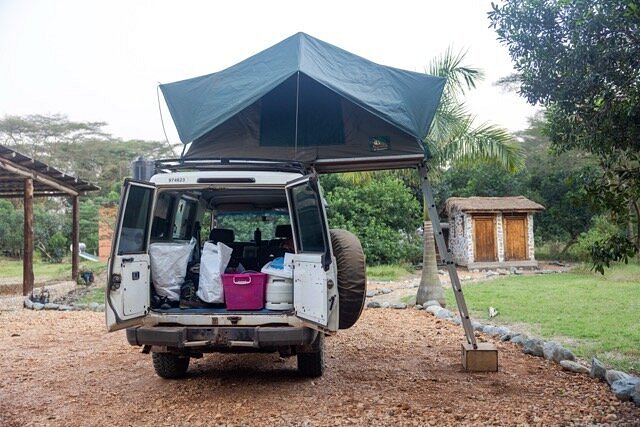
17. Go Camping on a Kenya Safari
Camping is a rewarding way to experience Kenya’s landscapes and wildlife, particularly for travellers who enjoy outdoor adventures and flexible itineraries.
Depending on the destination, visitors can stay at designated public campsites, private campsites or organised safari camps. Some campsites provide basic facilities, while others offer showers, toilets, cooking areas or additional services.
Popular regions for camping adventures include the Maasai Mara area, Lake Naivasha, Amboseli and parts of the Tsavo ecosystem. Access, facilities and rules vary between protected areas, so visitors should confirm the specific arrangements before travelling.
A camping safari may involve a prepared camp with a cook and support team, or a more independent trip using a suitable vehicle and camping equipment. Travellers should understand the difference before booking.
Best time to visit: Camping is possible throughout the year, but relatively dry periods generally make outdoor activities and camp management easier.
Duration: Three to seven days is a useful starting point for a multi-destination camping safari.
Good to know: Use designated campsites, store food securely, follow wildlife safety rules and never walk around a wildlife area at night unless specifically authorised and accompanied by an appropriate guide.
Discover our Kenya camping safaris, Kenya self-drive safari with rooftop tent and 4×4 car rental in Kenya options.
18. Take a Self-Drive Safari Across Kenya
A self-drive safari gives travellers the freedom to explore Kenya at their own pace, stop for photography and plan a route around their interests. It can be particularly appealing to experienced drivers who enjoy road trips and independent travel.
A well-planned route might combine Nairobi, Lake Naivasha, Lake Nakuru and the Maasai Mara, or follow a southern circuit through Amboseli and Tsavo towards the Indian Ocean coast.
The vehicle should be appropriate for the route, road conditions and number of passengers. A suitable 4×4 may be needed for rough tracks, remote areas and certain seasonal conditions, but not every Kenyan journey requires a specialised off-road vehicle.
Travellers should research park entry procedures, vehicle restrictions, fuel availability, accommodation and the distances between destinations. Wildlife viewing must follow park rules, and driving after dark in unfamiliar rural areas should generally be avoided.
Best time to visit: Self-drive trips can be organised throughout the year, although road conditions and seasonal weather may influence the best routes.
Duration: Five to fourteen days allows time to explore several regions without rushing, depending on the distances involved.
Good to know: Confirm your driving documents, rental insurance, cross-border permissions if relevant, roadside support and the vehicle’s recovery equipment before departure.
Explore our Kenya self-drive safari guide, East Africa 4×4 car rental and 4×4 rental with rooftop tent pages to plan an independent adventure.
Best Time to Visit Kenya
Kenya can be visited throughout the year, but weather, wildlife movements and regional conditions influence the best time for particular activities.
January to February: These months are often relatively dry in many safari regions and can provide favourable wildlife viewing. They are also popular for beach holidays and some hiking itineraries.
March to May: This is a major rainy period in many parts of Kenya. Landscapes become greener, but some roads and trails may become muddy. Conditions vary by region.
June to October: This is a popular safari period, with generally favourable conditions in many wildlife destinations. The Great Wildebeest Migration may bring large herds into the Maasai Mara, particularly from July onwards, but the timing changes from year to year.
November to December: Short rains often occur during this period, although their timing and intensity vary. The landscape can be attractive, and wildlife viewing remains rewarding in many areas.
The best travel period depends on your priorities. For migration viewing, consider the Maasai Mara during the months when herds are often present. For elephants and Kilimanjaro scenery, consider Amboseli during relatively clear weather. For beaches, choose dates that suit your preferred sea conditions and outdoor activities.
Practical Tips for Visiting Kenya
Before travelling around Kenya, consider the following recommendations:
- Plan your route realistically: Distances between parks can be substantial, so allow time for driving, rest stops and game viewing.
- Book popular accommodation early: Camps and lodges in high-demand safari areas can fill up during peak periods.
- Check park entry rules: Entry fees, vehicle requirements, opening hours and activity restrictions vary by protected area.
- Pack suitable clothing: Lightweight neutral-coloured clothes are useful on safari, while warm layers are important for early mornings and high-altitude destinations.
- Bring sun protection: A hat, sunscreen, sunglasses and drinking water are essential for many outdoor activities.
- Use appropriate transport: Choose a suitable vehicle and an experienced driver or guide for the terrain and itinerary.
- Respect wildlife: Keep a safe distance from animals, remain in authorised areas and follow your guide’s instructions.
- Carry binoculars: They improve wildlife and birdwatching experiences, especially when animals are far away.
- Check health and entry requirements: Confirm current travel documentation, visa or electronic travel authorisation requirements, and relevant health advice before departure.
- Support responsible tourism: Choose operators that respect wildlife, work fairly with local communities and follow conservation rules.
- Plan for seasonal weather: Rain can affect road conditions, while mountain and coastal environments have their own local weather patterns.
- Keep flexibility in your itinerary: Wildlife sightings, road conditions and outdoor activities can change with weather and other factors.
Frequently Asked Questions About Things to Do in Kenya
1. What are the best things to do in Kenya?
The best activities include wildlife safaris in the Maasai Mara, elephant viewing in Amboseli, exploring Tsavo, rhino watching in Lake Nakuru, hiking Mount Kenya, cycling in Hell’s Gate, visiting Lake Naivasha, experiencing Maasai culture and relaxing on the beaches of Diani and Watamu.
2. How many days do I need to explore Kenya?
Five to seven days is a good starting point for a short safari covering two or three destinations. Ten to fourteen days allows travellers to combine several wildlife parks with hiking, cultural visits or a beach holiday.
3. What is the best time to visit Kenya for a safari?
June to October is popular for wildlife viewing in many safari destinations. The Maasai Mara’s migration season often attracts visitors between July and October, but herd movements depend on rainfall and grazing conditions. Other months can also provide excellent safaris.
4. Can I see the Big Five in Kenya?
Yes. Kenya has destinations where lions, leopards, elephants, buffaloes and rhinos can all be found. However, sightings are never guaranteed, and the likelihood of seeing all five depends on the destination, season and time spent on safari.
5. Is Kenya suitable for a self-drive safari?
Yes, experienced travellers can explore selected routes independently. However, a suitable vehicle, careful route planning, reliable navigation and knowledge of park rules are essential. Remote or challenging areas may be better explored with a professional guide.
6. What are the best beaches in Kenya?
Diani Beach, Watamu, Malindi, Tiwi and the Lamu area are among the country’s popular coastal destinations. They offer different combinations of beaches, water sports, cultural heritage and marine experiences.
7. Can I combine Kenya and Tanzania in one safari?
Yes. Kenya and Tanzania share important wildlife ecosystems, including the Maasai Mara–Serengeti region. Travellers can combine destinations such as the Maasai Mara, Amboseli, Serengeti and Ngorongoro, subject to border formalities, transport logistics and the relevant park fees.
8. Is Kenya good for family holidays?
Yes. Kenya offers family-friendly safari lodges, wildlife experiences, cultural visits and beach resorts. Check age restrictions for particular activities, especially walking safaris, adventure sports and specialised excursions.
9. What should I pack for a Kenya safari?
Pack lightweight neutral-coloured clothing, comfortable walking shoes, a warm layer for early mornings, sun protection, insect repellent, binoculars and a camera. Add waterproof clothing during rainy periods and suitable hiking equipment for mountain trips.
10. Can I combine a Kenya safari with a beach holiday?
Absolutely. Popular combinations include the Maasai Mara and Diani Beach, Amboseli and the coast, or Tsavo East and Tsavo West followed by a few days in Mombasa or Watamu.
Plan Your Kenya Adventure
Kenya offers an exceptional variety of experiences, from the sweeping savannahs of the Maasai Mara and the elephant-filled plains of Amboseli to the rugged wilderness of Tsavo, the mountain trails of Mount Kenya and the white-sand beaches of the Indian Ocean.
Whether you want to witness the Great Wildebeest Migration, discover rare northern wildlife, explore the Great Rift Valley, experience local cultures or travel independently on a self-drive safari, Kenya provides countless opportunities for a memorable East African adventure.
A carefully planned itinerary can combine wildlife, landscapes, culture and relaxation while allowing enough time to enjoy each destination.
Ready to explore Kenya? Contact our team to plan a private wildlife safari, a family holiday, a camping adventure or a self-drive journey.
Discover our Kenya wildlife safari packages, Maasai Mara private safari tours, Kenya self-drive safari itineraries, Kenya camping safaris and East Africa 4×4 car rental options to start planning your trip today.