Meru National Park, Kenya: Complete Guide to Wildlife, Safari Activities, Accommodation and Self-Drive Safaris
Introduction to Meru National Park, Kenya
Set in the wild landscapes of northern Kenya, Meru National Park is one of East Africa’s most rewarding destinations for travellers seeking an authentic African safari away from the busiest tourist circuits. Its diverse scenery includes open savannah, riverine forests, doum palms, wooded grasslands, rocky hills and seasonal watercourses that sustain a remarkable variety of wildlife.
Unlike some of Kenya’s more frequently visited national parks, Meru offers a quieter and more adventurous safari experience. Visitors can explore extensive wilderness areas, follow elephants along riverbanks, search for lions across the grasslands and discover the rich birdlife that thrives in its varied habitats.
The park is home to the Big Five—lion, leopard, elephant, buffalo and rhinoceros—as well as giraffes, zebras, antelopes, hippos, crocodiles and numerous smaller animals. Its combination of wildlife, dramatic landscapes and relatively low visitor numbers makes it an excellent destination for photographers, nature lovers, couples and families seeking a more exclusive safari experience.
Meru National Park is also closely associated with conservation history and the famous story of Elsa the lioness, made internationally known through the work of conservationists George and Joy Adamson and the book and film Born Free. This legacy adds historical significance to an already fascinating wildlife destination.
Whether you want to enjoy guided game drives, explore the scenery around Adamson’s Falls, photograph elephants and rhinos or organise an independent Kenyan safari, Meru offers plenty of reasons to venture beyond the country’s best-known reserves.
This guide covers the park’s location, history, climate, geography, wildlife, best activities, transport options, accommodation and ideal visiting seasons. It also explains how to include Meru in a Kenya self-drive safari or a longer East African road trip.
Location of Meru National Park
Meru National Park is located in eastern Kenya, northeast of Mount Kenya, within the country’s broader Meru and Isiolo region. It lies approximately 350 kilometres by road from Nairobi, although the actual distance and journey time depend on the route, park entrance and traffic conditions.
The park covers approximately 870 square kilometres and forms part of a larger conservation landscape that includes neighbouring protected areas and community-managed lands.
Several rivers and seasonal streams cross the landscape, helping sustain wildlife during the dry months. The Tana River lies to the south of the wider region, while the park’s own waterways and riverine vegetation create important habitats for animals and birds.
Meru’s location makes it a useful destination for travellers exploring central and northern Kenya. It can be combined with Mount Kenya, Samburu National Reserve, Ol Pejeta Conservancy and other destinations, depending on the length of your trip.
Access is through designated park gates, including Murera and Ura, with the most suitable entrance depending on your accommodation and planned route. Confirm the recommended gate and current road conditions before travelling, particularly if you are self-driving.
History of Meru National Park
Meru National Park has an important place in Kenya’s conservation history. The park was established in 1966 to protect its wildlife and distinctive landscapes, including the rivers, forests and grasslands that support its rich biodiversity.
For many years, Meru was regarded as one of Kenya’s remarkable wilderness destinations. Its reputation grew internationally through the story of Elsa, a lioness raised by George and Joy Adamson. Their work in rehabilitating Elsa and helping her return to the wild became the subject of the widely known book and film Born Free.
The story introduced audiences around the world to the challenges of wildlife conservation and the relationship between people and wild animals. It also helped establish Meru as a destination associated with Kenya’s conservation heritage.
During periods of intense poaching and wildlife decline, the park experienced serious conservation challenges. Elephant and rhinoceros populations were particularly affected, and extensive efforts were needed to improve security and restore wildlife numbers.
Conservation programmes, stronger protection measures and the development of a fenced rhino sanctuary have contributed to the park’s recovery. Today, Meru is recognised for its wildlife diversity, conservation significance and opportunities to experience a less crowded safari environment.
The park’s history demonstrates how sustained conservation efforts can help protect important ecosystems while supporting tourism and environmental education.
Climate and Weather in Meru National Park
Meru National Park experiences a warm tropical climate, with conditions influenced by altitude, vegetation and seasonal rainfall. Temperatures are generally warmer than in the highlands around Mount Kenya, and daytime conditions can be hot, particularly during the drier months.
The park has two principal rainy seasons and two comparatively dry periods:
- Long rainy season: Usually March to May.
- Longer dry season: Generally June to September.
- Short rainy season: Usually October to December.
- Shorter dry period: Often January to February.
These periods are approximate, and rainfall patterns can vary from year to year.
During the dry months, vegetation becomes thinner in many areas and wildlife may gather around permanent rivers and water sources. This can improve the chances of spotting animals during game drives, although sightings are never guaranteed.
The rainy seasons bring fresh vegetation, greener scenery and excellent photographic opportunities. However, some tracks may become muddy or difficult to navigate, particularly after heavy rainfall.
Visitors should pack lightweight clothing, a sunhat, sunscreen, comfortable walking shoes and a light waterproof jacket. If you are planning a self-drive safari, check weather forecasts and road conditions before setting out.
Geography and Landscape of Meru National Park
Meru’s landscapes are among its greatest attractions. The park combines open grasslands, wooded savannah, dense riverine vegetation, palm-lined waterways, scattered rocky outcrops and patches of dry woodland.
Unlike the vast, open plains associated with some other Kenyan safari destinations, Meru offers a more varied environment. One moment you may be driving across open grassland, and the next you may be following a winding track beneath trees or beside a river.
The park’s network of rivers and seasonal streams is especially important. These waterways support vegetation, provide water for wildlife and create habitats for birds, hippos and crocodiles.
Doum palms and other drought-adapted plants contribute to the distinctive scenery, while patches of thicker vegetation offer shelter to animals seeking shade during the heat of the day.
The surrounding region also provides views towards the Mount Kenya highlands and the wider landscapes of eastern and northern Kenya.
This variety of terrain makes Meru rewarding for travellers who enjoy exploring different habitats rather than concentrating on one type of scenery. It also supports a broad range of wildlife, from large herbivores to elusive predators and specialised bird species.
Wildlife and Biodiversity in Meru National Park
Meru National Park is an important wildlife conservation area in Kenya. Its varied habitats support large mammals, predators, reptiles and an impressive diversity of birds.
Although wildlife encounters vary with the season and location, the park offers opportunities to see many of the species that make an African safari memorable.
The Big Five in Meru National Park
Meru is home to all five members of the traditional African Big Five: lions, leopards, elephants, buffaloes and rhinoceroses.
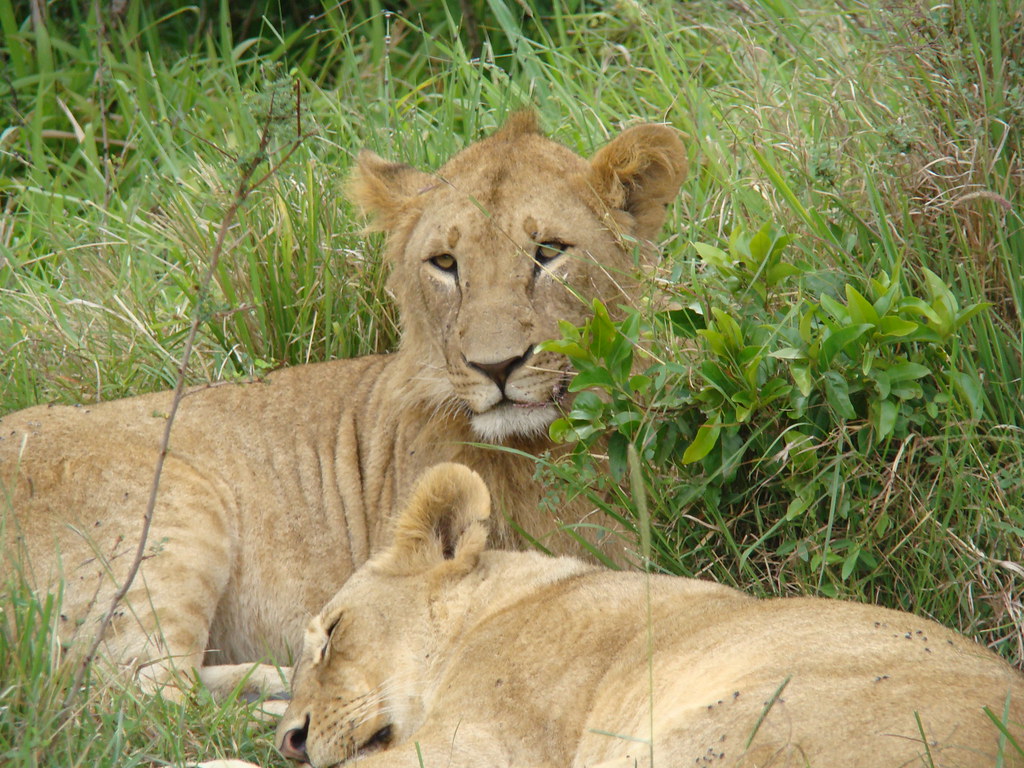
Lions: Lions inhabit the park’s grasslands and wooded areas. Game drives may reveal individuals resting in the shade, moving through the vegetation or searching for prey.
Leopards: These elusive cats are more difficult to spot because they are often active during cooler hours and favour areas with substantial vegetation. Patient observation and an experienced guide can improve your chances.
Elephants: Elephants are among Meru’s most impressive wildlife attractions. They are often encountered moving between feeding areas and water sources, particularly near riverine habitats.
Buffaloes: African buffaloes may be seen grazing in open areas or gathering in herds near water and grassland.
Rhinoceroses: Meru is especially significant for rhinoceros conservation. The park has a protected rhino sanctuary, providing an opportunity to learn about the efforts to safeguard these threatened animals. Sightings depend on the animals’ locations and the permitted viewing areas.
The presence of the Big Five makes Meru an appealing choice for visitors who want a diverse wildlife safari without necessarily travelling to Kenya’s most crowded parks.
Elephants and Other Large Herbivores
Elephants are an important part of Meru’s ecosystem, shaping vegetation and moving between feeding areas, woodland and rivers.
The park also supports giraffes, zebras, hippos and a variety of antelopes. Depending on the habitat and season, visitors may encounter species such as waterbuck, impala, greater kudu and other grazing or browsing animals.
These herbivores play an essential role in the ecosystem, providing food for predators and helping maintain the balance between grassland and woodland.
Early morning and late afternoon game drives are particularly rewarding for wildlife observation, as temperatures are often more comfortable and many animals are active.
Lions, Leopards and Other Predators
Meru’s predator community includes lions and leopards, while other carnivores may be encountered depending on the area and time of day.
The park’s mixture of grassland, woodland and riverine habitat provides different opportunities for hunting and shelter. Lions may be seen resting in shaded areas or moving across open terrain, while leopards are often harder to locate.
Visitors should remain patient and follow their guide’s instructions when observing predators. Never leave your vehicle in unauthorised areas or approach wildlife on foot.
Birdwatching in Meru National Park
Meru is an excellent destination for birdwatching, with a diverse range of species associated with savannah, woodland, riverine forest and wetland habitats.
Bird enthusiasts may encounter hornbills, kingfishers, rollers, bee-eaters, raptors, starlings and many other birds. The park’s varied habitats create opportunities for both experienced birders and casual observers.
Early morning is often the best time to look for birds, when activity is high and temperatures are cooler. Riverbanks and wooded areas can be particularly rewarding, while open grasslands provide opportunities to observe birds of prey and ground-dwelling species.
Bring binoculars and a bird field guide, or arrange an experienced birding guide if you want to focus on particular species.
Reptiles and Other Wildlife
Meru also supports a variety of reptiles and smaller animals. Crocodiles may be seen in suitable waterways, while other reptiles inhabit the park’s grasslands and wooded areas.
Hippos are associated with rivers and pools, where they spend much of the day in the water and often become more active around dusk.
Insects, butterflies and other small creatures contribute to the ecosystem’s diversity, even though they receive less attention than the large mammals.
For visitors who enjoy natural history, observing the smaller details of Meru’s environment can be just as rewarding as searching for the Big Five.
Best Things to Do in Meru National Park
Meru offers a range of safari experiences, from traditional game drives to scenic excursions, birdwatching and visits to locations associated with Kenya’s conservation history.
1. Enjoy Game Drives
Game drives are the main activity in Meru National Park and the best way to explore its extensive landscapes.
Morning drives offer opportunities to see wildlife when temperatures are cooler and many animals are active. Afternoon drives can be equally rewarding, especially when animals emerge from shaded areas to feed or approach water sources.
During a game drive, you may encounter elephants, giraffes, zebras, buffaloes, antelopes and various bird species. Lions, leopards and rhinoceroses are also present, although sightings depend on where the animals are located.
A knowledgeable guide can help identify species, explain animal behaviour and interpret the relationship between wildlife and the surrounding environment.
Visitors on a self-drive safari should use designated tracks, respect speed limits and follow park regulations. Patience is essential: slowing down and observing the landscape often leads to better encounters than rushing between locations.
2. Search for Rhinos in the Sanctuary
Rhinoceros conservation is one of Meru’s most important wildlife stories.
The park’s protected rhino sanctuary provides a secure habitat for these threatened animals and supports wider conservation efforts. Depending on the permitted routes and current viewing arrangements, visitors may have opportunities to see rhinos during their safari.
A rhino encounter is a special experience because these animals face continuing threats from poaching and habitat pressures across parts of Africa.
Follow all guidance from park authorities and your guide. Keep a respectful distance and never attempt to approach a rhinoceros outside authorised viewing conditions.
3. Visit Adamson’s Falls
Adamson’s Falls is one of the park’s notable scenic attractions and is associated with the story of George and Joy Adamson.
The falls provide a striking contrast to the open savannah, with water moving through a rocky landscape surrounded by vegetation. Depending on recent rainfall, the volume of water and the overall appearance of the falls can change considerably.
A visit can add a scenic element to a wildlife-focused itinerary, particularly for travellers interested in photography and the park’s conservation history.
Confirm current access arrangements, road conditions and whether a guided visit is required before including the falls in your plan.
4. Explore the Landscapes Along Meru’s Rivers
Meru’s rivers and streams are among the most important features of its ecosystem. They support vegetation, attract wildlife and create habitats that differ from the park’s open grasslands.
Exploring designated routes near riverine habitats can provide opportunities to observe elephants, birds and other animals. Hippos and crocodiles may also inhabit suitable waterways.
The river areas are particularly attractive to photographers because they combine wildlife, reflections, palms and varied vegetation.
Always follow park rules around water. Do not approach hippos or crocodiles, and never enter rivers or pools unless an activity is specifically authorised.
5. Enjoy Birdwatching
Meru’s birdlife makes it a rewarding destination for travellers who enjoy exploring nature beyond the larger mammals.
The park’s habitats support numerous birds, including species associated with dry woodland, open savannah and riverine vegetation.
Birdwatchers can combine wildlife viewing with short periods of observation along suitable tracks. A pair of binoculars and a bird checklist are useful, while an experienced guide can help identify species by sight and sound.
The early morning hours are often the most productive, particularly when temperatures are cooler and birds are actively feeding.
6. Experience Photography Safaris
Meru’s diverse scenery provides excellent opportunities for wildlife and landscape photography.
Elephants moving through palm-lined habitats, giraffes crossing open grasslands and birds perched beside waterways can all make compelling subjects.
The softer light of early morning and late afternoon is usually preferable for photography. Visitors should also be prepared for changing conditions, from bright open landscapes to shaded woodland.
A camera with a zoom lens is useful for wildlife, while binoculars help locate animals before taking photographs.
Photographers must prioritise safety and respect wildlife. Avoid sudden movements, loud noises or attempts to get closer to animals for a photograph.
7. Discover the Story of Elsa and Born Free
Meru holds a special place in conservation history because of its association with Elsa the lioness and the Adamson family.
The story of Elsa became internationally known through Born Free, helping introduce many people to the challenges of returning captive-raised wildlife to natural environments.
For visitors interested in conservation, this history adds another dimension to the safari. It provides an opportunity to reflect on the changing relationship between wildlife, people and protected areas.
Travellers can learn more about the story through authorised interpretive experiences, conservation resources and information available from local guides.
8. Enjoy a Peaceful Wilderness Experience
One of Meru’s greatest attractions is the feeling of space and relative tranquillity.
Compared with some of Kenya’s busiest safari destinations, visitor numbers in Meru can be lower, depending on the season. This may allow for a more relaxed experience, with time to appreciate the landscape and observe wildlife without the pressure of a crowded itinerary.
The park is well suited to travellers who value a slower pace, wildlife photography, scenic drives and opportunities to spend longer exploring individual areas.
Choose accommodation that allows enough time for morning and afternoon activities rather than trying to cover the entire park in a single day.
How to Get to Meru National Park
Meru National Park can be reached by road from Nairobi and other destinations in central and northern Kenya. Travellers can hire a vehicle with a driver, join an organised safari or arrange a self-drive rental.
Driving from Nairobi to Meru National Park
The journey from Nairobi is approximately 350 kilometres by road, depending on the route and entrance gate. Travel time varies with traffic, stops and road conditions, so allow a substantial part of the day for the drive.
A common approach travels north through the Mount Kenya region towards Meru and then continues to the selected park entrance.
The route offers changing scenery, from busier urban areas to agricultural highlands and increasingly dry landscapes. Travellers may choose to stop along the way, but should allow sufficient time to reach their accommodation before dark.
Before departure, check the current road conditions, confirm the exact location of your lodge and identify the correct entrance gate.
Self-Drive Safari to Meru National Park
A self-drive safari is an appealing way to explore Meru and the surrounding region. It provides flexibility over departure times, overnight stops and the length of time spent at wildlife-viewing locations.
For travellers planning a broader Kenya road trip, Meru can be combined with Mount Kenya, Samburu National Reserve, Ol Pejeta Conservancy and other destinations.
Choosing the right vehicle depends on the number of passengers, luggage, season and intended route. A suitable 4×4 is often a sensible choice for exploring remote safari areas, particularly when conditions are wet or tracks are rough.
Before booking, check that your rental agreement permits travel into national parks and specifies any restrictions on off-road driving. Confirm insurance, breakdown support, spare tyres and recovery equipment where appropriate.
Explore our Kenya 4×4 car rental options and self-drive safaris in Kenya to plan a vehicle-based adventure that suits your travel dates and route.
Travelling by Air
Travellers can also investigate charter flights or scheduled services to airstrips serving the Meru region, subject to current availability and routing.
Air travel can reduce the time spent on the road and may be convenient for visitors combining Meru with other remote safari destinations.
Transfers from the arrival airstrip to the lodge or park entrance should be arranged in advance. Confirm luggage limits, flight schedules and transfer costs before booking.
Visiting Meru as Part of a Longer Kenya Safari
Meru is well suited to a multi-destination itinerary. Depending on your available time, you can combine the park with central Kenya’s highlands, northern Kenya’s wildlife reserves or other major safari destinations.
For a longer journey, explore Kenya wildlife safari itineraries and East Africa self-drive safaris to plan a route that balances driving time, wildlife viewing and relaxation.
Best Time to Visit Meru National Park
Meru is a year-round safari destination, but seasonal changes influence the scenery, road conditions and wildlife-viewing experience.
June to September: The Main Dry Season
The middle of the year is often a good time to visit Meru. As rainfall decreases, vegetation may become less dense and wildlife can be easier to locate around rivers and other water sources.
These months are suitable for game drives, wildlife photography and travellers who want to combine Meru with other Kenyan safari destinations.
Book accommodation and any specialist activities in advance, particularly if your itinerary includes several popular parks.
January and February: Hot and Relatively Dry
January and February are generally hot and comparatively dry in much of the region.
Game drives can be rewarding, especially in the early morning and late afternoon. Visitors should carry sufficient drinking water, use sun protection and avoid strenuous outdoor activities during the hottest part of the day.
Conditions vary locally, so check the forecast before travelling.
March to May: The Long Rains
The long rainy season brings greener landscapes and fresh vegetation. It can be a rewarding time for scenery and photography, although heavy rainfall may make some tracks more difficult to navigate.
A 4×4 vehicle can be helpful when road conditions deteriorate, but no vehicle should be driven on a route that park authorities consider unsafe or closed.
Travellers should maintain flexible schedules and confirm conditions with their accommodation or park authorities.
October to December: The Short Rains
The short rains usually occur between October and December, although the timing and intensity vary from year to year.
The park may become greener, and the landscape can be especially attractive for photography. However, rain can affect access to some areas and wildlife-viewing routes.
Visitors should carry rain protection and confirm road conditions before each game drive.
When Is the Best Time for Wildlife Viewing?
For travellers prioritising game viewing, the drier months are often a good choice because animals may concentrate around reliable water sources and vegetation may be less dense.
However, wildlife sightings are never guaranteed, and Meru’s diverse habitats offer rewarding experiences throughout the year.
For the most comfortable game drives, plan activities for early morning and late afternoon, when temperatures are generally cooler.
Accommodation in and Around Meru National Park
Meru National Park and its surrounding region offer accommodation ranging from luxury safari lodges and tented camps to more affordable camps and guesthouses.
Your choice should depend on your budget, preferred level of comfort, planned activities and the location of your chosen entrance gate.
Elsa’s Kopje
Elsa’s Kopje is a well-known luxury safari lodge associated with Meru’s conservation heritage and the story of Elsa the lioness.
Set in a scenic rocky landscape, the lodge offers an elevated wilderness setting and a safari experience focused on comfort, wildlife viewing and the park’s history.
It is particularly appealing to visitors seeking a special-occasion safari or a high-end stay in a relatively remote environment.
Rhino River Camp
Rhino River Camp is an accommodation option in the wider Meru region, suited to travellers seeking a nature-focused safari stay.
Before booking, confirm the property’s current operating status, location, room types, meal arrangements and access to the park’s main activities.
Ikweta Safari Camp
Ikweta Safari Camp is another option to investigate when planning a visit to Meru National Park. Its suitability depends on your route, accommodation preferences and the current services offered.
Confirm the distance to your intended park entrance and ask about transport arrangements if you are not travelling in your own rental vehicle.
Other Lodges and Camps
Additional lodges, camps and guesthouses serve the wider Meru region. Some may be better suited to travellers seeking a simple overnight stop, while others offer a more complete safari experience with meals and organised game drives.
When comparing accommodation, consider the following:
- Distance from the park entrance and your planned wildlife-viewing areas.
- Whether meals and drinking water are included.
- Availability of guided game drives.
- Road access during the rainy season.
- Whether secure parking is available for self-drive travellers.
- Cancellation terms and any additional park or activity charges.
Accommodation availability and services can change, so confirm all details directly before travelling.
Suggested Meru National Park Safari Itinerary
A two- or three-day stay allows visitors to enjoy several game drives while appreciating the park’s landscapes and conservation history.
Day 1: Nairobi to Meru National Park
Depart Nairobi in the morning and drive north towards Meru, allowing time for traffic, refreshments and rest stops along the way.
Arrive at your accommodation, check in and relax before your first safari activity if time and park operating arrangements permit.
If you arrive later in the day, enjoy the lodge’s surroundings and prepare for an early game drive the following morning.
Overnight near or within the park, according to your booking.
Day 2: Full-Day Wildlife Safari in Meru
Start early with a game drive through the park’s savannah and wooded habitats. Search for elephants, giraffes, zebras, buffaloes, antelopes and the park’s predators.
Depending on your route and current access conditions, explore riverine habitats and consider a visit to Adamson’s Falls.
Return to your lodge for lunch or a planned picnic where permitted. Continue with an afternoon game drive when temperatures become cooler and wildlife activity increases.
Overnight in the Meru area.
Day 3: Morning Game Drive and Departure
Enjoy a final early-morning game drive, making the most of the quieter hours before returning to your accommodation for breakfast.
Begin the journey to Nairobi or continue to your next destination, such as Samburu, Ol Pejeta or the Mount Kenya region.
This itinerary is a suggested outline. Confirm park opening hours, gate access, driving distances, activity arrangements and accommodation location before finalising your trip.
Practical Travel Tips for Visiting Meru National Park
Good preparation will help you enjoy Meru safely and comfortably.
Pack for warm weather: Bring lightweight clothing, a sunhat, sunscreen, sunglasses and comfortable footwear.
Carry sufficient drinking water: Game drives can be long, and temperatures may rise considerably during the day.
Bring binoculars and a camera: These are useful for spotting animals at a distance and enjoying Meru’s birdlife.
Plan around the heat: Early mornings and late afternoons are often the most comfortable times for game drives.
Check road conditions: Rain may make some tracks slippery or impassable. Confirm conditions before entering remote areas.
Choose an appropriate vehicle: A suitable 4×4 can be helpful for a self-drive safari, particularly when travelling in wet conditions or on rough tracks.
Respect wildlife: Maintain a safe distance, follow park rules and never feed or attempt to approach wild animals.
Stay on designated tracks: Do not drive off-road unless expressly permitted by park authorities.
Book accommodation in advance: This is especially important if you want to stay inside or close to the park.
Carry essential supplies: Keep your phone charged, carry a basic first-aid kit and ensure you have the relevant emergency and accommodation contact details.
Combine Meru National Park with Other Kenya Safari Destinations
Meru’s location makes it a valuable addition to a longer Kenyan adventure. Combining different parks allows visitors to experience a wider range of wildlife habitats, landscapes and cultural environments.
Samburu National Reserve
Samburu is known for its distinctive northern Kenya wildlife, including Grevy’s zebra, reticulated giraffe, gerenuk and Beisa oryx. It is an excellent addition for travellers who want to explore a different ecosystem after Meru.
Ol Pejeta Conservancy
Ol Pejeta is renowned for its wildlife conservation work, including its role in rhinoceros protection. It is a rewarding destination for visitors interested in conservation and wildlife experiences.
Mount Kenya
Mount Kenya offers mountain scenery, hiking opportunities and cool highland landscapes. Combining it with Meru creates a contrast between forested highlands and warm savannah habitats.
Read more about visiting Mount Kenya.
Maasai Mara National Reserve
The Maasai Mara is one of Kenya’s most famous wildlife destinations, known for its large predator populations and the seasonal wildebeest migration.
If you have sufficient time, combine Meru’s quieter wilderness with the Mara’s expansive savannah and renowned game-viewing opportunities.
Explore Maasai Mara safari itineraries.
Nairobi National Park
Nairobi National Park is a convenient option for travellers beginning or ending a Kenya safari in the capital. It offers an opportunity to see wildlife against the backdrop of Nairobi’s urban skyline.
Discover Nairobi National Park safari experiences.
A well-planned Kenya self-drive safari itinerary can combine Meru with several of these destinations, depending on your available time, budget and preferred travel pace.
Plan Your Meru National Park Adventure
Meru National Park offers a memorable safari experience for travellers who want to discover Kenya’s wildlife in a varied and comparatively tranquil wilderness setting.
From elephants moving through riverine vegetation to lions resting in the shade, rhinos protected by conservation programmes and birds inhabiting the park’s diverse landscapes, Meru offers much more than a conventional game drive.
Its connection to the story of Elsa the lioness adds historical depth, while its rivers, rocky hills and open grasslands create a beautiful setting for photography and nature exploration.
Whether you plan a short wildlife escape or a longer journey through Kenya’s national parks, Meru deserves consideration as part of your itinerary.
For independent travellers, a self-drive safari in Kenya provides flexibility to explore at your own pace, combine different wildlife destinations and stop at scenic locations along the way.
Start planning your Kenya safari today. Explore our Kenya 4×4 car rental options, learn more about self-drive safaris in Kenya, or enquire about a customised East Africa self-drive safari] that includes Meru National Park.
Contact our team with your travel dates, number of travellers, preferred vehicle and planned route. We can help you choose a suitable rental vehicle and plan a safari adventure around your interests.
Frequently Asked Questions About Meru National Park
1. Where is Meru National Park located?
Meru National Park is in eastern Kenya, northeast of Mount Kenya. It is approximately 350 kilometres by road from Nairobi, depending on the route and entrance gate.
2. What is Meru National Park famous for?
Meru is known for its diverse wildlife, relatively quiet safari environment, riverine landscapes, rhinoceros conservation and its connection to Elsa the lioness and the story of Born Free.
3. Can you see the Big Five in Meru National Park?
Yes. Meru is home to lions, leopards, elephants, buffaloes and rhinoceroses. However, sightings depend on wildlife movements, habitat conditions and the time spent exploring the park.
4. How many days do you need in Meru National Park?
Two to three days is a useful starting point for enjoying several game drives and exploring the park’s main attractions. Longer stays allow more time for wildlife observation, photography and a relaxed safari experience.
5. What is the best time to visit Meru National Park?
June to September and the relatively dry months of January and February are often good periods for wildlife viewing. Meru can be visited throughout the year, but rainfall may affect track conditions and access to certain areas.
6. Can I visit Meru National Park on a self-drive safari?
Yes. Visitors can explore Meru with a suitable rental vehicle, subject to park rules and access requirements. A 4×4 is often a sensible choice for a safari itinerary, particularly during wet conditions or when using rougher tracks.
7. Is Meru National Park good for families?
Meru can be an excellent destination for families interested in wildlife and nature. Families should choose accommodation and activities suitable for their children’s ages and follow all safety requirements for game drives.
8. Can I see rhinos in Meru National Park?
Meru has a protected rhinoceros sanctuary. Rhino sightings may be possible during authorised wildlife-viewing activities, but they are not guaranteed. Visitors must follow park rules and maintain a safe distance.
9. What is Adamson’s Falls famous for?
Adamson’s Falls is a scenic attraction associated with the history of George and Joy Adamson and their conservation work. It offers a different landscape experience from the park’s open grasslands, although access and water levels vary with conditions.
10. Where should I stay when visiting Meru National Park?
Accommodation options include safari lodges, tented camps and guesthouses in the wider region. Choose a property based on your budget, preferred comfort level, planned activities and distance from the park entrance you intend to use.
11. Can I combine Meru National Park with Samburu?
Yes. Meru and Samburu can be combined in a longer Kenya safari, offering contrasting landscapes and wildlife experiences. Plan your driving times and overnight stops carefully.
12. What should I pack for Meru National Park?
Pack lightweight clothing, sun protection, comfortable shoes, binoculars, a camera, drinking water and a light rain jacket. For a self-drive safari, check your vehicle’s spare tyres, emergency equipment and recovery provisions.
13. Is Meru National Park crowded?
Meru is often quieter than some of Kenya’s most popular safari destinations, although visitor numbers vary by season. This can make it attractive to travellers seeking a more relaxed wildlife experience.
14. Can I include Meru in an East African self-drive safari?
Yes, Meru can form part of a wider East African road trip. If you intend to cross international borders, confirm vehicle authorisation, insurance coverage, immigration requirements and border procedures with your rental provider before booking.