Essential Tips for Preparing for a Kenya Great Migration Safari
Introduction: Preparing for an Unforgettable Kenya Great Migration Safari
There are wildlife experiences that leave you with beautiful photographs, and then there are those that create memories you will treasure for a lifetime. The Great Wildebeest Migration in Kenya belongs to the latter category. It is one of the most spectacular wildlife events on Earth, attracting nature enthusiasts, wildlife photographers and safari travellers from every corner of the world.
Imagine standing on the open plains of the African savannah as thousands of wildebeest move across the landscape, accompanied by zebras and gazelles. In the distance, dust rises above the grasslands as enormous herds move towards fresh grazing grounds. Predators follow closely, waiting for opportunities to hunt, while crocodiles patrol the rivers where migrating animals gather to cross.
This extraordinary natural event is commonly known as the Great Wildebeest Migration, and Kenya’s Maasai Mara National Reserve is one of its most famous destinations.
The migration is part of a continuous annual movement involving approximately 1.5 million wildebeest, hundreds of thousands of zebras and large numbers of gazelles across the Serengeti-Mara ecosystem. The animals move between Tanzania’s Serengeti National Park and Kenya’s Maasai Mara in search of fresh grass and water.
Although the migration takes place throughout the year, Kenya is particularly famous for the dramatic river crossings that usually occur between July and October. During this period, enormous herds gather along the Mara River before attempting to cross waters inhabited by large Nile crocodiles.
However, planning a successful Great Migration safari requires more than simply booking a flight to Kenya. Understanding seasonal movements, selecting the right accommodation, arranging suitable transportation and choosing experienced safari guides can significantly improve your chances of enjoying an exceptional wildlife experience.
Whether you are planning a private Maasai Mara safari, a luxury migration holiday or a longer Kenya and Tanzania wildlife adventure, proper preparation is essential.
Here are the most important things to know before setting off on your Kenya Great Migration safari.
1. Choose Your Great Migration Safari Destination Wisely
Your first important decision is selecting the right destination for your Great Migration safari. Although the migration moves through both Tanzania and Kenya, each destination offers different wildlife experiences depending on the season.
Kenya’s Maasai Mara is particularly famous for its enormous concentrations of migrating wildebeest and dramatic river crossings, while Tanzania’s Serengeti protects the larger part of the migration’s annual grazing and calving grounds.
Understanding the relationship between these destinations will help you select the best safari itinerary.
Kenya’s Maasai Mara National Reserve
Maasai Mara National Reserve is Kenya’s most famous destination for witnessing the Great Wildebeest Migration.
Located in southwestern Kenya, the reserve forms part of the wider Serengeti-Mara ecosystem and provides extensive grasslands, riverine forests and rolling savannah landscapes.
The reserve is particularly famous for its large populations of lions, elephants, leopards, cheetahs, buffaloes, giraffes, zebras and wildebeest.
During the migration season, the Mara plains receive enormous herds of wildebeest and zebras arriving from Tanzania’s Serengeti ecosystem.
One of the greatest attractions is the Mara River crossing, where thousands of wildebeest may gather along the riverbanks before attempting to reach the opposite side.
These crossings are unpredictable. Herds may spend hours or even days gathering near the river before making their move. When the crossing finally begins, the scene can be extraordinary, with animals jumping into the water while crocodiles wait below the surface.
Maasai Mara is an excellent choice for travellers who want to experience the dramatic side of the Great Migration while enjoying exceptional Big Five wildlife viewing.
The Mara Triangle
The Mara Triangle is an important conservation area situated within the western section of the Maasai Mara ecosystem.
It is particularly famous for its beautiful open plains, wildlife concentrations and access to sections of the Mara River.
The area offers excellent opportunities to observe migrating wildebeest, lions, cheetahs, elephants and other wildlife.
The Mara Triangle is managed separately from the main reserve, with its own entry arrangements and conservation management.
For travellers seeking a quieter safari experience and excellent photography opportunities, the Mara Triangle is an attractive option.
Private Conservancies Around Maasai Mara
Beyond the main national reserve, several private conservancies provide additional opportunities to experience the Maasai Mara ecosystem.
These conservancies generally operate under controlled tourism arrangements and may offer activities that are restricted or limited within the main reserve, depending on their individual rules.
Some popular conservancies include:
- Mara North Conservancy.
- Olare Motorogi Conservancy.
- Naboisho Conservancy.
- Ol Kinyei Conservancy.
- Lemek Conservancy.
These areas are particularly attractive to travellers seeking exclusive accommodation, smaller visitor numbers and personalised safari experiences.
Some conservancies also offer guided walking safaris and night game drives where permitted.
Tanzania’s Serengeti National Park
Although this article focuses on Kenya, understanding Tanzania’s Serengeti is important because the Great Migration does not begin or end in the Maasai Mara.
Serengeti National Park protects a vast section of the migration ecosystem and is famous for its extensive grasslands, wildlife populations and spectacular annual movements of wildebeest.
The migration moves through different parts of the Serengeti throughout the year.
During the early months, enormous herds gather in the southern Serengeti and Ndutu areas, where wildebeest calving takes place.
Later in the year, the herds move through the central and western Serengeti before heading towards the northern Serengeti and eventually crossing into Kenya’s Maasai Mara.
For travellers with additional time, combining Kenya’s Maasai Mara and Tanzania’s Serengeti National Park provides a more comprehensive Great Migration safari.
2. Choose the Best Time for the Kenya Great Migration
One of the most important decisions when planning a Kenya Great Migration safari is selecting the right travel period.
Unlike seasonal wildlife events that take place at a fixed location, the Great Migration is a continuous movement influenced by rainfall, fresh grazing and water availability.
The timing of the herds’ arrival in Kenya can vary from one year to another.
Nevertheless, July to October is generally considered the main Kenya migration season.
January to March: Calving Season in Tanzania
Although these months are not the main Kenya migration period, they are an excellent time to begin a longer East African safari in Tanzania.
During this period, large numbers of wildebeest gather in the southern Serengeti and Ndutu region, where calving takes place.
Thousands of calves are born during a relatively short period, attracting predators such as lions, cheetahs, leopards and hyenas.
Travellers interested in witnessing the beginning of the migration cycle can combine the southern Serengeti with other northern Tanzania safari destinations.
April to June: The Migration Moves Towards Western and Central Serengeti
As the seasonal rains influence grazing conditions, the migrating herds gradually move away from the southern plains towards the western and central Serengeti.
During this period, the herds can form enormous columns stretching across the grasslands.
Predators continue following the migration, creating opportunities for exciting wildlife encounters.
Although this period is not traditionally associated with Kenya’s main river crossings, it offers an excellent opportunity to experience the migration in Tanzania.
July to October: The Main Kenya Great Migration Season
This is generally the most popular period for travellers hoping to experience the Great Migration in Kenya.
Large herds move into the Maasai Mara ecosystem, where fresh grazing attracts wildebeest and zebras across the reserve and surrounding conservancies.
The Mara River crossings are among the biggest attractions during this period.
However, river crossings are natural events and cannot be guaranteed on a particular day. Some herds cross quickly, while others gather along the riverbanks for extended periods.
Travellers should ideally spend several nights in the Maasai Mara to increase their opportunities for witnessing migration activity.
November to December: The Herds Begin Returning Towards Tanzania
As seasonal rainfall changes grazing conditions, many migrating wildebeest gradually begin moving southwards from the Maasai Mara towards Tanzania’s Serengeti ecosystem.
This period can still offer excellent wildlife viewing in Kenya, although the concentration of migrating herds may vary.
The return movement is an interesting opportunity for travellers who want to explore the broader migration cycle without necessarily travelling during the busiest months.
Important: These months are general seasonal patterns, not fixed migration dates. Rainfall and grazing conditions influence the actual movements each year.
3. Book Your Maasai Mara Accommodation Early
Accommodation is one of the most important considerations when planning a Great Migration safari.
During the peak migration months, particularly July, August and September, demand for safari lodges and tented camps around Maasai Mara increases considerably.
Some of the most desirable properties become fully booked months in advance, especially those located near the Mara River and popular wildlife-viewing areas.
Your choice of accommodation can influence the overall safari experience because it determines your location, accessibility to wildlife areas and the amount of time spent travelling between game-viewing locations.
Luxury Safari Lodges
Luxury lodges around Maasai Mara offer spacious accommodation, high-quality dining, swimming pools, private viewing decks and personalised safari services.
They are particularly suitable for honeymooners, families and travellers looking for a premium wildlife holiday.
Mid-Range Safari Camps
Mid-range tented camps provide a comfortable balance between affordability and safari experience.
Many offer en-suite tents, restaurant facilities, comfortable beds and convenient access to wildlife-viewing areas.
They are a popular choice for couples, families and small private safari groups.
Budget Camps and Lodges
Travellers with limited budgets can find more affordable accommodation options around the Maasai Mara ecosystem.
These facilities provide basic but practical accommodation for visitors who want to spend more of their budget on game drives and wildlife experiences.
Choose Accommodation According to Location
Before booking, consider the location of your lodge in relation to your planned game drives.
For example, accommodation within or close to the Mara Triangle may be suitable for travellers interested in exploring its wildlife areas and sections of the Mara River.
Similarly, camps in the northern and eastern conservancies may provide convenient access to different sections of the ecosystem.
Do not select accommodation based on price alone. Consider park access, transfer distances, included game drives, meals and the quality of guiding services.
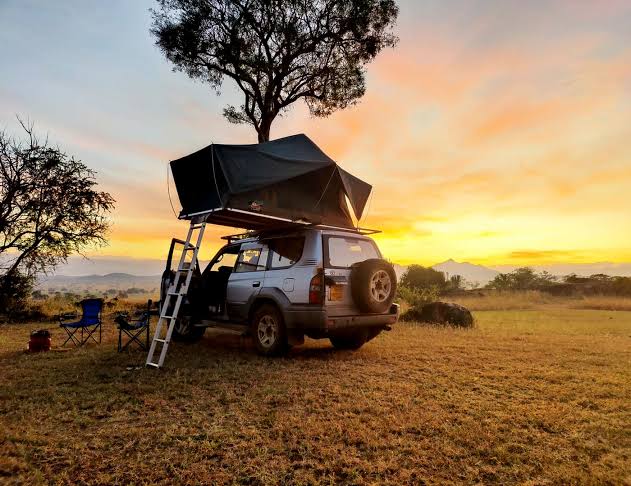
4. Choose the Right Safari Vehicle and Prepare for Game Drives
A Kenya Great Migration safari involves considerable time exploring open savannah landscapes, riverbanks and wildlife corridors.
Your safari vehicle is therefore one of the most important elements of the experience.
A good safari vehicle provides comfort, visibility, photography opportunities and reliable access to wildlife-viewing areas.
Choose a Proper 4×4 Safari Vehicle
The Maasai Mara has extensive unpaved roads and tracks, some of which become challenging during rainy conditions.
A reliable 4×4 safari vehicle is highly recommended, particularly for travellers planning extensive game drives.
Popular safari vehicles include:
- Toyota Land Cruiser extended safari vehicles.
- Toyota Land Cruiser 4×4 vehicles with pop-up roofs.
- Custom-built Land Cruiser safari vehicles.
- Other suitable four-wheel-drive safari vehicles approved for the intended routes.
Pop-Up Roof for Wildlife Viewing
A pop-up roof is an important feature for photography and wildlife observation.
It allows passengers to stand safely inside the vehicle and enjoy elevated views of animals across the open plains.
It also provides opportunities for taking photographs without obstructed views.
Private Safari Vehicle or Shared Game Drives?
Travellers can choose between private and shared safari arrangements.
A private safari vehicle provides flexibility because you can organise game drives around your interests, spend more time at wildlife sightings and travel at your preferred pace within park regulations.
Shared game drives are generally more affordable and allow travellers to share transportation costs with other visitors.
For photographers, families and couples seeking a personalised experience, a private Kenya wildlife safari is often an excellent option.
5. Prepare Your Photography Equipment
The Great Migration is one of the world’s most photographed wildlife events.
From enormous herds crossing the open plains to dramatic predator-prey interactions, the Maasai Mara offers exceptional opportunities for wildlife photography.
However, capturing good photographs requires more than simply bringing a camera.
You should prepare your photography equipment according to the type of wildlife images you want to capture.
Camera and Telephoto Lens
A camera with a suitable telephoto lens is particularly useful for photographing wildlife from a safe distance.
A lens in the 100–400mm or 150–600mm range can be helpful, depending on your camera system and photography preferences.
Extra Batteries and Memory Cards
Game drives can last several hours, and photographing large herds can quickly fill memory cards.
Bring extra batteries, memory cards and a reliable storage solution for backing up your photographs.
Binoculars
Binoculars are useful for observing animals at a distance, particularly when predators are resting in tall grass or when herds are spread across the plains.
Protect Your Equipment from Dust
The dry-season roads can produce considerable dust during game drives.
A camera bag, protective covers and lens-cleaning equipment help protect your photography equipment.
Photography Etiquette
Always follow your guide’s instructions and respect wildlife-viewing regulations.
Avoid making unnecessary noise, blocking other safari vehicles or pressuring guides to approach animals too closely.
Never compromise animal welfare or personal safety for a photograph.
6. Understand Wildlife Behaviour and the Great Migration
The Great Migration is not simply about watching wildebeest move across the plains. It is an extraordinary ecological event involving several wildlife species and the natural relationships between predators, prey and the environment.
Understanding the behaviour of migrating animals can help you appreciate the experience more deeply.
Wildebeest Migration
Wildebeest are the principal animals involved in the annual migration.
They move in large herds across the Serengeti-Mara ecosystem, following seasonal grass growth and water availability.
Their movements are influenced by rainfall patterns, which determine where fresh grazing becomes available.
Zebra Migration
Zebras are frequently seen travelling alongside wildebeest.
Their grazing habits differ slightly from those of wildebeest, allowing them to make use of different vegetation in the same ecosystem.
Their presence adds to the extraordinary wildlife concentrations during migration season.
Gazelles
Thomson’s gazelles and other antelope species are also part of the wider migration ecosystem.
They provide additional prey opportunities for predators and contribute to the biodiversity of the Maasai Mara.
Predators of the Maasai Mara
The migration attracts large concentrations of predators, making the Maasai Mara an excellent destination for observing natural hunting behaviour.
Important predators include:
- Lions.
- Leopards.
- Cheetahs.
- Spotted hyenas.
- African wild dogs in suitable areas.
The presence of predators does not mean that every game drive will include a hunt. However, the abundance of migrating herbivores creates excellent opportunities for observing predator activity.
Crocodiles and the Mara River Crossings
The Mara River crossings are among the most dramatic highlights of the Great Migration.
Large Nile crocodiles inhabit sections of the river and may prey on animals attempting to cross.
However, crossings are unpredictable, and not every herd gathering results in an immediate crossing.
Patience is essential when planning to witness this extraordinary natural event.
7. Pack the Right Clothing and Safari Equipment
Packing appropriately can make your Kenya Great Migration safari more comfortable.
The Maasai Mara experiences different weather conditions throughout the year, with cool mornings, warm afternoons and occasional rainfall.
Game drives often begin early in the morning, when temperatures can be relatively low.
Here are some important items to include in your packing list.
Lightweight Safari Clothing
Pack comfortable, breathable clothing in neutral colours such as khaki, brown, olive and beige.
These colours are practical for safari activities and help reduce visible dust.
Warm Jacket or Fleece
Early morning game drives can be cold, particularly during June, July and August.
A warm jacket or fleece is useful for keeping comfortable before the sun rises.
Comfortable Walking Shoes
Bring comfortable closed shoes suitable for walking around lodges, camps and designated areas.
Sun Protection
A wide-brimmed hat, sunglasses and sunscreen are essential for protecting yourself against the strong African sun.
Insect Repellent
Insect repellent is useful, particularly during the wetter months and around riverine vegetation.
Camera and Binoculars
These are important for observing and photographing wildlife across the open plains.
Personal Medication and Toiletries
Bring any necessary personal medication, toiletries and basic travel essentials.
Travel Documents
Ensure that you have your passport, relevant visa or travel authorisation, travel insurance documents and safari booking confirmations.
8. Understand Maasai Mara Park Fees and Safari Costs
The cost of a Kenya Great Migration safari depends on several factors, including accommodation, park fees, transportation, travel dates and the number of people travelling together.
One important consideration is the reserve and conservancy fee structure.
Maasai Mara conservation and entry charges can change, and different rates may apply to international visitors, Kenyan citizens, residents and East African citizens.
Private conservancies may also have separate conservation fees or accommodation-based charges.
Your overall safari budget should include:
| Expense | What to Consider |
|---|---|
| Park and conservancy fees | Applicable reserve or conservancy charges |
| Accommodation | Budget, mid-range or luxury camps |
| Safari vehicle | Private or shared 4×4 transportation |
| Professional guide | Driver-guide and game drive services |
| Meals | Full board or other arrangements |
| Flights | International and domestic flights |
| Airport transfers | Transfers to and from safari destinations |
| Balloon safari | Optional hot-air balloon experience |
| Cultural visits | Optional Maasai community experiences |
| Tips | Guides, camp staff and other service providers |
| Travel insurance | Medical emergencies and trip interruptions |
A multi-day private migration safari can range from a few thousand dollars per person to considerably more for exclusive luxury experiences.
Always request a detailed quotation that clearly explains park fees, accommodation, meals, transportation and optional activities.
9. Consider a Hot-Air Balloon Safari Over the Maasai Mara
A hot-air balloon safari is one of the most memorable activities available in the Maasai Mara.
It offers a completely different perspective of the African wilderness, allowing visitors to observe the open plains, winding rivers and wildlife from above.
The experience usually begins before sunrise, when passengers gather at the designated launch site.
As the balloon rises, the early morning light illuminates the savannah, revealing animals moving through the grasslands.
Depending on the season and location, passengers may observe wildebeest, zebras, elephants, giraffes and other wildlife.
After landing, many operators arrange a traditional bush breakfast in the wilderness.
Although balloon safaris are an additional expense, they are particularly popular with honeymooners, photographers and travellers seeking a special safari experience.
Book in advance because availability can be limited during the main migration season.
10. Consider Combining Kenya’s Great Migration with Other Safari Destinations
Although Maasai Mara is the main attraction for migration enthusiasts, Kenya offers several other national parks and wildlife destinations that can make your holiday even more rewarding.
Combining different parks allows travellers to experience a wider variety of landscapes, wildlife species and safari activities.
Maasai Mara and Amboseli National Park
Amboseli National Park is famous for its large elephant herds and spectacular views of Mount Kilimanjaro.
Combining Amboseli with Maasai Mara offers an opportunity to experience two very different wildlife environments within one Kenyan safari.
Maasai Mara and Lake Nakuru National Park
Lake Nakuru National Park is known for its rhinos, Rothschild’s giraffes, birdlife and scenic lake landscapes.
It is an excellent addition to a longer Kenya wildlife safari.
Maasai Mara and Samburu National Reserve
Samburu offers a distinctive northern Kenya wildlife experience.
The reserve is famous for several species commonly associated with the region, including Grevy’s zebra, reticulated giraffe, Somali ostrich, gerenuk and Beisa oryx.
Combining Samburu with Maasai Mara creates a diverse wildlife itinerary.
Kenya and Tanzania Combined Great Migration Safari
One of the most rewarding ways to experience the migration is to combine Kenya’s Maasai Mara with Tanzania’s Serengeti.
Depending on the season, visitors can follow the migrating herds through different sections of the ecosystem.
A longer itinerary may include:
- Maasai Mara National Reserve.
- Serengeti National Park.
- Ngorongoro Conservation Area.
- Lake Manyara National Park.
- Tarangire National Park.
This combination offers a broader understanding of the Great Migration and the wildlife attractions of East Africa.
11. Respect Wildlife Conservation and Support Local Communities
The Great Migration is one of the world’s most important natural wildlife spectacles, and protecting the ecosystem is essential for its continued survival.
The Maasai Mara forms part of a wider ecosystem that supports numerous wildlife species, including threatened predators and large herbivores.
Tourism contributes to conservation through park fees, conservancy arrangements, employment opportunities and community development initiatives.
As a responsible traveller, you can contribute positively in several ways:
- Choose safari operators who support responsible tourism.
- Follow park rules and wildlife-viewing regulations.
- Avoid disturbing animals during game drives.
- Never feed wild animals.
- Do not litter in the reserve.
- Respect local Maasai culture and traditions.
- Purchase authentic locally made crafts.
- Support accommodation facilities that contribute to conservation and local employment.
Responsible tourism helps ensure that the Maasai Mara remains an important wildlife sanctuary for future generations.
12. Book Your Kenya Great Migration Safari with a Reliable Tour Operator
Organising a successful Great Migration safari requires careful planning, particularly when travelling during the peak migration season.
You need to consider the timing of the migration, accommodation availability, park fees, transport arrangements and the selection of experienced safari guides.
Working with a knowledgeable local tour operator can simplify the entire process.
An experienced safari company can help you select the best travel dates, identify suitable accommodation, arrange a reliable 4×4 safari vehicle and design an itinerary according to your interests and budget.
At Self drive in Kenya, we help travellers explore the extraordinary wildlife destinations of East Africa through carefully organised private safari experiences.
Our safari arrangements can include:
- Private Kenya Great Migration safaris.
- Maasai Mara wildlife safaris.
- Kenya and Tanzania combined migration tours.
- Serengeti and Maasai Mara wildlife adventures.
- Amboseli and Maasai Mara safaris.
- Luxury, mid-range and budget safari packages.
- Private 4×4 safari transportation.
- Accommodation and airport transfers.
- Hot-air balloon safari arrangements.
- Customised East African wildlife itineraries.
Whether you are travelling as a couple, with family, as a photographer or in a small group, we can help create an itinerary that matches your interests, available time and budget.
Start planning your Kenya Great Migration safari today and witness one of the greatest wildlife spectacles on Earth.
Frequently Asked Questions About the Kenya Great Migration Safari
1. What Is the Great Wildebeest Migration?
The Great Wildebeest Migration is an annual movement of approximately 1.5 million wildebeest, accompanied by hundreds of thousands of zebras and gazelles, across the Serengeti-Mara ecosystem of Tanzania and Kenya in search of fresh grazing and water.
2. When Is the Best Time to See the Great Migration in Kenya?
July to October is generally considered the main period for witnessing the migration in Kenya’s Maasai Mara. This is also the period when visitors have opportunities to witness the famous Mara River crossings.
3. Can I See the Great Migration Throughout the Year?
The migration takes place throughout the year, but the animals move between different parts of Tanzania’s Serengeti and Kenya’s Maasai Mara. The best destination depends on the month of travel.
4. Where Can I See the Mara River Crossing?
The Mara River crosses parts of the Maasai Mara ecosystem and the northern Serengeti. Several viewing areas provide opportunities to observe migrating herds gathering and crossing, depending on their seasonal movements.
5. Are Mara River Crossings Guaranteed?
No. River crossings are natural events influenced by weather, grazing conditions and herd behaviour. Even during the main migration season, there is no guarantee that a crossing will occur on a particular day.
6. How Many Days Should I Spend in Maasai Mara?
A minimum of three nights is recommended for a meaningful migration safari. Spending four to five nights provides additional opportunities for wildlife viewing and increases your chances of experiencing migration activity.
7. What Animals Can I See During a Kenya Great Migration Safari?
Visitors may see wildebeest, zebras, Thomson’s gazelles, lions, leopards, cheetahs, elephants, buffaloes, giraffes, hyenas, crocodiles and many other wildlife species.
8. Is a Private Safari Better for the Great Migration?
A private safari offers greater flexibility, personalised game drives and more control over your wildlife-viewing schedule. It is particularly suitable for families, couples and photographers.
9. What Type of Vehicle Is Best for a Maasai Mara Safari?
A reliable 4×4 Land Cruiser safari vehicle with a pop-up roof is an excellent option. It provides good visibility and is suitable for the reserve’s unpaved roads.
10. Can I Combine Kenya’s Maasai Mara with Tanzania’s Serengeti?
Yes. Travellers can combine the Maasai Mara with Serengeti National Park and other northern Tanzania destinations. This creates a more comprehensive East African safari experience.
11. Is the Great Migration Suitable for Families?
Yes. Families can enjoy the Great Migration, although accommodation and game drives should be selected according to the ages and needs of the children. Some camps have minimum-age restrictions for certain activities.
12. How Far in Advance Should I Book a Great Migration Safari?
Booking six to twelve months in advance is advisable for peak-season travel, especially if you prefer specific camps, luxury accommodation or a private safari vehicle.
Final Thoughts
The Kenya Great Migration is one of Africa’s most extraordinary wildlife experiences. Watching enormous herds of wildebeest and zebras move across the Maasai Mara, witnessing the dramatic river crossings and observing predators in their natural environment creates memories that last a lifetime.
However, enjoying this remarkable experience requires careful preparation. Choosing the right travel period, booking suitable accommodation, arranging reliable transportation and understanding the seasonal movements of migrating animals are all essential parts of a successful safari.
Whether you choose a private Maasai Mara safari, a luxury migration experience or a longer Kenya and Tanzania wildlife adventure, the Great Migration promises an unforgettable journey into the heart of the African wilderness.
Plan ahead, travel responsibly and experience the magic of the Kenya Great Wildebeest Migration with Volcanoes Gorilla Expeditions.