Kenya Gorilla Trekking and Wildebeest Calving Safari
Combine Kenya, Gorilla Trekking and the Wildebeest Calving Season
A Kenya gorilla trekking and wildebeest calving safari combines the wildlife and landscapes of Kenya with mountain gorilla trekking in neighbouring Uganda or Rwanda and the spectacular wildebeest calving season in Tanzania.
Kenya is an excellent starting point for an East African safari, with destinations such as the Masai Mara, Amboseli, Lake Nakuru and Tsavo offering diverse wildlife experiences. The journey can then continue to Rwanda or Uganda for gorilla trekking before heading to Tanzania’s Serengeti during the January-to-March calving season.
This is a multi-country safari designed for travellers who want more than a conventional Kenya safari. Instead of focusing on one destination, the itinerary connects East Africa’s mountain forests, savannahs and migration landscapes.
A possible route is:
Nairobi → Masai Mara → Gorilla Trekking in Rwanda/Uganda → Tanzania → Serengeti/Ndutu → Ngorongoro
For travellers who want to keep Kenya as the central part of the trip, the itinerary can also include additional days in the Masai Mara before or after the gorilla experience.
Why Combine Kenya with Gorilla Trekking and Wildebeest Calving?
East Africa offers several major wildlife experiences, but they take place in very different environments.
In Kenya, the Masai Mara provides classic African savannah scenery and abundant wildlife.
In Rwanda or Uganda, travellers leave the vehicle behind and trek through dense mountain forest in search of habituated mountain gorillas.
In Tanzania, the southern Serengeti becomes an important calving area during the early months of the year as migrating wildebeest gather on the plains.
Combining these destinations creates an itinerary featuring:
- Kenya wildlife safaris
- Masai Mara game drives
- Gorilla trekking
- Mountain landscapes
- Wildebeest calving
- Great Migration wildlife
- Big Five viewing
- Ngorongoro Crater
- East African road trips
- Photography opportunities
Start Your Safari in Kenya
Nairobi – Gateway to Kenya’s Wildlife
Many international travellers begin their Kenya safari in Nairobi.
The capital provides convenient international connections and can be used as the starting point for a private safari, self-drive adventure or multi-country East African itinerary.
Before leaving Nairobi, travellers can spend a day exploring the city or connecting directly toward the Kenyan safari circuit.
A typical Kenya route can include:
Nairobi → Lake Nakuru → Masai Mara
or:
Nairobi → Amboseli → Lake Naivasha → Lake Nakuru → Masai Mara
The choice depends on how much time you have before continuing to the gorilla and Tanzania portions of the journey.
Masai Mara Safari
Kenya’s Great Wildlife Destination
The Masai Mara National Reserve is one of Kenya’s most famous wildlife destinations.
Its open grasslands provide habitat for large numbers of herbivores and predators, including lions, cheetahs, leopards, elephants, buffalo, giraffes and numerous antelope species.
A Kenya-focused itinerary should ideally include several nights in the Masai Mara rather than treating it as a short stopover.
Morning and afternoon game drives provide opportunities to explore different parts of the reserve and surrounding conservancies.
The Masai Mara also forms part of the wider Serengeti-Mara ecosystem, making it particularly relevant to travellers interested in the Great Migration.
Kenya and the Wildebeest Migration
The Great Migration is an ecosystem-wide movement between Tanzania and Kenya.
The animals move through the Serengeti and Masai Mara according to seasonal rainfall and availability of fresh grazing.
However, the wildebeest calving season is primarily associated with the southern Serengeti, rather than the Masai Mara.
This distinction is important when planning a January-to-March itinerary.
If your primary objective is to witness newborn wildebeest and predator activity during the calving period, continuing from Kenya into Tanzania provides a more direct way to target the southern Serengeti and Ndutu region.
The Masai Mara can then serve as an additional Kenya wildlife experience.
Gorilla Trekking from Kenya
Kenya does not have wild mountain gorilla populations or a gorilla trekking destination within the country.
Travellers starting their East African safari in Kenya normally add gorilla trekking by travelling to Uganda or Rwanda.
Kenya + Rwanda
Nairobi → Kigali → Volcanoes National Park
This option provides access to Rwanda’s famous mountain gorilla trekking experience.
Kenya + Uganda
Nairobi → Entebbe → Bwindi
This option combines Kenya’s savannah wildlife with Uganda’s mountain forests.
The choice between Rwanda and Uganda depends on your preferred route, flights, accommodation and overall itinerary.
Kenya and Rwanda Gorilla Trekking
A popular multi-country route is:
Nairobi → Masai Mara → Kigali → Volcanoes National Park → Tanzania
After enjoying Kenya’s savannah wildlife, fly or travel onward to Rwanda.
In northern Rwanda, Volcanoes National Park provides access to mountain gorilla trekking.
The transition is dramatic.
You move from open Kenyan grasslands into the mountainous and forested landscapes of the Virunga region.
Gorilla Trekking in Rwanda
Gorilla trekking is one of the most distinctive additions to a Kenya safari.
After reaching Volcanoes National Park, travellers participate in a guided forest trek to locate a habituated gorilla family.
The terrain can be steep, muddy and densely vegetated, and trekking times vary depending on where the gorilla family is located.
Once the group has been found, visitors spend the designated observation period watching the gorillas before returning through the forest.
The experience requires advance permit arrangements and is different from a conventional game drive.
Kenya and Uganda Gorilla Trekking
Travellers who prefer Uganda can add Bwindi Impenetrable National Park to their Kenya safari.
A possible route is:
Nairobi → Masai Mara → Entebbe → Bwindi → Tanzania
Uganda offers gorilla trekking in Bwindi Impenetrable National Park and Mgahinga Gorilla National Park.
Bwindi is particularly well known for its different trekking sectors, including Buhoma, Ruhija, Rushaga and Nkuringo.
This route can be extended to include other Ugandan attractions such as Queen Elizabeth National Park, Kibale Forest or Lake Bunyonyi.
Continue to Tanzania for the Wildebeest Calving Season
After gorilla trekking, continue to Tanzania for the next major highlight.
The southern Serengeti and Ndutu region are important areas during the wildebeest calving season, generally associated with January to March.
Large herds gather on the plains when grazing conditions are favourable.
The birth of large numbers of calves attracts predators, creating opportunities to see hunting behaviour and other interactions between predators and prey.
What Can You See During Calving Season?
A calving-season safari can provide opportunities to see:
- Wildebeest herds
- Newborn calves
- Zebra
- Gazelles
- Lions
- Cheetahs
- Hyenas
- Leopards
- Jackals
- Elephants
- Giraffes
- Buffalo
- Ostriches
- Birds of prey
The exact position of the migration changes naturally, so sightings and herd concentrations cannot be guaranteed.
Kenya + Gorilla Trekking + Tanzania Itinerary
Suggested 12-Day East African Safari
Day 1 – Arrive in Nairobi
Arrive at Jomo Kenyatta International Airport.
Transfer to your hotel and rest after your international journey.
If time permits, explore some of Nairobi’s attractions.
Overnight: Nairobi
Day 2 – Nairobi to Masai Mara
Travel toward the Masai Mara.
Enjoy the changing scenery as Nairobi’s urban environment gives way to the Great Rift Valley and western Kenya.
Continue toward the reserve and enjoy an afternoon game drive if time permits.
Overnight: Masai Mara
Day 3 – Full-Day Masai Mara Safari
Spend the day exploring the Masai Mara.
Look for lions, elephants, buffalo, giraffes, cheetahs, leopards and other wildlife.
Overnight: Masai Mara
Day 4 – Masai Mara to Nairobi
Enjoy a final morning activity before returning to Nairobi.
Depending on your flight schedule, continue onward to Rwanda or Uganda.
Overnight: Kigali or Entebbe
Day 5 – Transfer to Gorilla Trekking Area
Continue toward Volcanoes National Park in Rwanda or Bwindi in Uganda.
Prepare for the following day’s gorilla trekking experience.
Overnight: Gorilla trekking area
Day 6 – Gorilla Trekking
Begin the trek early in the morning.
Enter the forest with guides and trackers and search for your assigned gorilla family.
After the trek, return to your lodge.
Overnight: Gorilla trekking area
Day 7 – Travel Toward Tanzania
Return toward the relevant international gateway and continue to Tanzania.
Fly toward Arusha or connect through the most suitable regional airport.
Overnight: Arusha
Day 8 – Arusha to Serengeti
Begin your Tanzania safari.
Travel toward the Serengeti and continue toward the southern Serengeti or Ndutu area where seasonal conditions permit.
Overnight: Serengeti/Ndutu
Day 9 – Wildebeest Calving Safari
Spend a full day exploring the calving areas.
Look for newborn wildebeest, large herds, zebra and predators.
Overnight: Serengeti/Ndutu
Day 10 – Serengeti Game Drive
Enjoy another full day of wildlife viewing.
Explore areas where resident wildlife can be found in addition to the migrating herds.
Overnight: Serengeti
Day 11 – Serengeti to Ngorongoro
Travel toward the Ngorongoro area with game viewing along the way.
Overnight: Karatu/Ngorongoro
Day 12 – Ngorongoro Crater and Arusha
Descend into the Ngorongoro Crater for a final wildlife experience before continuing to Arusha.
From Arusha, connect with your onward flight.
Kenya-Focused Alternative Route
Travellers who want more time in Kenya can extend the itinerary before continuing to Rwanda and Tanzania.
A longer route could be:
Nairobi → Amboseli → Lake Naivasha → Lake Nakuru → Masai Mara → Kigali → Volcanoes → Arusha → Serengeti → Ndutu → Ngorongoro
This allows you to experience several of Kenya’s major wildlife landscapes before adding gorilla trekking and the Serengeti calving season.
Add Amboseli National Park
Amboseli is an excellent addition for travellers interested in elephants and dramatic scenery.
The park is famous for its large elephant populations and views toward Mount Kilimanjaro.
A Kenya itinerary can therefore begin:
Nairobi → Amboseli → Lake Naivasha → Lake Nakuru → Masai Mara
before continuing to Rwanda or Uganda.
Add Lake Nakuru
Lake Nakuru provides another contrasting Kenyan wildlife environment.
The area is known for its birdlife and wildlife, including rhinos, buffalo, giraffes and other species.
It can be conveniently combined with a road journey between Nairobi and the Masai Mara.
Best Time for Kenya, Gorilla Trekking and Calving
If the priority is combining all three experiences, January to March is a practical period to consider.
The southern Serengeti calving season occurs during this period, while gorilla trekking is available year-round.
Kenya can also provide excellent wildlife viewing during the dry-season months, but the migration’s location changes throughout the year.
Travellers specifically targeting calving should therefore allocate sufficient time to the southern Serengeti rather than relying only on the Masai Mara.
Kenya Gorilla and Calving Safari for Photographers
The combination offers exceptionally varied photographic opportunities.
Kenya
Photograph:
- Lions
- Cheetahs
- Elephants
- Giraffes
- Buffalo
- Masai Mara landscapes
- African sunsets
Rwanda or Uganda
Photograph:
- Mountain gorillas
- Forest landscapes
- Mountain scenery
- Primates
Tanzania
Photograph:
- Wildebeest
- Newborn calves
- Predators
- Zebra
- Migration landscapes
- Savannah scenes
A telephoto lens is useful for wildlife photography, while a versatile lens can be useful during gorilla trekking.
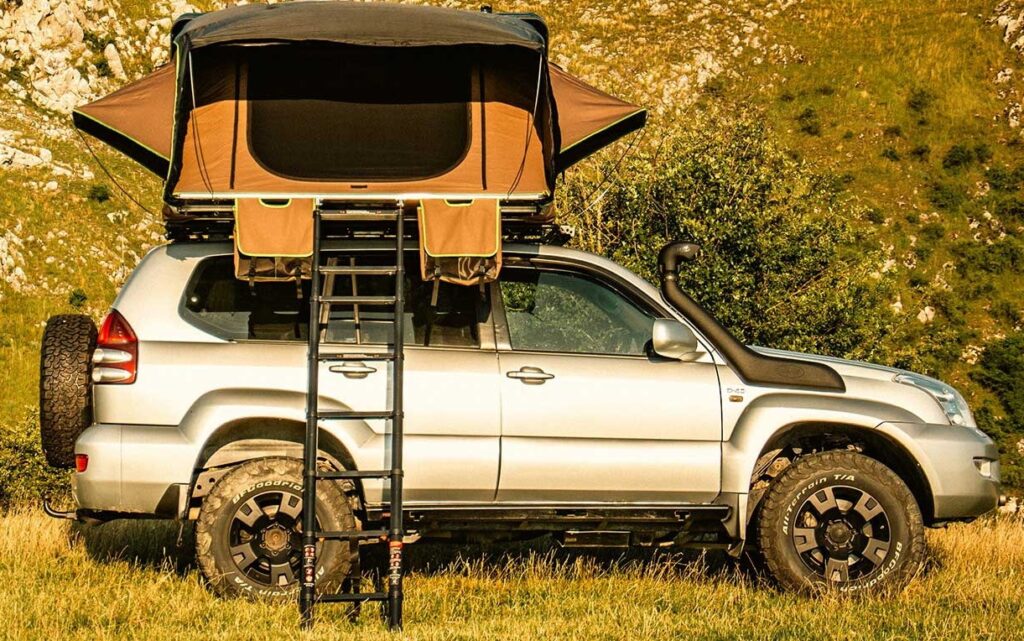
Kenya Gorilla and Calving Safari by 4×4
Travellers interested in a 4×4 East Africa safari can design parts of the journey around self-drive travel.
Kenya has an extensive network of safari destinations accessible by 4×4, while Tanzania offers opportunities for self-drive safaris in suitable areas.
However, international border crossings require advance planning.
A cross-border rental vehicle may require:
- Written authorization
- Cross-border insurance
- Temporary import documentation
- Additional fees
- Vehicle documentation
- Park permits
For a short Kenya-Rwanda-Tanzania holiday, flights between countries can often make the itinerary simpler.
For a longer road trip, cross-border 4×4 arrangements can be planned in advance.
Kenya Gorilla and Wildebeest Safari for Couples
Couples can combine the safari with comfortable lodges and private transport.
A possible itinerary is:
Nairobi → Masai Mara → Kigali → Volcanoes → Arusha → Serengeti → Ndutu → Ngorongoro → Zanzibar
After the wildlife portion, add several nights on the Tanzanian coast or Zanzibar for relaxation.
Family Kenya and Gorilla Safari
Families should check gorilla trekking age restrictions before booking.
Rwanda currently requires gorilla trekking visitors to be at least 15 years old.
The Kenya and Tanzania portions can be adapted around the ages of the children, with private safari vehicles offering greater flexibility.
Families travelling with younger children can also spend additional time on conventional game drives before and after the gorilla portion.
What to Pack
For Kenya Safari
Bring:
- Binoculars
- Camera
- Hat
- Sunglasses
- Sunscreen
- Lightweight clothing
- Light jacket
- Comfortable shoes
- Insect repellent
For Gorilla Trekking
Add:
- Waterproof hiking shoes
- Long trousers
- Long-sleeved shirts
- Waterproof jacket
- Hiking gloves
- Daypack
- Water bottle
- Extra camera batteries
For Tanzania
Pack warm layers for early-morning game drives and comfortable clothing for long days in the safari vehicle.
How Long Should the Trip Be?
A compact Kenya-gorilla-calving itinerary can take around 10–12 days, but 14–16 days provides considerably more flexibility.
Additional time can be used for:
- Nairobi
- Amboseli
- Lake Nakuru
- Masai Mara
- Gorilla trekking
- Serengeti
- Ndutu
- Ngorongoro
Travellers with three weeks or more can add Uganda, Zanzibar, the Kenyan coast or additional Tanzania parks.
Frequently Asked Questions
Can I combine a Kenya safari with gorilla trekking?
Yes. Kenya does not have mountain gorilla trekking, so the gorilla portion is normally added in Rwanda or Uganda.
Can I see wildebeest calving in Kenya?
The main calving concentration during the January-to-March period is associated with the southern Serengeti ecosystem in Tanzania. Kenya’s Masai Mara is an important part of the wider migration ecosystem but is not the primary destination for the southern Serengeti calving season.
Can I visit the Masai Mara and Serengeti on the same trip?
Yes. They are part of the same broader Serengeti-Mara ecosystem, although international borders, vehicle arrangements and park rules must be considered when planning the route.
Is January a good month for this safari?
January can work well for a combined itinerary, particularly if the focus is the southern Serengeti calving season. Wildlife movements are naturally influenced by rainfall and grazing conditions.
Is February good for wildebeest calving?
February is commonly associated with significant calving activity in the southern Serengeti, making it an important month for travellers targeting newborn wildebeest and predator activity.
Can I add Zanzibar?
Yes. Zanzibar can be added after the Tanzania safari for several days of beach, marine and cultural experiences.
Can I make this a self-drive safari?
Parts of the Kenya and Tanzania itinerary can be arranged as self-drive, depending on park regulations, route conditions and vehicle arrangements. Gorilla trekking itself requires an organized guided trekking experience.
Book a Kenya Gorilla and Wildebeest Calving Safari
A Kenya gorilla trekking and wildebeest calving safari combines the classic wildlife landscapes of Kenya with mountain gorillas in Rwanda or Uganda and the spectacular calving season of Tanzania’s Serengeti.
For travellers who want Kenya to remain the main destination, the trip can focus on Nairobi, Amboseli, Lake Nakuru and the Masai Mara, followed by gorilla trekking and a final safari in Tanzania.
A longer East African itinerary can include:
Nairobi → Amboseli → Lake Nakuru → Masai Mara → Rwanda/Uganda Gorilla Trekking → Arusha → Serengeti → Ndutu → Ngorongoro
The itinerary can be arranged around private safaris, 4×4 self-drive travel, camping, lodge accommodation or a combination of guided and independent travel, depending on your route and travel preferences.
Add Zanzibar, the Kenyan coast, Uganda or additional Tanzania parks to turn the trip into a longer East African adventure.