
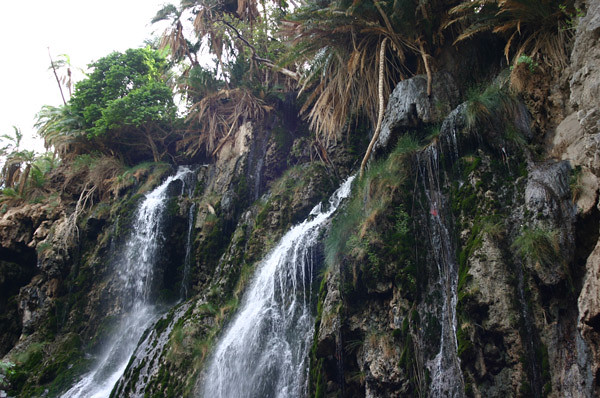
Thomson’s Falls in Kenya: Exploring the Spectacular 74-Metre Waterfall in Nyahururu
Introduction: Discover Thomson’s Falls in Kenya
Kenya is famous for its wildlife safaris, beautiful landscapes and diverse natural attractions. Beyond the country’s renowned national parks and wildlife reserves, however, are spectacular waterfalls that offer visitors a different perspective of its natural beauty. One of the most impressive is Thomson’s Falls in Kenya, a magnificent waterfall situated near Nyahururu in the central highlands.
Known for its dramatic 74-metre drop, Thomson’s Falls is among Kenya’s most recognisable natural landmarks. The water cascades into a deep, green gorge surrounded by vegetation, creating a beautiful setting for sightseeing, photography and nature exploration.
The waterfall is an excellent destination for travellers exploring Laikipia, the Aberdare region and other attractions in central Kenya. Its convenient location near Nyahururu also makes it a worthwhile stop on a road trip between Nairobi, Lake Nakuru, the Aberdares and northern Kenya.
Whether you are planning a family holiday, a photography trip, a nature excursion or a longer Kenya self drive safari, Thomson’s Falls deserves consideration on your itinerary.
Where Is Thomson’s Falls Located?
Thomson’s Falls is located approximately three kilometres from Nyahururu town in Laikipia County, central Kenya. The waterfall lies at an elevation of approximately 2,360 metres above sea level, giving the surrounding area a cool highland climate.
It is formed by the Ewaso Ng’iro River, whose headwaters are associated with Lake Ol Bolossat and the Aberdare highlands. The river flows over a rocky escarpment before plunging into the gorge below.
Because of its location, the waterfall is relatively easy to incorporate into a central Kenya road trip. Visitors can reach the attraction from Nyahururu town and continue towards other destinations in Laikipia and the Rift Valley.
The History of Thomson’s Falls
The waterfall is named after Joseph Thomson, a Scottish geologist and explorer who reached the site in 1883 during his exploration of East Africa.
Thomson named the waterfall after his father. His historical association with the destination helped establish its name, which has remained widely recognised among travellers and tourism operators.
Today, Thomson’s Falls is an important tourism attraction for Nyahururu and the surrounding region, welcoming visitors interested in the area’s natural scenery and history.
What Makes Thomson’s Falls Special?
The most distinctive feature of Thomson’s Falls is its impressive 74-metre cascade. Water plunges over a rocky ledge into a deep gorge, creating a dramatic display of moving water and rising spray.
The surrounding landscape adds to the attraction. Green vegetation covers sections of the gorge, while the sound of falling water creates a refreshing atmosphere.
Unlike some remote waterfalls that require long hikes to reach, Thomson’s Falls has an accessible upper viewing area. Visitors can enjoy the main waterfall scenery without necessarily undertaking the steep descent towards the bottom.
Its combination of accessibility, scenic beauty and historical interest makes it a popular stop for domestic and international travellers.
Visiting the Main Viewpoint
The main viewpoint provides an excellent opportunity to appreciate the height and beauty of Thomson’s Falls.
From the viewing area, visitors can look directly towards the waterfall as the Ewaso Ng’iro River drops into the gorge. The viewpoint is particularly attractive for photography, especially when the water flow is strong and sunlight creates mist around the falls.
Travellers who have limited time can enjoy the main viewing experience without descending into the gorge.
Visitors should remain behind designated safety barriers and follow the site’s instructions, particularly when the ground is wet.
Hiking Towards the Bottom of Thomson’s Falls
For visitors seeking a closer experience, there is a steep path leading towards the lower section of the waterfall.
The descent provides a different perspective of the gorge and allows visitors to appreciate the waterfall from below. However, the route can be muddy, slippery and physically demanding, especially after rainfall.
Suitable footwear with good grip is essential. Visitors should take their time and avoid attempting the descent when conditions are unsafe.
The lower viewpoint is not necessary for everyone. Travellers with limited mobility, young children or anyone uncomfortable with steep terrain may prefer to enjoy the waterfall from the upper viewing area.
Photography and Nature Experiences
Thomson’s Falls is an excellent destination for photography enthusiasts.
The waterfall offers several interesting photographic opportunities, including the full cascade, the forested gorge and the surrounding highland scenery.
The rising spray can create attractive lighting effects when sunlight reaches the waterfall. Visitors may also photograph the surrounding vegetation and the river landscape.
Nature enthusiasts can spend time appreciating the area’s plant life, birdlife and highland environment.
For photographers travelling through Kenya, Thomson’s Falls provides a worthwhile opportunity to capture a different landscape from the traditional savannah scenes associated with African wildlife safaris.
Best Time to Visit Thomson’s Falls
Thomson’s Falls can be visited throughout the year, although the volume of water and the condition of the walking paths vary according to seasonal rainfall.
March to May – Long Rain Season
The long rains can increase the volume of water flowing over the waterfall. The surrounding vegetation becomes greener, creating attractive scenery for photography. However, the descent towards the gorge may become muddy and slippery.
June to September – Drier Season
These months can offer more comfortable conditions for sightseeing and road travel. Visitors should still expect cool highland temperatures, particularly in the morning and evening.
October to December – Short Rain Season
The short rains can refresh the surrounding landscape and improve the waterfall’s appearance. Visitors should carry waterproof clothing and suitable footwear.
The best time depends on whether you prioritise stronger water flow, greener scenery or more comfortable conditions for exploring the viewing areas.
How to Get to Thomson’s Falls
Thomson’s Falls is accessible by road, with Nyahururu serving as the nearest town and practical base for visitors.
From Nairobi
Travellers can drive from Nairobi towards Nyahururu through central Kenya. The journey generally takes several hours, depending on traffic, route and road conditions.
From Nakuru
Nakuru is another convenient starting point. Visitors can travel towards Nyahururu and include the waterfall as part of a wider Rift Valley excursion.
By Self-Drive 4×4 Vehicle
A self-drive journey offers flexibility for visitors who want to explore Thomson’s Falls alongside other destinations in central and northern Kenya.
A suitable rental vehicle allows travellers to plan their own stops, enjoy scenic routes and spend additional time at attractions along the way.
Attractions to Combine with Thomson’s Falls
Thomson’s Falls can be included in a wider Kenya itinerary featuring lakes, mountains, wildlife reserves and highland landscapes.
Lake Ol Bolossat
Lake Ol Bolossat is an important freshwater lake in central Kenya and is associated with the Ewaso Ng’iro River system. The lake is an interesting destination for birdwatching and nature exploration.
Aberdare National Park
The Aberdare region is famous for its mountainous landscapes, forests, waterfalls and diverse wildlife. Visitors can enjoy forest scenery and wildlife-viewing opportunities within the national park.
Lake Nakuru National Park
Lake Nakuru National Park is an important wildlife destination in the Rift Valley. Visitors can enjoy game drives and look for rhinos, giraffes, buffaloes, zebras and various bird species.
Ol Pejeta Conservancy
Ol Pejeta Conservancy is a leading wildlife conservation destination in Laikipia. It is particularly recognised for its rhino conservation work and opportunities to encounter a variety of wildlife.
Samburu National Reserve
Travellers continuing north can explore Samburu National Reserve, known for its distinctive wildlife species and beautiful semi-arid landscapes along the Ewaso Ng’iro River.
Combining these attractions creates an exciting central and northern Kenya journey featuring waterfalls, highland scenery, birdwatching and traditional wildlife safaris.
Thomson’s Falls on a Kenya Self-Drive Safari
Exploring Kenya by road is an excellent way to experience the country’s geographical diversity. From the central highlands to the Rift Valley and northern savannahs, a self-drive safari allows travellers to discover attractions beyond the main tourist circuits.
Thomson’s Falls is a convenient stop for visitors travelling between Nairobi, Nyahururu, Lake Nakuru, Laikipia and Samburu.
A reliable vehicle provides the flexibility to explore these destinations at your preferred pace. Travellers planning longer regional routes should choose a vehicle appropriate for their itinerary, road conditions and number of passengers.
At Self Drive in Kenya, we support travellers interested in East African road adventures and regional 4×4 rental arrangements, subject to vehicle availability and cross-border rental permissions.
Explore our East Africa 4×4 car rental options and plan an independent journey through Kenya, Tanzania, Uganda and Rwanda.
Suggested Kenya Itinerary Including Thomson’s Falls
Travellers can incorporate Thomson’s Falls into a longer central and northern Kenya adventure.
Day 1: Nairobi to Nyahururu
Travel from Nairobi towards Nyahururu and visit Thomson’s Falls. Enjoy the waterfall viewpoint and explore the surrounding area.
Day 2: Nyahururu to Lake Nakuru
Continue towards Lake Nakuru National Park for a wildlife safari.
Day 3: Lake Nakuru to Ol Pejeta Conservancy
Travel towards Laikipia and explore Ol Pejeta’s wildlife conservation areas.
Day 4: Ol Pejeta to Samburu National Reserve
Continue north towards Samburu for wildlife viewing and exploration of its distinctive landscapes.
Day 5: Samburu National Reserve
Enjoy a full day of game drives and wildlife photography.
Day 6: Samburu to Nairobi
Return towards Nairobi, with opportunities to enjoy the scenery along the way.
This itinerary can be extended to include the Aberdare region, Lake Ol Bolossat and other destinations depending on available time.
Frequently Asked Questions About Thomson’s Falls
1. Where is Thomson’s Falls located in Kenya?
Thomson’s Falls is located near Nyahururu town in Laikipia County, central Kenya.
2. How high is Thomson’s Falls?
The waterfall is approximately 74 metres (243 feet) high.
3. Which river forms Thomson’s Falls?
The waterfall is formed by the Ewaso Ng’iro River, which flows from the Lake Ol Bolossat area.
4. Who discovered Thomson’s Falls?
The waterfall is named after Joseph Thomson, a Scottish explorer who reached the site in 1883.
5. Can visitors reach the bottom of Thomson’s Falls?
Yes. A steep path leads towards the lower section of the gorge. However, the descent can be slippery and requires suitable footwear and caution.
6. How much time should I spend at Thomson’s Falls?
Allow approximately one to two hours for sightseeing and photography. Visitors attempting the descent should allow additional time.
7. What is the best time to visit Thomson’s Falls?
The waterfall can be visited throughout the year. Rainier periods may offer stronger water flow and greener scenery, while drier months can provide more comfortable sightseeing conditions.
8. Can Thomson’s Falls be visited with children?
Yes. Families can enjoy the upper viewing area, provided children are supervised. The steep descent towards the bottom may not be suitable for young children.
9. Is Thomson’s Falls inside Aberdare National Park?
No. Thomson’s Falls is near Nyahururu town and is a separate attraction from Aberdare National Park.
10. Can I include Thomson’s Falls in a Kenya safari?
Yes. The waterfall can be included in an itinerary covering Lake Nakuru, Ol Pejeta, the Aberdares and Samburu National Reserve.
Plan Your Visit to Thomson’s Falls in Kenya
Thomson’s Falls is one of Kenya’s most beautiful highland attractions, offering a memorable combination of natural scenery, history and outdoor exploration.
From the spectacular 74-metre waterfall to the green gorge and surrounding highland landscapes, the destination provides a refreshing alternative to traditional wildlife game drives.
Whether you are travelling through Nyahururu, exploring Laikipia or planning a longer Kenya safari, Thomson’s Falls is a worthwhile addition to your journey.