
A Week in Kenya on a Self-Drive Safari: The Ultimate 7-Day Road Trip Guide
Introduction: Discover Kenya in Seven Days on a Self-Drive Adventure
Kenya is one of Africa’s most exciting destinations for wildlife enthusiasts, adventure seekers and independent travellers. Famous for its spectacular savannah landscapes, extraordinary wildlife diversity, traditional cultures and beautiful natural attractions, the country offers some of the continent’s finest safari experiences.
Spending a week in Kenya on a self-drive safari provides an opportunity to explore the country’s remarkable destinations at your own pace. From the vibrant capital of Nairobi to the flamingo-rich shores of Lake Nakuru, the wildlife-filled plains of Maasai Mara and the spectacular elephant landscapes of Amboseli, Kenya offers an unforgettable combination of wildlife encounters and scenic road trips.
A self-drive safari in Kenya gives travellers the freedom to explore national parks, discover remote countryside destinations, stop at scenic viewpoints and experience the country’s diverse landscapes without depending entirely on a traditional guided tour.
With a reliable 4×4 car rental in Kenya, visitors can plan an independent safari that combines wildlife viewing, cultural experiences, nature photography and comfortable accommodation.
This seven-day Kenya self-drive itinerary is designed for travellers arriving at Jomo Kenyatta International Airport in Nairobi. It combines three of Kenya’s most popular wildlife destinations and offers an excellent introduction to the country’s safari experiences.
7-Day Kenya Self-Drive Safari Itinerary
The recommended itinerary combines Nairobi, Lake Nakuru National Park, Maasai Mara National Reserve and Amboseli National Park. It is an ambitious circuit with several long driving days, so travellers should plan their departure times and accommodation carefully.
| Day | Destination | Main Experience |
|---|---|---|
| Day 1 | Nairobi | City exploration and arrival |
| Day 2 | Nairobi – Lake Nakuru | Scenic drive and wildlife safari |
| Day 3 | Lake Nakuru – Maasai Mara | Journey to Kenya’s famous safari reserve |
| Day 4 | Maasai Mara | Full-day wildlife safari |
| Day 5 | Maasai Mara – Nairobi | Return journey |
| Day 6 | Nairobi – Amboseli | Elephant safari and Mount Kilimanjaro views |
| Day 7 | Amboseli – Nairobi | Morning safari and departure |
Planning note: This route involves considerable driving, especially between Maasai Mara and Amboseli. A more relaxed seven-day holiday should focus on two major safari destinations rather than all three. Travellers wanting a complete Maasai Mara and Amboseli experience should ideally add additional days.
Day 1: Arrive in Nairobi and Explore Kenya’s Capital
Your Kenya self-drive adventure begins in Nairobi, the country’s capital and main international arrival destination.
After landing at Jomo Kenyatta International Airport, collect your pre-booked rental vehicle and receive a briefing about the vehicle, insurance coverage, driving regulations and planned itinerary.
Nairobi is an exciting African city that combines modern infrastructure, cultural attractions, traditional markets and remarkable wildlife experiences.
Depending on your arrival time, you can visit the Giraffe Centre, explore the Karen neighbourhood or discover Nairobi’s restaurants and shopping areas.
Another attraction worth considering is Nairobi National Park, a unique wildlife reserve located close to the city centre. It offers opportunities to see giraffes, zebras, buffaloes, rhinos and lions against the backdrop of Nairobi’s skyline.
Spend the evening preparing for your safari journey and checking your vehicle’s equipment, navigation and essential travel supplies.
Overnight: Nairobi.
Day 2: Nairobi to Lake Nakuru National Park – Discover Kenya’s Rift Valley Wildlife
After breakfast, leave Nairobi and drive northwest towards Lake Nakuru National Park.
The journey generally takes approximately three to four hours, depending on traffic, road conditions and stops along the way.
The route passes through Kenya’s beautiful Great Rift Valley, offering spectacular viewpoints and opportunities to appreciate the region’s dramatic landscapes.
Lake Nakuru National Park is famous for its beautiful alkaline lake, birdlife, wooded landscapes and wildlife diversity.
The park is an important sanctuary for both black and white rhinoceroses and is also known for giraffes, buffaloes, zebras, waterbucks and other wildlife species.
After completing the entrance procedures, begin exploring the park’s designated game-viewing routes.
Lake Nakuru is particularly attractive to birdwatchers, with flamingos and numerous other waterbirds sometimes gathering along its shores depending on water and food conditions.
Overnight: Lake Nakuru area.
Day 3: Lake Nakuru to Maasai Mara – Journey to Kenya’s Famous Safari Destination
After breakfast, leave Lake Nakuru and drive towards the legendary Maasai Mara National Reserve.
The journey generally takes approximately five to seven hours, depending on your route, traffic and accommodation location.
Maasai Mara is one of Africa’s most celebrated wildlife destinations, famous for its large populations of lions, elephants, leopards, cheetahs, buffaloes and other wildlife.
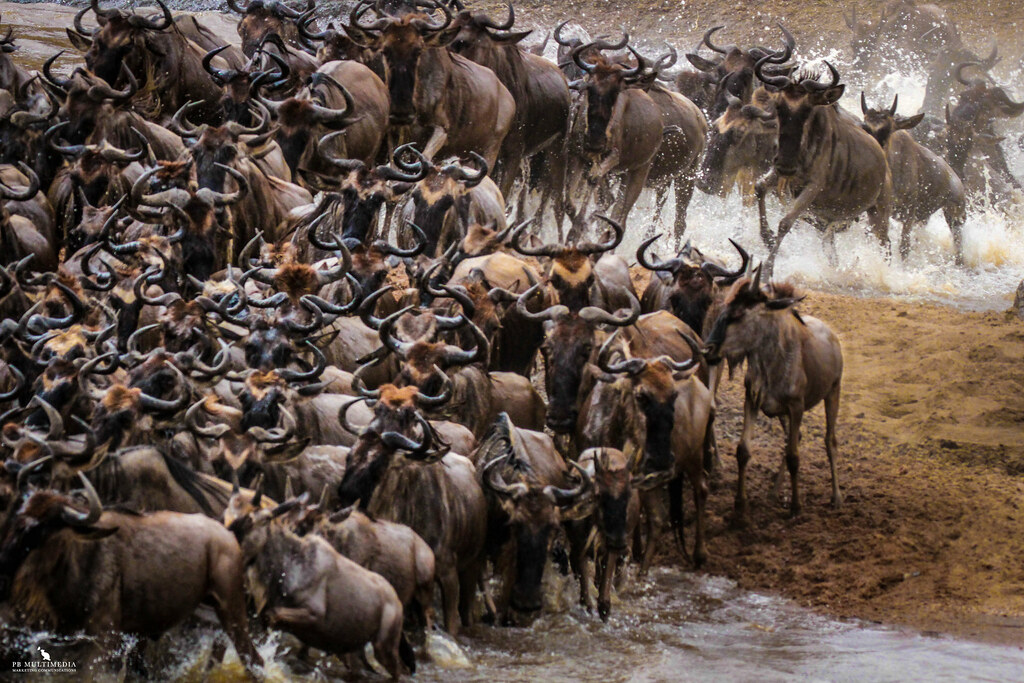
The reserve is also internationally recognised for the Great Wildebeest Migration, when enormous herds of wildebeest and zebras move between the Serengeti ecosystem in Tanzania and the Maasai Mara in Kenya.
On arrival, check into your safari accommodation and enjoy an afternoon game drive if time, park entry arrangements and accommodation location permit.
The surrounding conservancies also offer additional wildlife and cultural experiences, subject to their respective access arrangements.
Overnight: Maasai Mara.
Day 4: Full-Day Self-Drive Safari in Maasai Mara National Reserve
Dedicate your fourth day to exploring the magnificent Maasai Mara ecosystem.
Begin early to enjoy wildlife viewing during the cooler hours of the morning when many animals are active.
The reserve offers excellent opportunities to encounter the Big Five: lions, elephants, leopards, buffaloes and rhinoceroses.
Other commonly observed species include cheetahs, giraffes, zebras, wildebeest, hyenas, topis, gazelles and numerous bird species.
During the Great Migration season, generally between July and October, visitors may witness large herds moving into the Mara from Tanzania’s Serengeti ecosystem. River crossings can occur, but their timing and location are unpredictable.
For independent travellers, Maasai Mara provides a rewarding opportunity to experience wildlife photography and game viewing from a privately rented 4×4 vehicle.
Follow reserve regulations, remain on permitted roads and respect wildlife viewing distances.
You may also arrange a guided cultural visit to a Maasai community through an appropriate local operator.
Overnight: Maasai Mara.
Day 5: Maasai Mara to Nairobi – Return Journey Through the Great Rift Valley
After breakfast, begin your return journey from Maasai Mara towards Nairobi.
This is a relatively long driving day, so depart early and allow sufficient time for road conditions, fuel stops and refreshments.
Depending on your route and destination, the journey can take approximately five to seven hours or longer.
On arrival in Nairobi, check into your accommodation and enjoy a relaxing evening.
This overnight stop also provides an opportunity to prepare for the next stage of your Kenya self-drive adventure.
Overnight: Nairobi.
Day 6: Nairobi to Amboseli National Park – Discover the Land of Giants
After breakfast, leave Nairobi and drive southeast towards Amboseli National Park.
The journey generally takes approximately four to five hours, depending on traffic and road conditions.
Amboseli is one of Kenya’s most beautiful safari destinations, famous for its large elephant populations and spectacular views of Mount Kilimanjaro, Africa’s highest mountain.
The park’s landscapes include open savannah, seasonal wetlands, acacia woodland and dry lake beds.
Amboseli is particularly popular among wildlife photographers because elephants can often be photographed with Mount Kilimanjaro providing an impressive background when weather conditions allow.
Other wildlife species include lions, cheetahs, buffaloes, giraffes, zebras, hyenas and numerous bird species.
After entering the park, enjoy an afternoon game drive along the permitted safari circuits.
Overnight: Amboseli National Park area.
Day 7: Morning Amboseli Safari and Return to Nairobi
Wake up early for a final wildlife-viewing experience in Amboseli.
Morning game drives offer excellent opportunities to observe elephants and other wildlife before the heat of the day.
On clear mornings, you may also enjoy beautiful views of Mount Kilimanjaro.
After breakfast, begin your return journey to Nairobi.
The drive generally takes approximately four to five hours, depending on road conditions and traffic.
Return your rental vehicle at the agreed location and prepare for your international departure.
Travellers with early international flights should consider spending their final night in Nairobi instead of driving directly from Amboseli on departure day.
Your seven-day Kenya self-drive safari concludes with unforgettable memories of wildlife encounters, beautiful landscapes and the freedom of exploring Kenya independently.
Best 4×4 Vehicles for a Kenya Self-Drive Safari
Choosing the right vehicle is one of the most important parts of planning a successful Kenya road trip. While major highways connect most popular destinations, national parks and remote safari areas may have rough, muddy or uneven tracks.
At Self Drive in Kenya, travellers can choose suitable rental vehicles depending on their budget, itinerary, number of passengers and accommodation preferences.
Toyota Land Cruiser Prado
The Toyota Land Cruiser Prado is an excellent option for couples, families and small groups looking for comfort and reliable four-wheel-drive capability.
Its spacious interior, ground clearance and comfortable suspension make it suitable for long journeys between Nairobi, Lake Nakuru, Maasai Mara and Amboseli.
Toyota Land Cruiser 70 Series
The Toyota Land Cruiser 70 Series is particularly attractive to adventurous travellers who want a robust safari vehicle.
Its practical design and off-road capability make it suitable for demanding safari routes and remote destinations.
It can also be equipped with camping accessories depending on the rental package.
Toyota RAV4 4×4
The Toyota RAV4 4×4 is an economical option for travellers exploring Kenya on a limited budget.
It is suitable for many paved roads and less demanding countryside routes. However, travellers should confirm whether the specific vehicle is permitted and suitable for their intended national park routes.
Land Cruiser with Rooftop Tent
For travellers who enjoy camping, a 4×4 rental with a rooftop tent in Kenya provides an exciting way to explore the country’s national parks and wilderness areas.
Depending on the rental package, camping equipment can include a rooftop tent, mattress, sleeping bags, cooking equipment, table, chairs and other essential accessories.
This option is ideal for travellers who want flexibility and an affordable alternative to staying exclusively in safari lodges.
Where to Stay During Your Kenya Self-Drive Safari
Kenya offers a wide selection of accommodation options, from budget campsites and guesthouses to luxury tented camps and safari lodges.
For this seven-day journey, consider the following accommodation areas:
| Destination | Recommended Accommodation |
|---|---|
| Nairobi | City hotels, apartments and guesthouses |
| Lake Nakuru | Safari lodges, hotels and campsites |
| Maasai Mara | Tented camps, safari lodges and campsites |
| Amboseli | Safari lodges, tented camps and campsites |
Travellers planning to camp should check campsite locations, availability, facilities and park access arrangements before departure.
How Much Does a Week in Kenya on a Self-Drive Safari Cost?
The cost of a seven-day Kenya self-drive safari depends on the rental vehicle, accommodation, number of travellers, park fees, fuel consumption and activities.
The following is an illustrative budget for two travellers.
| Expense | Estimated Cost |
|---|---|
| 4×4 car rental for 7 days | $490–$840 |
| Fuel | $150–$230 |
| Accommodation for 6 nights | $360–$720 |
| Food and drinks | $140–$210 |
| Park fees and safari activities allowance | $300–$600 |
| Estimated total | $1,440–$2,600 |
These are indicative planning allowances, not confirmed quotations. Actual park fees depend on nationality, applicable conservation area, season and current tariffs. Accommodation and vehicle costs also vary considerably.
Additional expenses may include international flights, vehicle deposits, insurance upgrades, optional activities and personal purchases.
Best Time to Visit Kenya for a Self-Drive Safari
Kenya is a year-round safari destination, although seasonal changes influence wildlife viewing, road conditions and the overall travel experience.
June to October – Long dry season
This is one of the most popular periods for wildlife safaris. The Maasai Mara is especially famous during the Great Wildebeest Migration season, when herds move into Kenya from Tanzania.
Wildlife is often easier to observe around water sources during drier months.
January to February – Short dry season
These months are also favourable for safari travel, with generally drier conditions and good opportunities for wildlife viewing.
March to May – Long rainy season
Rainfall can make some park roads muddy and more challenging. However, the countryside becomes greener, and this period can offer beautiful scenery and rewarding photography opportunities.
November to December – Short rainy season
Short rains generally bring changing weather conditions. Travellers should monitor road conditions and allow extra time when driving between destinations.
Driving in Kenya: What Self-Drive Travellers Should Know
Kenya is an excellent country for independent road trips, but visitors should understand the local driving requirements and road conditions before starting their safari.
Driving Licence Requirements
Carry a valid driving licence and confirm whether an International Driving Permit or additional documentation is required for your nationality and licence.
Driving Side
Kenya drives on the left-hand side of the road.
Road Conditions
Major highways connect Nairobi with the principal safari destinations. However, roads approaching some reserves and conservancies may be unpaved, uneven or muddy during rainy periods.
Speed Limits
Observe posted speed limits and local traffic regulations. Exercise particular caution in towns, villages and areas with pedestrians and livestock.
Night Driving
Avoid unnecessary night driving, particularly on rural roads and unfamiliar routes.
Vehicle Insurance
Choose a rental package that clearly explains insurance coverage, collision protection, excess amounts, exclusions and roadside assistance.
National Park Regulations
National parks and reserves have their own entry requirements, opening hours, road restrictions and wildlife-viewing rules. Always follow instructions from park authorities.
Why Choose Self Drive in Kenya for Your Seven-Day Adventure?
Planning a successful Kenya road trip starts with choosing a reliable vehicle rental company and the right 4×4 for your journey.
Self Drive in Kenya helps independent travellers discover the country’s extraordinary wildlife destinations and scenic landscapes through flexible car rental arrangements.
Whether you need an economical SUV, a comfortable Toyota Land Cruiser Prado, a rugged Land Cruiser 70 Series or a fully equipped camping vehicle, selecting the right rental package makes it easier to explore Kenya independently.
With a suitable rental vehicle, you can discover Nairobi, experience Lake Nakuru’s wildlife, explore the Maasai Mara plains and enjoy the spectacular elephant landscapes of Amboseli.
Travellers planning longer East African journeys can also enquire about cross-border vehicle rental arrangements connecting Kenya with Tanzania, Uganda and Rwanda. Cross-border travel must be approved in advance, with appropriate vehicle documentation and insurance arrangements.
Frequently Asked Questions About a Week in Kenya on a Self-Drive Safari
1. Is seven days enough to explore Kenya?
Yes. Seven days can provide an excellent introduction to Kenya, particularly if you focus on two or three destinations. A combination of Nairobi, Maasai Mara and Amboseli is a popular option, although including Lake Nakuru requires a more demanding driving schedule.
2. Can I visit Kenya’s national parks without a tour guide?
Yes. Independent visitors can explore designated self-drive areas in several Kenyan parks and reserves, subject to individual entry requirements and regulations. Some activities, conservancies and special experiences require authorised guides.
3. What is the best vehicle for a Kenya self-drive safari?
A Toyota Land Cruiser Prado is an excellent all-round choice. A Land Cruiser 70 Series is suitable for more demanding routes, while a suitable RAV4 4×4 can provide a more economical option for less challenging journeys.
4. Can I drive from Nairobi to Maasai Mara?
Yes. The journey generally takes approximately five to seven hours, depending on your destination within the reserve, road conditions and traffic.
5. Can I combine Maasai Mara and Amboseli in one week?
Yes, although it involves long driving distances. It is possible to combine the two destinations in seven days, but travellers should plan sufficient time for road transfers and consider adding an extra day for a more relaxed safari.
6. Do I need a 4×4 vehicle for a Kenya safari?
A 4×4 is strongly recommended for independent travellers visiting Maasai Mara, Amboseli and other remote safari destinations, particularly during rainy periods. Always confirm the vehicle’s suitability for the intended routes.
7. Can I camp during a Kenya self-drive safari?
Yes. Kenya has designated campsites in and around several national parks and reserves. A rooftop-tent vehicle provides an attractive camping option, but campsite reservations and park access arrangements should be confirmed in advance.
8. Can I drive a rental vehicle from Kenya to Tanzania?
Some rental companies allow cross-border travel, but written permission and suitable insurance are essential. Confirm border documentation, vehicle authorisation, insurance validity and any additional charges before departure.
9. When is the best time to see the Great Wildebeest Migration in Kenya?
The Maasai Mara generally receives migrating herds between July and October. However, migration timing depends on rainfall and grazing conditions, and river crossings cannot be guaranteed.
10. Where should I start and end my Kenya self-drive trip?
Nairobi is the most convenient starting and ending point for most international travellers because it provides access to major highways, safari destinations and Jomo Kenyatta International Airport.
Conclusion: Experience the Best of Kenya in Seven Days
A week in Kenya on a self-drive safari is an exciting opportunity to discover some of East Africa’s most spectacular wildlife destinations. From Nairobi’s urban attractions to the flamingo-rich shores of Lake Nakuru, the endless wildlife plains of Maasai Mara and the magnificent elephants of Amboseli, Kenya offers an unforgettable combination of safari experiences.
With a reliable 4×4 car rental in Kenya, you can enjoy the freedom of independent travel while exploring the country’s beautiful landscapes, wildlife and cultural attractions.
Whether you choose a comfortable Toyota Land Cruiser Prado, a rugged Land Cruiser 70 Series or a fully equipped rooftop-tent vehicle, Kenya offers an extraordinary road trip for travellers seeking wildlife, adventure and authentic African experiences.
Start planning your Kenya adventure with Self Drive in Kenya and discover the magic of the African wilderness on your own terms.
Book Your Kenya Self-Drive Vehicle
Explore Kenya independently with a reliable 4×4 rental vehicle.
Self Drive in Kenya offers vehicle rental options for independent travellers, couples, families and camping enthusiasts.
Enquire about Toyota Land Cruiser Prado, Land Cruiser 70 Series, RAV4 and rooftop-tent 4×4 rentals.
Request a Kenya self-drive rental quotation and start planning your seven-day safari adventure.