
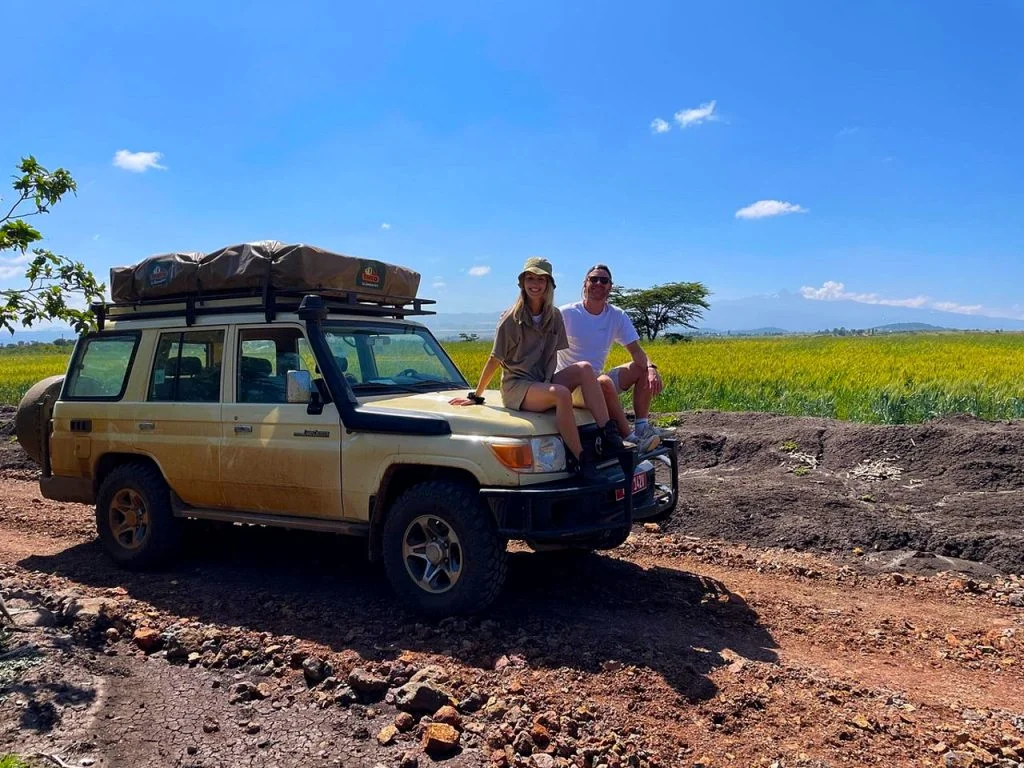
How to Plan a Trip to Kenya: A First-Timer’s Travel Guide with Self Drive in Kenya
Planning your first trip to Kenya? Kenya is one of Africa’s most exciting travel destinations, famous for its spectacular wildlife, beautiful savannah landscapes, pristine beaches, snow-capped mountains and vibrant cultural heritage. From witnessing the Great Wildebeest Migration in the Masai Mara to exploring Amboseli National Park with Mount Kilimanjaro in the background, Kenya offers unforgettable experiences for every type of traveller.
Whether you are interested in wildlife safaris, mountain adventures, beach holidays, cultural encounters or independent road trips, Kenya provides excellent opportunities to explore Africa at your own pace.
For adventurous travellers, a self-drive safari in Kenya is one of the best ways to experience the country’s natural beauty. With a reliable 4×4 rental vehicle, you can travel between national parks, discover remote destinations, enjoy scenic countryside drives and organise your holiday according to your own schedule.
At Self Drive in Kenya, we help travellers discover the freedom of independent travel through reliable car rental solutions and practical road trip arrangements. Whether you need a Toyota Land Cruiser, Land Cruiser Prado, Toyota RAV4 or another suitable 4×4 vehicle, choosing the right rental car makes your Kenyan adventure more comfortable and enjoyable.
This comprehensive Kenya travel guide for first-time visitors explains everything you need to know before travelling, including the best time to visit, visa requirements, destinations, transport options, estimated costs, packing advice and how to organise an unforgettable self-drive adventure.
1. When Is the Best Time to Visit Kenya?
Kenya is a year-round travel destination, although the weather varies depending on the region and altitude.
The country generally experiences two dry seasons and two rainy seasons. The best time to visit depends on whether you are interested in wildlife safaris, the Great Migration, beach holidays, hiking or cultural experiences.
June to October – Main Dry Season
June to October is one of the most popular periods for visiting Kenya.
The weather is generally dry, wildlife viewing is excellent in many national parks and animals often gather around water sources.
This period is particularly attractive for:
- Wildlife safaris in the Masai Mara.
- Witnessing the Great Wildebeest Migration, especially during its traditional July–October Mara River crossing period.
- Elephant viewing in Amboseli National Park.
- Exploring Lake Nakuru National Park.
- Self-drive adventures across Kenya.
- Beach holidays along the Kenyan coast.
July to October is particularly popular among international visitors interested in the Great Migration.
Because accommodation and safari services can become busy during this period, advance reservations are recommended.
November to December – Short Rainy Season
November and December generally bring short rains to many parts of Kenya.
The countryside becomes greener, and some destinations offer beautiful photography opportunities.
Wildlife viewing remains rewarding, although some roads can become muddy after heavy rainfall.
This is a good period for travellers interested in exploring Kenya with fewer crowds in certain destinations.
January to February – Short Dry Season
January and February are excellent months for many Kenyan safari destinations.
The weather is generally warm and dry, making this period suitable for wildlife viewing, beach holidays and outdoor activities.
It is also a popular time for visiting Amboseli, Tsavo, Samburu and the Masai Mara.
March to May – Long Rainy Season
March to May is generally the long rainy season in much of Kenya.
The landscapes become lush and green, making this an attractive period for photography and birdwatching.
However, some remote roads and safari tracks can become challenging, particularly in areas with poor drainage.
If you are planning a Kenya self-drive safari during the rainy season, a reliable 4×4 vehicle is strongly recommended.
Our recommendation: June to October is an excellent period for first-time visitors interested in wildlife safaris and the Great Migration. January and February are also favourable months for exploring many Kenyan destinations.
2. Kenya Visa Requirements and Entry Information
Before travelling to Kenya, it is important to understand the country’s entry requirements.
Kenya operates an Electronic Travel Authorisation (eTA) system for most foreign visitors who are not exempt. Travellers generally need to obtain approval before travelling.
The application is completed online through the official Kenyan government eTA portal.
Before departure, make sure you:
- Have a valid passport meeting the entry requirements, generally with at least six months of validity.
- Apply for the appropriate Kenyan eTA if required.
- Have your return or onward flight information available.
- Keep your accommodation and travel arrangements accessible.
- Carry a valid yellow fever vaccination certificate when required under applicable public health entry regulations.
- Check any additional immigration requirements applicable to your nationality.
East African Tourist Visa
Travellers planning to visit Kenya, Uganda and Rwanda can consider the East African Tourist Visa.
This visa allows eligible visitors to travel between the three participating countries under one tourist visa arrangement, subject to its conditions.
It is particularly useful for travellers planning a multi-country East African safari.
Please note that Tanzania is not included in the East African Tourist Visa arrangement.
For the latest information, application procedures and exemptions, consult the official Kenya Electronic Travel Authorisation website.
3. How Many Days Do You Need to Explore Kenya?
Kenya has a wide variety of attractions, and the ideal length of your holiday depends on your preferred destinations and activities.
A short holiday can focus on one or two national parks, while a longer road trip allows you to discover different regions of the country.
2 to 4 Days – Short Kenya Safari
A short trip is suitable for visitors with limited time who want to experience one of Kenya’s major wildlife destinations.
Possible activities include:
- A Masai Mara wildlife safari.
- Exploring Amboseli National Park.
- Visiting Lake Nakuru National Park.
- Discovering Nairobi National Park.
- A short road trip to Naivasha and Hell’s Gate National Park.
5 to 7 Days – Kenya Wildlife Safari
One week is enough to combine several popular destinations.
A possible itinerary includes:
- Day 1: Arrival in Nairobi.
- Day 2: Drive to Amboseli National Park.
- Day 3: Wildlife safari in Amboseli.
- Day 4: Drive towards Lake Naivasha.
- Day 5: Explore Hell’s Gate National Park and Lake Naivasha.
- Day 6: Transfer to Lake Nakuru National Park.
- Day 7: Morning safari and return to Nairobi.
Alternatively, you can focus on the Masai Mara and surrounding wildlife destinations.
8 to 10 Days – Kenya Safari Adventure
A 10-day holiday provides more flexibility for exploring different parts of Kenya.
You can combine:
- Nairobi.
- Amboseli National Park.
- Tsavo West National Park.
- Tsavo East National Park.
- Lake Naivasha.
- Lake Nakuru National Park.
- Masai Mara National Reserve.
This itinerary offers a combination of wildlife viewing, beautiful landscapes and cultural experiences.
12 to 14 Days – Kenya Self-Drive Road Trip
For independent travellers, two weeks provides an excellent opportunity to explore Kenya at a relaxed pace.
A longer self-drive itinerary can include:
- Nairobi.
- Samburu National Reserve.
- Ol Pejeta Conservancy.
- Lake Nakuru.
- Lake Naivasha.
- Masai Mara.
- Amboseli.
- Tsavo West.
- Tsavo East.
- Diani Beach or Mombasa.
With a reliable 4×4 car rental in Kenya, you can enjoy the freedom of exploring different destinations, stopping at scenic viewpoints and spending more time in places you love.
4. Best Places to Visit in Kenya
Kenya has some of Africa’s most famous wildlife destinations, beautiful beaches, mountain landscapes and cultural attractions.
Below are some of the best places to include in your first Kenyan holiday.
Nairobi – Kenya’s Capital City
Nairobi is the starting point for most international visitors and an excellent introduction to Kenya.
It is one of the few cities in the world with a national park located so close to its central business district.
Popular things to do in Nairobi include:
- Visiting Nairobi National Park.
- Exploring the David Sheldrick Wildlife Trust’s elephant experiences, subject to current visitor arrangements.
- Visiting the Giraffe Centre.
- Exploring the Karen Blixen Museum.
- Discovering local markets and cultural centres.
- Visiting the Nairobi National Museum.
- Enjoying Kenyan food and coffee experiences.
Nairobi is also an excellent location to collect your Kenya rental car before beginning a self-drive safari.
Masai Mara National Reserve – The Great Wildebeest Migration
The Masai Mara is one of Africa’s most famous wildlife destinations and a major highlight of many Kenya holidays.
Located in southwestern Kenya, the reserve is famous for its exceptional wildlife populations, open grasslands and spectacular seasonal wildebeest migration.
Every year, millions of wildebeest, accompanied by zebras and gazelles, move between the Serengeti ecosystem in Tanzania and the Masai Mara in Kenya.
The traditional Mara River crossing period is generally between July and October, although exact timing varies each year.
Wildlife commonly seen in the Masai Mara includes:
- Lions.
- Leopards.
- Elephants.
- Buffaloes.
- Rhinos.
- Cheetahs.
- Giraffes.
- Zebras.
- Wildebeest.
- Hyenas.
Popular activities include morning and afternoon game drives, full-day safaris, birdwatching and cultural experiences with local Maasai communities.
A 3-day Masai Mara safari is a popular choice for travellers who want to experience Kenya’s famous wildlife destination.
For self-drive visitors, check the reserve’s current vehicle, access, camping and entry requirements before travelling.
Amboseli National Park – Elephants and Mount Kilimanjaro Views
Amboseli National Park is one of Kenya’s most beautiful safari destinations.
Located in southern Kenya near the Tanzania border, the park is famous for its large elephant herds and spectacular views of Mount Kilimanjaro.
The park offers excellent opportunities for wildlife photography, especially during clear mornings when Africa’s highest mountain can be seen in the background.
Wildlife includes:
- African elephants.
- Lions.
- Cheetahs.
- Buffaloes.
- Giraffes.
- Zebras.
- Hyenas.
- Numerous bird species.
Popular activities include game drives, birdwatching, wildlife photography and cultural visits.
Amboseli is an excellent destination for a Kenya self-drive safari, especially for travellers using a suitable 4×4 vehicle.
Lake Nakuru National Park – Rhinos and Birdwatching
Lake Nakuru National Park is one of Kenya’s most popular wildlife destinations.
Located in the Great Rift Valley, the park is famous for its rhino conservation programmes, beautiful lake scenery and diverse birdlife.
Wildlife includes:
- White rhinos.
- Black rhinos.
- Rothschild’s giraffes.
- Lions.
- Leopards.
- Buffaloes.
- Waterbucks.
- Flamingos, depending on water and food conditions.
The park is an excellent destination for travellers who want to combine wildlife viewing with scenic countryside drives.
Lake Naivasha – Boat Safaris and Nature Experiences
Lake Naivasha is a beautiful freshwater lake located in Kenya’s Great Rift Valley.
It is an excellent destination for relaxation and outdoor activities.
Popular experiences include:
- Boat rides.
- Hippo viewing from boats at a safe distance.
- Birdwatching.
- Guided nature walks.
- Crescent Island wildlife experiences.
- Cycling and hiking in surrounding areas.
Lake Naivasha is particularly attractive for families, couples and independent travellers.
Samburu National Reserve – Unique Northern Kenya Wildlife
Samburu National Reserve is located in northern Kenya and offers a different safari experience from the southern and central wildlife parks.
The reserve is famous for several species commonly associated with northern Kenya, often referred to as the Samburu Special Five.
These include:
- Grevy’s zebra.
- Reticulated giraffe.
- Beisa oryx.
- Somali ostrich.
- Gerenuk.
Visitors can also see elephants, lions, leopards and other wildlife along the Ewaso Ng’iro River.
Samburu is an excellent destination for travellers looking for quieter safari experiences and unique wildlife photography.
Tsavo East and Tsavo West National Parks – Kenya’s Vast Wilderness
Tsavo East and Tsavo West together form one of Kenya’s largest protected wilderness areas.
Tsavo East is famous for its open savannah landscapes and red-dust elephants, while Tsavo West offers more varied terrain, including volcanic landscapes, springs and hills.
Popular attractions include:
- Mzima Springs.
- Lugard Falls.
- Yatta Plateau.
- Shetani Lava Flow.
- Wildlife viewing and birdwatching.
Both parks are excellent additions to a road trip between Nairobi and the Kenyan coast.
Diani Beach and Mombasa – Kenya’s Coastal Paradise
Kenya is not only about wildlife safaris. Its Indian Ocean coastline offers beautiful beaches, warm waters and excellent opportunities for relaxation.
Diani Beach is particularly famous for its white sand, turquoise waters and tropical atmosphere.
Mombasa offers a combination of coastal relaxation, historical attractions and Swahili culture.
Popular activities include:
- Swimming and beach relaxation.
- Snorkelling and diving.
- Boat excursions.
- Visiting Fort Jesus.
- Exploring Old Town Mombasa.
- Discovering local seafood and Swahili cuisine.
- Visiting Wasini Island.
A wildlife safari followed by a beach holiday in Diani or Mombasa is an excellent way to complete your Kenya adventure.
5. Kenya Self-Drive Safari: Everything First-Time Visitors Should Know
One of the best ways to explore Kenya independently is by hiring a suitable 4×4 vehicle.
A self-drive safari allows you to discover Kenya’s national parks, countryside, towns and coastal destinations without depending entirely on organised group tours.
However, successful self-drive travel requires preparation.
Which Vehicle Is Best for a Kenya Self-Drive Safari?
The best vehicle depends on your itinerary, group size, luggage and preferred level of comfort.
Popular options include:
Toyota Land Cruiser Prado: An excellent choice for couples, families and small groups looking for comfort, space and reliable 4×4 performance.
Toyota Land Cruiser 76 Series: Suitable for travellers looking for a rugged safari vehicle with good off-road capability.
Toyota Land Cruiser 78 Series: A practical option for safari camping and travellers requiring additional space and equipment.
Toyota Land Cruiser 79 Series: Suitable for longer journeys, demanding terrain and travellers requiring a pickup-style 4×4.
Toyota RAV4 4×4: A more economical option for selected road trips and destinations with suitable road conditions. It is not appropriate for every remote safari route.
Do You Need a 4×4 for Kenya?
A 4×4 vehicle is strongly recommended for travellers planning to visit remote destinations, explore national park tracks or travel during rainy seasons.
Some major roads in Kenya are paved and accessible using ordinary vehicles. However, many safari tracks and rural roads require additional ground clearance and four-wheel-drive capability.
Can You Drive Yourself in Kenya’s National Parks?
Yes, self-drive visits are permitted in several Kenyan national parks and reserves, subject to each destination’s regulations.
However, access conditions vary.
Before visiting, confirm:
- Whether self-drive access is permitted.
- Current park entry fees.
- Vehicle requirements.
- Opening and closing times.
- Camping regulations.
- Whether an authorised guide is required for particular activities.
Always remain on designated roads and follow wildlife safety instructions.
What Documents Do You Need to Drive in Kenya?
International visitors should ensure they have the necessary driving documents.
These may include:
- A valid driving licence.
- An International Driving Permit where required.
- Passport and entry documentation.
- Rental agreement.
- Vehicle insurance documentation.
- Written authorisation for cross-border travel, if applicable.
The rental company should explain the exact requirements before handing over the vehicle.
6. How Much Does a Trip to Kenya Cost?
The cost of visiting Kenya depends on your travel style, accommodation, transportation and planned activities.
Self-drive holidays can provide flexibility because travellers have more control over their routes, daily schedules and accommodation choices.
The main expenses to consider include:
- International flights.
- Kenya eTA where applicable.
- Car rental.
- Fuel.
- Accommodation.
- National park and conservancy fees.
- Game drives and guided activities.
- Meals and drinks.
- Travel insurance.
- Tips and personal expenses.
Budget Kenya Holidays
Budget travellers can use affordable guesthouses, campsites and local restaurants.
A self-drive rental vehicle can make it easier to explore different destinations without booking an expensive private safari vehicle and driver.
However, park fees, fuel and accommodation should be included in your overall budget.
Mid-Range Kenya Holidays
Mid-range holidays offer comfortable accommodation, reliable 4×4 rental vehicles and a combination of independent and guided activities.
This is a suitable option for couples, families and small groups.
Luxury Kenya Safaris
Luxury holidays offer premium safari lodges, exclusive conservancy experiences, private guides and high-end accommodation.
Travellers can enjoy luxury camps in the Masai Mara, premium lodges in Amboseli and beachfront resorts along the Indian Ocean.
When comparing rental quotations, check insurance coverage, mileage limits, additional driver fees, cross-border permissions and camping equipment costs.
7. What Should You Pack for a Kenya Holiday?
Packing correctly will make your Kenyan holiday more comfortable, particularly if you are combining wildlife safaris, outdoor activities and beach relaxation.
Clothing
- Lightweight and breathable clothing.
- Neutral-coloured safari clothing.
- Long-sleeved shirts and trousers.
- A warm fleece or jacket for early morning game drives.
- Comfortable walking shoes.
- Sandals or beach footwear.
- Swimwear for coastal holidays.
Safari Equipment
- Binoculars.
- Camera and spare batteries.
- Sunscreen.
- Sunglasses.
- Hat or cap.
- Insect repellent.
- Reusable water bottle.
- Small daypack.
Self-Drive Essentials
- Valid driving licence.
- International Driving Permit where required.
- Passport and travel documents.
- Rental agreement and insurance details.
- Mobile phone and charging equipment.
- Offline maps or navigation tools.
- Personal first-aid kit.
If you are planning a camping safari, you may also need a rooftop tent, sleeping bags, camping mattress, cooking equipment, chairs and a table.
Before departure, consult a travel health professional about recommended vaccinations, malaria prevention and other travel health precautions.
8. Safety and Important Local Travel Tips
Kenya is a popular destination for international travellers, and millions of visitors explore its wildlife parks, cities and coastal attractions every year.
Nevertheless, preparation and sensible precautions are important.
Respect Local Customs: Kenya has diverse cultures and traditions. Visitors should respect local communities, religious practices and cultural expectations.
Languages: English and Swahili are widely used. Learning basic Swahili greetings can make interactions with local communities more enjoyable.
Currency: Kenya uses the Kenyan shilling (KES). ATMs are available in major towns and cities, and mobile money services such as M-Pesa are widely used.
Photography: Always ask permission before photographing local people, particularly in rural communities.
Driving: Kenya drives on the left-hand side of the road. Observe speed limits, avoid unnecessary night driving and remain alert around pedestrians, cyclists and livestock.
Fuel: Refuel before entering remote areas and carry sufficient water for long journeys.
Wildlife Safety: Never leave your vehicle in restricted areas, approach wild animals or ignore instructions from park rangers.
Travel Insurance: Comprehensive travel insurance is recommended, especially for safari activities, hiking and adventure sports.
Mobile Connectivity: Mobile networks are available in most towns and major tourist areas, although coverage can be limited in remote national parks.
9. Combining Kenya with Tanzania, Uganda and Rwanda
Kenya is an excellent starting point for a wider East African adventure.
Travellers with additional time can explore neighbouring countries and experience different wildlife ecosystems, cultures and landscapes.
Cross-border self-drive trips require advance planning, including rental company authorisation, insurance extensions, customs documentation and vehicle permits.
Kenya and Tanzania Self-Drive Safari
Kenya and Tanzania are two of Africa’s most famous safari destinations.
A combined road trip allows visitors to explore the Masai Mara and Serengeti ecosystems, which share the spectacular Great Wildebeest Migration.
Other destinations include:
- Amboseli National Park.
- Tsavo National Parks.
- Serengeti National Park.
- Ngorongoro Crater.
- Tarangire National Park.
- Lake Manyara National Park.
- Zanzibar.
This combination is ideal for travellers interested in extended wildlife safaris and beach holidays.
Kenya and Uganda Safari
A Kenya and Uganda adventure offers a combination of savannah wildlife and tropical rainforest experiences.
Visitors can explore the Masai Mara and Amboseli before continuing to Uganda for gorilla trekking in Bwindi, chimpanzee tracking in Kibale and wildlife safaris in Queen Elizabeth National Park.
Kenya and Rwanda Road Trip
Travellers can also combine Kenya’s famous wildlife destinations with Rwanda’s mountain gorilla trekking experiences.
A possible itinerary includes the Masai Mara, Lake Nakuru, Kigali and Volcanoes National Park.
The East African Tourist Visa can be useful for eligible travellers visiting Kenya and Rwanda, although separate arrangements may be needed for vehicle entry.
10. Why Choose Self Drive in Kenya for Your Kenyan Road Trip?
Exploring Kenya independently gives you the opportunity to experience the country at your own pace.
You can spend additional time photographing wildlife, visit lesser-known destinations, stop at scenic viewpoints and enjoy the freedom of planning your own safari itinerary.
At Self Drive in Kenya, we focus on providing practical car rental solutions for travellers interested in exploring Kenya independently.
Whether you are planning a short wildlife safari, a family holiday, a camping adventure or an extended East African road trip, choosing a suitable rental vehicle is an important part of your preparation.
Our car rental solutions can cater to different travel requirements, including:
4×4 Car Rental in Kenya: Suitable vehicles for national park visits, countryside journeys and extended road trips.
Toyota Land Cruiser Rental: Land Cruiser options for demanding safari routes and travellers requiring additional space and off-road capability.
Toyota Prado Rental: Comfortable 4×4 vehicles for couples, families and small groups.
Rooftop Tent Car Rental: Camping-equipped vehicles for independent travellers who prefer sleeping close to nature.
Self-Drive Safari Planning: Assistance with vehicle selection and practical travel arrangements for independent safari adventures.
Long-Term Car Rental: Flexible rental arrangements for visitors, expatriates and travellers requiring vehicles for extended periods.
Cross-Border Car Rental: Regional travel arrangements for visitors interested in exploring Kenya and neighbouring East African countries, subject to vehicle availability and authorisation.
Our goal is to make independent travel in Kenya convenient, flexible and enjoyable.
11. Start Planning Your Kenya Self-Drive Adventure Today
Kenya is one of Africa’s most rewarding destinations for independent travellers. From the spectacular wildlife of the Masai Mara to the elephant herds of Amboseli, the unique landscapes of Samburu, the vast wilderness of Tsavo and the beautiful beaches of Diani, Kenya offers something for every traveller.
Whether you are planning a family holiday, a wildlife photography adventure, a camping safari or a multi-country East African road trip, a suitable 4×4 rental vehicle gives you the freedom to discover Kenya at your own pace.
At Self Drive in Kenya, we are committed to helping travellers enjoy flexible and memorable road trips through reliable car rental solutions.
Contact our team to discuss your preferred vehicle, travel dates, pickup location and safari itinerary.
Self Drive in Kenya – Discover Kenya, One Road Trip at a Time!
Website: https://www.selfdriveinkenya.com
Contact our team for 4×4 rental enquiries, Land Cruiser hire, rooftop tent vehicles and self-drive safari arrangements.
Frequently Asked Questions About Planning a Trip to Kenya
1. Is Kenya a good destination for first-time visitors to Africa?
Yes. Kenya is one of Africa’s leading tourism destinations, offering wildlife safaris, beautiful beaches, cultural experiences and excellent opportunities for independent travel.
2. How many days are enough for a Kenya safari?
Five to seven days is suitable for visiting a few major destinations. For a more comprehensive road trip covering the Masai Mara, Lake Nakuru, Amboseli and Tsavo, consider 10–14 days.
3. What is the best time to visit Kenya?
June to October is an excellent period for wildlife safaris and the Great Migration in the Masai Mara. January and February are also favourable months for many safari destinations.
4. Can I explore Kenya on a self-drive safari?
Yes. Visitors can rent a vehicle and explore many Kenyan national parks and tourist destinations independently, subject to park regulations and access requirements.
5. Do I need a 4×4 vehicle for a Kenya self-drive safari?
A 4×4 is strongly recommended for remote safari destinations, challenging park tracks and journeys during rainy seasons. A Toyota Land Cruiser Prado is a popular choice.
6. Can I drive a rental car into the Masai Mara?
Self-drive access is possible in the Masai Mara, subject to current reserve and conservancy regulations. Visitors should confirm vehicle access, entry fees and road conditions before travelling.
7. Which is the best national park to visit in Kenya?
The Masai Mara is famous for the Great Migration and Big Five wildlife. Amboseli is excellent for elephants and Mount Kilimanjaro views, while Samburu and Tsavo offer different and rewarding safari experiences.
8. Can I combine Kenya and Tanzania in one safari?
Yes. Kenya and Tanzania are excellent destinations to combine. Visitors can explore the Masai Mara, Serengeti, Ngorongoro, Amboseli and other wildlife destinations, subject to cross-border travel arrangements.
9. Which vehicle is best for a Kenya self-drive safari?
A Toyota Land Cruiser Prado is a popular choice for couples and families. Land Cruiser 70 Series vehicles are suitable for more demanding safari journeys and camping adventures.
10. Is Kenya safe for self-drive travellers?
Many visitors explore Kenya independently. However, it is important to plan your routes, avoid unnecessary night driving, use reliable rental vehicles and observe road and national park regulations.
11. Can I camp during a Kenya self-drive safari?
Yes. Kenya has public campsites, private campsites and selected accommodation facilities that offer camping. A rental vehicle equipped with a rooftop tent and camping equipment can make independent camping safaris convenient.
12. Can I rent a car in Kenya and drive to Uganda or Tanzania?
Cross-border travel may be possible, but it requires prior permission from the rental company, valid insurance coverage and the appropriate vehicle and customs documentation. Always confirm arrangements before booking.
13. What documents do I need to rent a car in Kenya?
Most rental companies require a valid driving licence, passport or identification, and a payment method. International visitors may also need an International Driving Permit depending on their licence and applicable regulations.
14. How can I book a self-drive rental car in Kenya?
Contact your preferred rental company with your travel dates, pickup and return locations, number of travellers and preferred vehicle. Confirm the rental rate, insurance, mileage policy, equipment and cross-border conditions before making a reservation.