
7-Day Kenya Primates and Wildlife Safari
Explore Ol Pejeta, Lake Nakuru and Maasai Mara
Discover Kenya’s remarkable wildlife and primates on this seven-day safari combining chimpanzee conservation, rhino protection, scenic landscapes and unforgettable game drives. From the endangered chimpanzees at Ol Pejeta Conservancy to the flamingos and rhinos of Lake Nakuru and the famous wildlife plains of the Maasai Mara, this journey offers an excellent introduction to Kenya’s natural heritage.
This safari is ideal for travellers who want to experience Kenya’s wildlife beyond the traditional Big Five circuit. It combines conservation experiences, opportunities to see several monkey species and classic African game viewing. Travellers can enjoy the journey through a guided safari vehicle or arrange a Self-Drive in Kenya adventure with a suitable 4×4 rental vehicle.
Safari Highlights
- Visit the chimpanzee sanctuary at Ol Pejeta Conservancy.
- Search for lions, elephants, buffaloes, leopards and rhinos.
- Explore Lake Nakuru National Park, famous for its rhinos and birdlife.
- Enjoy game drives across the Maasai Mara.
- Discover Kenya’s monkeys and other primates.
- Experience some of the country’s most beautiful landscapes.
- Travel through Kenya’s leading wildlife conservation destinations.
Day 1: Nairobi to Ol Pejeta Conservancy
Your safari begins in Nairobi, where you will meet your driver-guide or collect your rental vehicle before travelling north towards Ol Pejeta Conservancy. The journey takes you through the Kenyan countryside, with views of farms, rural settlements and the landscapes surrounding Mount Kenya.
Ol Pejeta is one of Kenya’s most important wildlife conservation areas. It is particularly known for its rhino conservation programmes and the Sweetwaters Chimpanzee Sanctuary, which provides a protected home for rescued chimpanzees.
After arriving and checking into your accommodation, you can enjoy an afternoon game drive. Look out for elephants, giraffes, zebras, buffaloes, lions and other wildlife.
Travellers arranging independent transport can consider Kenya 4×4 Car Rental for a comfortable journey between Nairobi and the conservancy. A suitable vehicle is particularly useful when exploring remote safari destinations.
Overnight at Ol Pejeta.
Day 2: Chimpanzee Sanctuary and Wildlife Safari at Ol Pejeta
Spend the day discovering the wildlife and conservation projects of Ol Pejeta Conservancy.
The main primate experience takes place at the Sweetwaters Chimpanzee Sanctuary. This sanctuary provides refuge for chimpanzees rescued from illegal trade, captivity and other difficult circumstances. Visitors can learn about their behaviour, social structures and the conservation work supporting their welfare.
It is important to understand that Kenya does not offer wild chimpanzee trekking in its forests. The chimpanzee experience at Ol Pejeta is a sanctuary visit rather than tracking wild chimpanzees in their natural habitat.
After the sanctuary visit, continue with a game drive through the conservancy. Ol Pejeta is famous for its black and white rhinos and offers opportunities to see lions, elephants, buffaloes, giraffes, zebras and numerous antelope species.
This is an excellent opportunity to learn about the relationship between wildlife tourism and conservation. It also makes Ol Pejeta an important destination for a Kenya Wildlife Safari.
Overnight at Ol Pejeta.
Day 3: Ol Pejeta to Lake Nakuru National Park
After breakfast, depart Ol Pejeta and travel towards Lake Nakuru National Park in the Great Rift Valley.
Lake Nakuru is one of Kenya’s best-known wildlife destinations, particularly famous for its rhino population, birdlife and beautiful landscapes. The alkaline lake has historically attracted large concentrations of flamingos, although their numbers change according to water levels and food availability.
Arrive in time for an afternoon game drive. Search for black and white rhinos, Rothschild’s giraffes, zebras, buffaloes, waterbucks and other wildlife. Lions and leopards are also present in the park.
Lake Nakuru is also a rewarding destination for birdwatchers, with numerous waterbirds and other bird species recorded in the area.
The park is an excellent addition to Kenya National Parks and Wildlife itineraries because it combines relatively compact game-viewing areas with impressive scenery.
Overnight near Lake Nakuru.
Day 4: Lake Nakuru to Maasai Mara National Reserve
After breakfast, leave Lake Nakuru and travel towards the world-famous Maasai Mara National Reserve.
The journey takes you through the Great Rift Valley and the rural landscapes of western Kenya before reaching the Mara region. The Maasai Mara is one of Africa’s most celebrated wildlife destinations, famous for its large populations of predators, grazing animals and seasonal wildebeest migration.
After checking into your accommodation, enjoy an afternoon game drive.
The Mara is particularly famous for its lions, cheetahs, elephants, buffaloes, giraffes, zebras, wildebeests and numerous antelope species. Leopards can also be seen, although sightings require patience and luck.
For travellers interested in a classic Maasai Mara Safari, this destination offers outstanding opportunities for wildlife photography and game viewing.
Overnight in the Maasai Mara.
Day 5: Full-Day Wildlife Safari in Maasai Mara
Spend a full day exploring the Maasai Mara, one of the finest wildlife reserves in Africa.
Begin with an early morning game drive when predators are often active. Your guide will help you search for lions, cheetahs, leopards and other animals across the open grasslands.
The reserve supports a remarkable diversity of wildlife, including elephants, buffaloes, giraffes, zebras, wildebeests, gazelles, hyenas and numerous bird species.
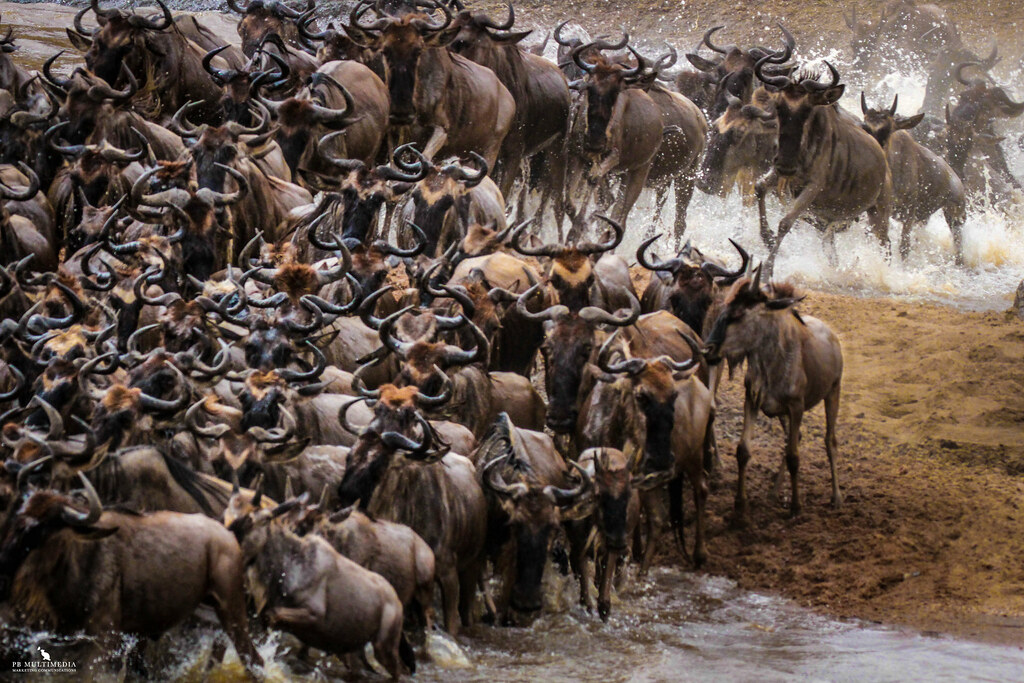
During the Great Migration season, usually between July and October, large herds of wildebeests and zebras move through the Mara ecosystem from the Serengeti. River crossings may occur during this period, but they are natural events and cannot be guaranteed.
The Mara is also an excellent destination for travellers interested in a Kenya Big Five Safari. The Big Five—lion, leopard, elephant, buffalo and rhino—are among the most sought-after animals on an African safari.
You can enjoy a picnic lunch in a designated area before continuing with afternoon game viewing.
Optional activities may include a hot-air balloon safari or a visit to a nearby Maasai community, depending on availability and arrangements.
Overnight in the Maasai Mara.
Day 6: Maasai Mara to Nairobi
Enjoy breakfast before departing the Maasai Mara for Nairobi.
The return journey offers another opportunity to appreciate Kenya’s rural landscapes and the changing scenery of the Great Rift Valley.
Depending on your departure time and arrangements, you may stop for photographs or refreshments along the way.
Travellers planning a longer independent journey can combine the Mara with other destinations through Kenya Self-Drive Safari Packages. A suitable 4×4 vehicle provides flexibility when connecting different national parks and conservancies.
Arrive in Nairobi in the afternoon or evening.
Overnight in Nairobi or proceed to your next destination.
Day 7: Nairobi City Tour and Departure
After breakfast, enjoy a short Nairobi city experience before your departure.
Depending on your available time, optional activities may include visiting the Giraffe Centre, the Karen Blixen Museum or the Nairobi National Museum. You may also explore local markets and enjoy a final taste of Kenyan cuisine.
If you have additional time, you can extend your safari to other destinations such as Amboseli National Park, Tsavo East, Tsavo West or Samburu National Reserve.
Your seven-day Kenya primates and wildlife safari ends with a transfer to the airport or continuation of your journey.
Primates to Discover During the Safari
Kenya is home to several primate species, although the main chimpanzee experience on this itinerary takes place at the protected sanctuary in Ol Pejeta.
Chimpanzees at Ol Pejeta: The Sweetwaters Chimpanzee Sanctuary cares for rescued chimpanzees. Visitors learn about their behaviour, protection and welfare.
Olive baboons: These adaptable primates are found in different habitats across Kenya and are frequently seen in woodland and open savannah environments.
Vervet monkeys: Vervet monkeys are common in many parts of Kenya, including woodland areas and habitats close to water.
Sykes’ monkeys: Also known as blue monkeys, these forest-dwelling primates can be found in suitable forest habitats in Kenya.
Colobus monkeys: Colobus monkeys are associated with forest environments and are known for their distinctive black-and-white coats.
The itinerary can be adjusted to include additional forest destinations where primate viewing is a priority.
Wildlife You Can Expect to See
This safari combines three important wildlife destinations, each offering different opportunities for animal viewing.
At Ol Pejeta, visitors can look for chimpanzees at the sanctuary, black and white rhinos, elephants, lions, buffaloes, zebras and giraffes.
Lake Nakuru is particularly rewarding for rhinos, Rothschild’s giraffes, buffaloes, zebras and birdlife.
The Maasai Mara offers some of Kenya’s best opportunities to see lions, leopards, cheetahs, elephants, buffaloes, wildebeests, zebras and many other savannah species.
Together, these destinations provide an excellent introduction to a Kenya Safari Packages experience.
Best Time for a Kenya Primates and Wildlife Safari
Kenya can be visited throughout the year, but the best travel period depends on your wildlife interests and preferred weather conditions.
January to March: These months are generally favourable for wildlife viewing, with relatively dry conditions in many safari areas.
June to October: This is a popular safari season, with generally favourable game-viewing conditions. The Great Migration reaches the Maasai Mara during part of this period.
November to December: Short rains may occur, but many parks remain accessible and wildlife viewing can still be rewarding.
April to May: These months generally receive heavier rainfall in many parts of Kenya. Travellers may encounter greener landscapes, fewer visitors and more challenging road conditions.
For a combination of chimpanzee sanctuary visits, rhino conservation and classic savannah wildlife, the itinerary can be organised in different seasons.
Self-Drive or Guided Kenya Safari?
Travellers can experience this itinerary with a professional driver-guide or independently through a self-drive arrangement.
A guided safari is suitable for visitors who prefer professional wildlife interpretation, assistance with park logistics and a driver familiar with local roads and wildlife areas.
A self-drive safari offers flexibility, independence and the opportunity to travel at your own pace. It is particularly attractive to experienced travellers who enjoy planning their own journeys.
For independent travellers, Kenya Car Hire with Rooftop Tent can be an option for longer camping journeys, depending on vehicle availability and camping arrangements. A conventional 4×4 with suitable ground camping equipment may also be considered.
When planning a self-drive safari, check park regulations, road conditions, vehicle requirements, accommodation access and cross-border permissions if combining Kenya with neighbouring countries.
Optional Extension: Add Amboseli National Park
Travellers with extra days can extend the itinerary to Amboseli National Park.
Amboseli is famous for its large elephant herds and spectacular views of Mount Kilimanjaro on clear days. The park also supports lions, buffaloes, zebras, wildebeests, giraffes and many bird species.
An Amboseli extension creates a broader wildlife experience and is an excellent addition to a longer East Africa Wildlife Safari.
Other possible extensions include Samburu National Reserve, Tsavo East, Tsavo West and the Kenyan coast.
Safari Inclusions
A typical package can include:
- Accommodation during the safari.
- Meals as specified in the itinerary.
- Transport in a safari vehicle.
- Services of a professional driver-guide for guided packages.
- Game drives in the listed destinations.
- Chimpanzee sanctuary visit arrangements.
- Park and conservancy activities as specified in the quotation.
- Airport transfers where included.
Safari Exclusions
Unless specifically included in your quotation, the following may be excluded:
- International flights.
- Kenya entry visa or travel authorisation costs, where applicable.
- Travel insurance.
- Personal expenses.
- Tips and gratuities.
- Optional activities.
- Drinks and items not included in the meal plan.
- Any additional accommodation before or after the safari.
- Vehicle rental, fuel and camping equipment for self-drive packages unless specified.
Frequently Asked Questions
Can I see wild chimpanzees in Kenya?
Kenya does not offer wild chimpanzee trekking comparable to the experiences available in some other East African countries. The chimpanzee experience on this itinerary is at the Sweetwaters Chimpanzee Sanctuary in Ol Pejeta Conservancy, where rescued chimpanzees are cared for in a protected environment.
Where can I see the Big Five in Kenya?
The Maasai Mara and Ol Pejeta Conservancy are among the destinations where visitors can search for the Big Five. Sightings are never guaranteed, and rhino viewing opportunities vary by destination.
Is seven days enough for a Kenya wildlife safari?
Seven days is a good amount of time to combine Ol Pejeta, Lake Nakuru and the Maasai Mara. It allows travellers to experience chimpanzee conservation, rhino protection and classic savannah game drives without rushing through too many destinations.
Can I do this safari on a self-drive basis?
Yes. Experienced travellers can organise the journey as a self-drive safari, subject to vehicle suitability, park rules, accommodation arrangements and road conditions. A reliable 4×4 is recommended for many safari routes.
Can I combine Kenya with Tanzania?
Yes. Kenya and Tanzania can be combined into a longer East African safari. Popular combinations include the Maasai Mara and Serengeti, Amboseli and Kilimanjaro-area destinations, or a wider journey covering several national parks in both countries. Confirm vehicle cross-border permissions and insurance arrangements before travelling.
What is the best time to visit the Maasai Mara?
The Maasai Mara is rewarding throughout the year. July to October is particularly popular because large herds of wildebeests and zebras usually enter the Mara ecosystem during the Great Migration period. The timing and location of river crossings vary each year.
Book Your 7-Day Kenya Primates and Wildlife Safari
Experience Kenya’s extraordinary wildlife through a journey combining chimpanzee conservation at Ol Pejeta, rhino viewing at Lake Nakuru and unforgettable game drives in the Maasai Mara.
Whether you prefer a guided safari or an independent road trip, this itinerary can be adapted to your travel dates, accommodation preferences and budget.
Contact our team to arrange your Kenya Wildlife Safari, request a guided safari quotation or plan a flexible Self-Drive in Kenya adventure with a suitable 4×4 rental vehicle.