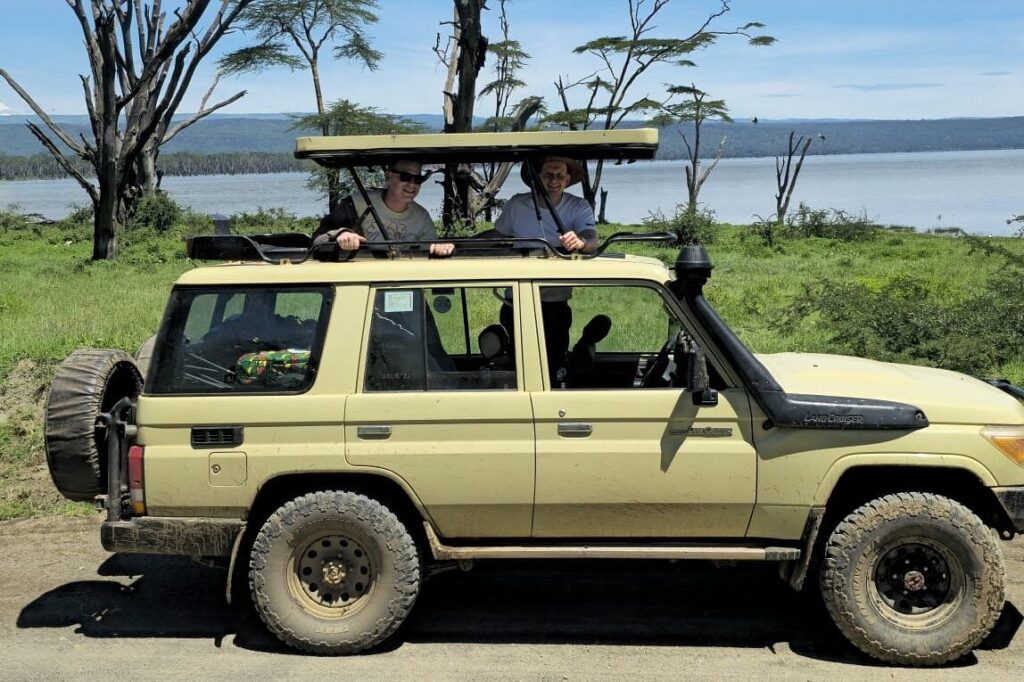
Masai Mara National Reserve Self-Drive Safari
A Masai Mara self-drive safari is one of the most exciting ways to experience Kenya’s famous wildlife landscapes. Located in southwestern Kenya near the Tanzania border, the Masai Mara is renowned for its abundant wildlife, open grasslands, spectacular scenery, Maasai culture and its connection to the annual Great Migration.
For adventurous travellers, renting a suitable 4×4 and driving yourself into the Mara provides the freedom to explore the reserve and surrounding conservancies at your own pace. You can choose your own route, spend more time at wildlife sightings and combine the Masai Mara with other Kenyan destinations such as Nairobi, Lake Naivasha, Lake Nakuru, Amboseli and the Kenyan coast.
Whether you are planning a short Kenya safari or a longer East Africa self-drive adventure, the Masai Mara is an unforgettable destination.
Where Is the Masai Mara?
The Masai Mara National Reserve is located in southwestern Kenya in Narok County, close to the border with Tanzania.
The reserve forms part of the larger Mara-Serengeti ecosystem, which extends across the Kenya-Tanzania border. The open savannah, rolling hills and seasonal rivers create an ideal environment for a wide variety of wildlife.
The nearest major city is Nairobi, from where travellers can begin their self-drive journey towards the Mara.
Several access routes lead towards the reserve, with different gates and surrounding conservancies providing access to different areas of the ecosystem.
Can You Self-Drive to the Masai Mara?
Yes. Travellers can drive themselves from Nairobi to the Masai Mara using a suitable rental vehicle.
The journey takes you from Nairobi through the Kenyan countryside towards Narok and eventually into the Mara region.
However, driving inside the reserve is different from driving on normal Kenyan roads. Some tracks can be rough, muddy or uneven, particularly during rainy periods.
A 4×4 safari vehicle with good ground clearance is therefore highly recommended for travellers planning to explore the reserve independently.
Before entering the reserve, make sure you understand the current park entry rules, opening hours, vehicle requirements and applicable conservation or entrance fees.
Why Choose a Masai Mara Self-Drive Safari?
Self-drive travel gives you greater flexibility than a fixed group safari.
You can:
- Choose your own departure time.
- Decide how long to stay at wildlife sightings.
- Travel at your preferred pace.
- Combine the Mara with other Kenyan destinations.
- Choose between camping and lodge accommodation.
- Create a longer Kenya-Tanzania road trip.
- Explore surrounding conservancies where permitted.
- Take your time enjoying the landscape and local communities.
For experienced travellers who enjoy independent travel, the journey itself becomes part of the safari experience.
Driving From Nairobi to the Masai Mara
Many self-drive visitors begin their trip in Nairobi.
From Nairobi, the journey heads towards the Great Rift Valley and continues through towns and rural landscapes before reaching Narok and the Mara region.
The drive offers beautiful scenery, but travellers should avoid treating the journey as simply a transfer from one point to another.
The Great Rift Valley viewpoints, rural communities, farms and changing landscapes provide plenty of opportunities to stop and explore.
Once you leave the main highways and approach the Mara, road conditions can become more challenging. This is where a capable 4×4 becomes particularly valuable.
Choosing the Right 4×4 for the Masai Mara
The vehicle you choose can have a major impact on your self-drive safari.
A reliable 4×4 with good ground clearance, suitable tyres and enough luggage space is recommended.
Toyota Land Cruiser
A Toyota Land Cruiser is a popular choice for self-drive safaris in Kenya.
Its high ground clearance, robust construction and off-road capability make it suitable for rough tracks and challenging conditions.
Toyota Hilux
The Toyota Hilux is another practical option, particularly for travellers who want a pickup-based safari vehicle.
It can also be equipped with camping equipment for travellers planning to spend nights in campsites.
4×4 With Rooftop Tent
For travellers who want maximum flexibility, a 4×4 with rooftop tent allows you to combine transportation and accommodation.
Depending on the rental package, equipment may include:
- Rooftop tent
- Mattress
- Sleeping bags
- Camping table
- Camping chairs
- Fridge or cooler
- Cooking equipment
- Gas stove
- Kitchen utensils
- Water containers
- Recovery equipment
- Spare tyre
Camping locations and rules vary, so always confirm where overnight camping is permitted before setting up your tent.
Wildlife in the Masai Mara
The Masai Mara is one of Kenya’s most famous wildlife destinations.
The reserve supports large populations of wildlife, including:
- Lions
- Leopards
- Cheetahs
- Elephants
- Buffaloes
- Giraffes
- Hippos
- Crocodiles
- Zebras
- Wildebeest
- Impalas
- Gazelles
- Hyenas
- Warthogs
The Mara is particularly famous for its big cats and large concentrations of herbivores.
A self-drive safari allows you to spend time searching for wildlife while following the reserve’s rules and designated driving routes.
The Great Migration
The Great Migration is one of the most famous natural spectacles in Africa.
Every year, huge numbers of wildebeest, zebras and other grazing animals move through the Serengeti-Mara ecosystem in search of fresh grazing and water.
The Mara forms the northern part of this ecosystem, while Tanzania’s Serengeti occupies the southern section.
Migration movements are driven by rainfall, grazing conditions and water availability, so the exact timing and location of wildlife concentrations vary from year to year.
Travellers interested in witnessing the migration should therefore avoid treating a particular calendar date as a guarantee of seeing river crossings.
The Mara River crossings, when they occur, can be spectacular, but they are natural events and cannot be scheduled precisely.
Masai Mara River Crossings
The Mara River is one of the defining features of the ecosystem.
During periods when migrating herds are moving through the area, animals may gather around river crossings.
Watching wildebeest and zebras approach and cross the river can be an extraordinary wildlife experience.
However, river crossings are unpredictable. Animals may gather for hours before crossing, change direction or cross at another location.
A self-drive traveller should remain patient and follow the instructions of rangers and reserve authorities.
Big Cats of the Masai Mara
The Mara is particularly famous for its predators.
Lions can often be seen resting in open grasslands, while cheetahs are well adapted to hunting across the savannah.
Leopards are more elusive and may require patience and local knowledge to locate.
One advantage of self-driving is the ability to spend additional time in an area when wildlife activity is particularly interesting.
However, visitors should always maintain appropriate distances and follow the reserve’s wildlife-viewing regulations.
Maasai Culture
A Masai Mara safari is not only about wildlife.
The region is also home to Maasai communities whose traditional culture is closely connected to the landscape.
Visitors can arrange cultural experiences that provide opportunities to learn about traditional homes, livelihoods, crafts, music and dance.
Responsible cultural tourism should focus on respectful interaction and ensuring that communities benefit from tourism activities.
Conservancies Around the Masai Mara
The wider Mara ecosystem includes several private and community conservancies surrounding the national reserve.
These areas can provide additional opportunities for wildlife viewing and cultural experiences.
Some conservancies operate under different rules from the main reserve and may offer activities such as guided walks, night drives or cultural visits where permitted.
If you are travelling by rental vehicle, confirm in advance whether your vehicle is permitted to enter the particular conservancy you plan to visit.
Masai Mara Gates
The reserve has several access points, and your choice of gate can influence your route and accommodation.
Your rental company or safari planner can help you determine which access point is most suitable based on your accommodation, itinerary and intended wildlife areas.
Avoid choosing an entry gate solely based on the shortest driving distance. Consider where you will stay and which parts of the ecosystem you want to explore.
Camping in the Masai Mara
Camping is an attractive option for independent travellers who want to experience the African wilderness more closely.
A rooftop tent provides a convenient way to travel with your accommodation while maintaining flexibility.
However, camping within protected areas is regulated, and travellers should only use authorized campsites.
A typical camping setup can include:
4×4 vehicle + rooftop tent + mattress + sleeping bags + fridge + cooking equipment + table + chairs + basic recovery equipment.
For longer Kenya-Tanzania road trips, camping equipment can also make it easier to travel between national parks without relying entirely on lodge accommodation.
Accommodation Options
Travellers visiting the Masai Mara can choose from a wide range of accommodation.
Options include:
- Budget campsites
- Tented camps
- Mid-range safari camps
- Luxury tented camps
- Lodges
- Private conservancy accommodation
For self-drive travellers, location is particularly important.
A property that looks close to the reserve on a map may still involve a significant drive depending on the road and gate you use.
Choose accommodation based on your planned activities and the area of the Mara you want to explore.
Combining Masai Mara With Other Kenyan Destinations
One of the biggest advantages of self-driving is the ability to create your own Kenya itinerary.
A popular road-trip route can include:
Nairobi → Lake Naivasha → Lake Nakuru → Masai Mara → Nairobi
For a longer journey, you can continue towards:
Masai Mara → Amboseli → Nairobi
or travel towards the Kenyan coast after completing your safari.
Travellers with more time can also combine the Mara with Mount Kenya, Samburu, Tsavo National Parks and the beaches around Mombasa and Diani.
Kenya and Tanzania Self-Drive
The Masai Mara is particularly interesting for travellers planning a Kenya-Tanzania self-drive safari because it is connected ecologically to the Serengeti.
A longer itinerary could include:
Nairobi → Masai Mara → Tanzania → Serengeti → Ngorongoro → Tarangire → Arusha
This route allows travellers to experience both sides of the Mara-Serengeti ecosystem.
However, international vehicle travel requires careful planning.
Before booking a cross-border rental, confirm:
- Whether the vehicle can cross the border.
- Insurance requirements.
- Border documentation.
- Vehicle authorization.
- Cross-border fees.
- Customs requirements.
- National park regulations.
- Where the vehicle can be returned.
Masai Mara to Serengeti
The geographical connection between the Masai Mara and Serengeti makes a Kenya-Tanzania safari particularly attractive.
The two protected areas form part of the same wider ecosystem, but travelling between them involves an international border crossing and specific logistical requirements.
Travellers should not assume that a normal Kenyan rental vehicle can automatically enter Tanzania.
Cross-border arrangements must be approved by the rental company before the trip.
Best Time for a Masai Mara Self-Drive Safari
The Masai Mara can be visited throughout the year.
Wildlife viewing is generally possible year-round, although the landscape and animal movements change with rainfall and seasonal conditions.
Travellers interested in the Great Migration often plan their trips around the period when large numbers of migrating animals are expected in the Mara.
However, migration timing varies from year to year.
The dry periods can provide favourable conditions for wildlife viewing and driving, while rainy periods can transform the landscape and create challenging road conditions.
If you are planning a self-drive trip, consider both wildlife conditions and road conditions when selecting your travel dates.
What to Pack for a Masai Mara Self-Drive
A self-drive safari requires a combination of normal travel equipment and safari-specific items.
Recommended items include:
- Lightweight clothing
- Warm clothing for early mornings
- Comfortable shoes
- Sun hat
- Sunglasses
- Sunscreen
- Insect repellent
- Camera
- Binoculars
- Power bank
- Flashlight or headlamp
- Reusable water bottle
- Personal first-aid kit
- Spare batteries
- Passport
- Driving licence
- Rental agreement
- Insurance documents
If you are camping, also make sure your rental package contains the camping equipment you actually need.
Self-Drive Safety Tips
Driving in a wildlife reserve requires greater awareness than normal road travel.
Always follow the instructions and regulations of the reserve.
Stay on Authorized Roads
Do not create your own tracks or drive into restricted areas.
Keep a Safe Distance From Animals
Wild animals can be unpredictable. Never approach animals too closely or attempt to block their movement.
Avoid Driving Too Fast
Safari tracks can contain potholes, rocks, mud and unexpected wildlife.
Carry Enough Water
Keep sufficient drinking water in the vehicle, particularly when spending long hours away from your accommodation.
Plan Your Fuel
Fuel stations are not available throughout the reserve. Fill your tank before entering remote areas.
Carry Recovery Equipment
For longer self-drive journeys, recovery equipment can be extremely useful.
A rental vehicle should ideally have appropriate tyres, a spare wheel and basic recovery equipment.
How Many Days Do You Need?
A 3- to 4-day Masai Mara self-drive safari can provide a good introduction to the area.
A longer stay gives you more time to explore different sections of the ecosystem and increases the flexibility of your wildlife-viewing schedule.
An example itinerary is:
Day 1: Nairobi → Masai Mara
Day 2: Full-day Masai Mara game drive
Day 3: Full-day game drive and Maasai cultural experience
Day 4: Masai Mara → Nairobi
Travellers planning the Great Migration may choose to stay longer to increase their opportunities to experience different wildlife areas.
Example 7-Day Kenya Self-Drive Safari
Day 1 – Nairobi
Arrive in Nairobi, collect your 4×4 and prepare for your safari.
Day 2 – Nairobi to Lake Naivasha
Drive through the Great Rift Valley towards Lake Naivasha.
Spend the night around the lake.
Day 3 – Lake Naivasha to Lake Nakuru
Continue towards Lake Nakuru and enjoy a wildlife experience in the area.
Day 4 – Lake Nakuru to Masai Mara
Drive towards the Masai Mara.
Enter the Mara region and enjoy an afternoon game drive if time allows.
Day 5 – Full-Day Masai Mara
Spend the entire day exploring the reserve.
Search for lions, elephants, cheetahs, leopards, giraffes, zebras and other wildlife.
Day 6 – Masai Mara
Enjoy another full day in the Mara or combine your wildlife experience with a cultural visit.
Day 7 – Masai Mara to Nairobi
Leave the Mara and drive back towards Nairobi.
Practical Tips for Your Masai Mara Road Trip
A successful self-drive safari requires more preparation than an ordinary holiday road trip.
Before leaving Nairobi:
- Check your tyres.
- Check the spare wheel.
- Check fuel levels.
- Confirm your insurance.
- Confirm your park access arrangements.
- Download or carry offline maps.
- Carry sufficient drinking water.
- Check the weather.
- Confirm your accommodation.
- Make sure you understand the vehicle’s 4×4 system.
If you are travelling during the rainy season, ask your rental provider about current road conditions and whether additional recovery equipment is recommended.
Masai Mara Self-Drive With a Rooftop Tent
A 4×4 rental with rooftop tent is ideal for travellers who want to experience Kenya independently.
You can drive from Nairobi into the Mara region, carry your camping equipment with you and choose authorized campsites along your route.
This style of travel is particularly suitable for experienced travellers who enjoy outdoor adventures and want flexibility during their safari.
A fully equipped camping 4×4 can provide everything needed for an independent road trip, from sleeping equipment to cooking supplies.
Start Your Masai Mara Self-Drive Adventure
A Masai Mara self-drive safari combines freedom, wildlife and adventure.
From the rolling landscapes of the Great Rift Valley to the open grasslands of the Mara, travelling independently gives you the opportunity to experience Kenya at your own pace.
Whether you are looking for a simple 4×4 rental, a 4×4 with rooftop tent, or a longer Kenya-Tanzania self-drive safari, choosing the right vehicle and planning your route carefully are essential.
For travellers planning a multi-country East African adventure, the Masai Mara can also be combined with Tanzania’s Serengeti, Ngorongoro, Tarangire and other major safari destinations.
Contact us to arrange your Kenya 4×4 rental, rooftop tent camping vehicle or Kenya-Tanzania self-drive safari.
Frequently Asked Questions
Can I self-drive in the Masai Mara?
Yes. Travellers can drive themselves to and within the Masai Mara using a suitable rental vehicle, provided they follow the reserve’s regulations.
Do I need a 4×4 for the Masai Mara?
A capable 4×4 is strongly recommended, especially for travellers planning to explore different areas of the Mara or travel during wetter conditions.
Can I rent a Toyota Land Cruiser for a Masai Mara self-drive?
Yes, depending on vehicle availability. Toyota Land Cruisers are widely used for safari travel because of their ground clearance and off-road capability.
Can I rent a rooftop tent vehicle?
Yes. Depending on availability, travellers can arrange a 4×4 equipped with a rooftop tent and camping equipment.
Can I camp in the Masai Mara?
Camping is possible at authorized campsites. Travellers should confirm current camping rules and campsite availability before entering the reserve.
Can I combine Masai Mara and Serengeti?
Yes. The Masai Mara and Serengeti form part of the same wider ecosystem and can be combined in a Kenya-Tanzania safari.
Can I drive a Kenyan rental car into Tanzania?
Only if the rental company has specifically authorized cross-border travel and provided the required documentation and insurance arrangements.
How many days should I spend in Masai Mara?
Three to four days is a useful starting point, while travellers interested in a more relaxed safari or the Great Migration may prefer a longer stay.
Is Masai Mara suitable for first-time self-drive travellers?
Self-driving in a wildlife reserve requires preparation and careful adherence to park regulations. Travellers without previous safari-driving experience should familiarize themselves with local rules and consider professional guidance where appropriate.
Book Your Kenya Self-Drive 4×4
Ready to explore the Masai Mara independently?
Choose a reliable Kenya 4×4 rental and create your own safari itinerary through the Masai Mara and beyond.
From vehicle-only rentals to fully equipped rooftop tent camping 4x4s, we can help you plan a self-drive adventure that matches your route, travel dates and camping requirements.