Self Drive in Kenya
Self-drive Kenya trips have become the go-to way for independent travelers to experience the country’s extraordinary landscapes, from the golden plains of the Maasai Mara to the flamingo-lined shores of Lake Nakuru and the white-sand beaches of the coast. Driving yourself in Kenya means setting your own pace, stopping wherever the view demands it, and building an itinerary around your own interests rather than a fixed group schedule. This guide covers everything you need to plan a safe, well-informed self-drive trip in Kenya, including rental requirements, vehicle choice, road conditions, costs, top routes, and safety tips for driving through national parks and rural highways
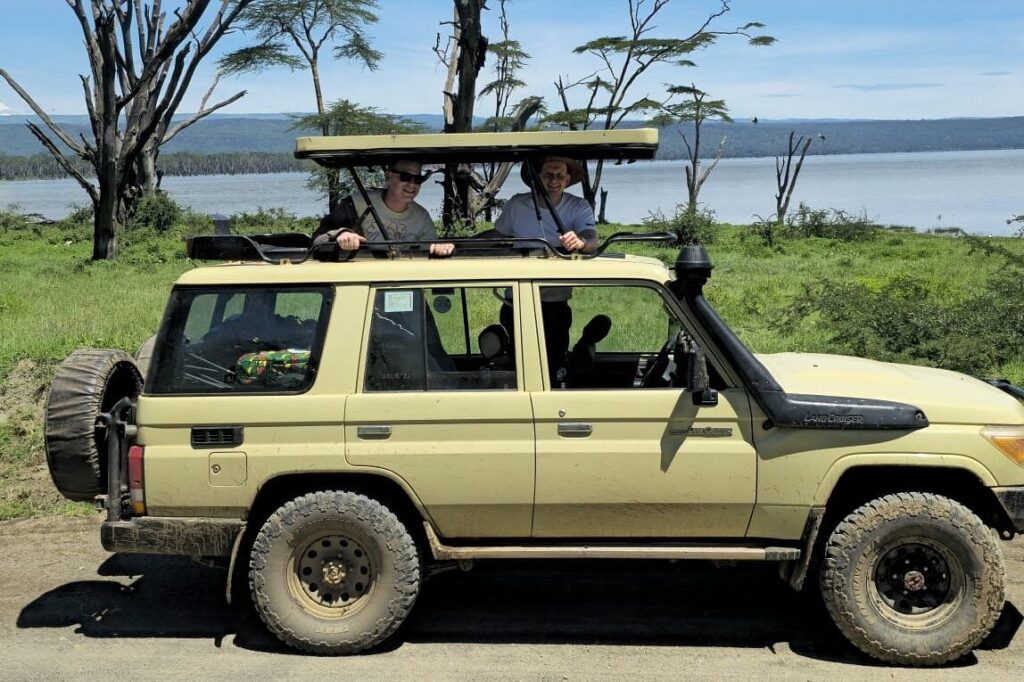
Why Choose a Self-Drive in Kenya
Kenya offers one of the best-developed self-drive tourism networks in East Africa. Major highways connecting Nairobi, Nakuru, Mombasa, and Kisumu are tarmacked and well signposted, and many of the country’s most famous parks, including Amboseli, Lake Nakuru, and Nairobi National Park, are within a few hours of the capital. Renting a car and driving yourself gives you full control over your route and pace, lets you linger at a waterhole or viewpoint for as long as you like, and typically costs significantly less than a fully guided safari package.
- Complete flexibility to build a custom itinerary and change plans on the go
- Lower overall cost compared with chauffeur-driven or fully guided safari packages
- Freedom to stop for photography, birdwatching, or roadside villages and markets
- A closer, more immersive connection with the landscapes you are driving through
- No dependence on a driver-guide’s schedule or preferred stops
Requirements for Self-Drive Car Rental in Kenya
Kenyan car rental companies apply fairly consistent requirements across the industry, though exact age limits and deposit amounts vary between agencies. Before booking, check your chosen company’s specific policy, especially if you are under 25 or planning to cross into Tanzania or Uganda.
Requirement | Details |
Minimum age | Most agencies require 23-25 years old; some accept drivers from 21 with a surcharge |
Driving experience | At least 3 years of driving experience is standard across rental companies |
Driver’s license | Valid home-country license in the Latin alphabet; other scripts require an IDP |
International Driving Permit (IDP) | Not always mandatory, but strongly recommended for all foreign visitors |
Validity period | Foreign licenses are generally valid for up to 90 days of driving in Kenya |
Passport and visa | Valid passport plus Kenyan visa or eTA confirmation |
Security deposit | Typically KES 20,000-100,000 (about USD 150-750), held on a credit card |
Cross-border travel | Standard rentals prohibit crossing into Tanzania or Uganda without special logbook and East Africa insurance documentation |
Good to Know Kenya drives on the left, and most rental vehicles are right-hand drive. Carry original documents at all times; photocopies are not accepted at police checkpoints. Photograph or film the vehicle before you drive off to avoid disputes over existing damage at drop-off. |
Choosing the Right Vehicle for Kenya
Vehicle choice should be driven by your itinerary. A standard sedan is fine for tarmac routes between Nairobi, Nakuru, and the coast, but any trip that includes national park game drives, rural roads, or the rainy season calls for a 4×4 with genuine ground clearance.
Vehicle Type | Best For | Typical Daily Rate (USD) |
Sedan / compact | City travel and paved highway routes only | $35 – $55 |
Standard SUV (RAV4, X-Trail) | Mixed tarmac and light off-road, small groups | $60 – $110 |
4×4 Safari vehicle (Land Cruiser, Prado) | National parks, rural roads, longer safaris | $120 – $250 |
4×4 with rooftop tent | Self-drive camping safaris across multiple parks | $140 – $260 |
A standard Class B license is sufficient to drive safari vehicles such as the Land Cruiser or Prado; no special category is required. Confirm the vehicle’s fuel policy before you sign, since most companies operate on a dry-hire, same-to-same fuel basis and quote rates that exclude fuel, park entry fees, and toll roads such as the Nairobi Expressway.
Best Self-Drive Routes and Itineraries in Kenya
Nairobi to Maasai Mara
The classic Kenyan self-drive route runs from Nairobi through Narok to the Maasai Mara National Reserve, a drive of roughly five to six hours on a mix of tarmac and murram road. This route rewards travelers with some of the best wildlife viewing in Africa, particularly during the July-to-October wildebeest migration. A 4×4 is essential for the final stretch into the reserve, especially in the rainy season.
Nairobi to Amboseli National Park
Amboseli sits about four hours south of Nairobi and is famous for large elephant herds set against the backdrop of Mount Kilimanjaro. The route via Namanga is largely tarmacked, making it one of the more accessible self-drive parks for travelers with a standard SUV rather than a full off-road 4×4.
Nairobi to Lake Nakuru and Lake Naivasha
This Rift Valley loop is ideal for a shorter self-drive break, combining Lake Naivasha’s boat rides and Hell’s Gate National Park with Lake Nakuru’s rhino sanctuary and birdlife. The drive from Nairobi takes around two to three hours on well-maintained highway, making it one of the easiest introductions to self-drive travel in Kenya.
Nairobi to the Coast (Diani and Mombasa)
The coastal route runs along the Nairobi-Mombasa highway, a long but largely tarmacked drive of eight to nine hours. Many self-drive travelers break the journey at Tsavo East or Tsavo West National Park, combining a coastal beach holiday with a safari stop along the way.
Road Conditions and Driving Tips
Kenya’s major highways connecting Nairobi, Mombasa, and Kisumu are generally well maintained, but conditions change quickly once you leave the main tarmac routes. Rural roads and park tracks range from graded murram to deep mud in the rainy season, and potholes are common even on some primary roads.
- Kenya drives on the left; overtaking is on the right
- Avoid night driving outside major towns wherever possible; road markings and lighting are inconsistent
- Watch for matatus (minibus taxis), boda bodas (motorbike taxis), and livestock crossing unexpectedly
- Reduce speed well before speed bumps near towns and trading centers
- Carry a spare tire, jack, basic tools, and extra drinking water on any rural or park route
- Fill up whenever you pass a fuel station in remote areas; stations can be sparse near parks
- Save the numbers for your rental company and local emergency services before you set off
Safety Note Always stop and render assistance if you are first on the scene of an accident, then contact local authorities and your rental agency. Confirm your rental’s insurance covers off-road park driving, since some policies exclude damage sustained off tarmac. Check current U.S. and UK government travel advisories for Kenya before finalizing remote or border-area routes. |
Self-Drive Kenya Costs: What to Budget
Total self-drive costs in Kenya depend heavily on vehicle type, trip length, and how many national parks you plan to visit, since park entry fees are charged separately from the vehicle rental.
Cost Item | Typical Range |
Sedan rental | $35 – $55 per day, dry hire |
4×4 safari vehicle rental | $120 – $250 per day, dry hire |
Security deposit | KES 20,000 – 100,000 (about $150 – $750) |
Fuel | Excluded from rental rate; budget separately |
National park entry fees | $40 – $80 per person per day, park-dependent |
Vehicle park entry fee | Charged separately per vehicle at most parks |
Nairobi Expressway toll | Charged per use; not included in rental quotes |
Best Time for a Self-Drive Trip in Kenya
The dry seasons, from late June to October and again from January to February, offer the best driving conditions, with firmer park roads and easier wildlife viewing as animals gather around permanent water sources. The long rains from March to May and the shorter rains in November can make murram roads and park tracks difficult or impassable without a capable 4×4, so factor the season into both your vehicle choice and your route planning.
Frequently Asked Questions About Self-Drive Kenya
Do I need an International Driving Permit to self-drive in Kenya?
It is not always strictly mandatory if your home license is in the Latin alphabet, but an IDP is strongly recommended for all foreign visitors as it provides an additional layer of verification and helps avoid delays at checkpoints and rental counters.
Can I drive a rental car from Kenya into Tanzania or Uganda?
Only with special arrangement. Standard self-drive rentals in Kenya prohibit crossing international borders without the vehicle’s logbook and East Africa cross-border insurance. Flag any cross-border plans with your rental company at the time of booking.
Is self-drive safe for first-time visitors to Kenya?
Many first-time visitors self-drive successfully on well-paved routes such as Nairobi to Lake Nakuru or Nairobi to Amboseli. For longer, multi-park itineraries or less familiar rural routes, a driver-guide is often the safer and less stressful choice, particularly on a first trip to the country.
What type of car do I need for the Maasai Mara?
A 4×4 with genuine ground clearance is essential for the Maasai Mara, especially once you leave the main tarmac road at Narok. Park tracks inside the reserve can become deeply rutted or muddy during the rainy season, and a standard sedan is not suitable for this route.
Final Thoughts
A self-drive trip through Kenya rewards careful preparation with extraordinary freedom: the ability to chase the light for photography, linger over a herd of elephants, or take an unplanned detour to a roadside viewpoint. Choose the right vehicle for your route, carry the correct documents, respect the seasonal condition of park roads, and Kenya’s highways and tracks will open up some of the most rewarding self-drive territory in East Africa.