18-Day Kenya Self-Drive Safari Itinerary: Maasai Mara, Amboseli, Samburu and Lake Nakuru
Introduction: Discover Kenya on an 18-Day Self-Drive Safari
An 18-day Kenya self-drive safari offers an exciting opportunity to discover the country’s diverse landscapes, exceptional wildlife and rich cultural heritage at your own pace. From the elephant herds of Amboseli National Park to the open grasslands of Maasai Mara National Reserve, this extended road trip combines Kenya’s most celebrated safari destinations with quieter wilderness areas, scenic lakes and traditional highland landscapes.
Designed for independent travellers who enjoy flexibility and adventure, this itinerary begins and ends in Nairobi. It includes wildlife viewing in Amboseli, exploration of the northern wilderness around Samburu, birdwatching and rhino conservation experiences around Lake Nakuru, and several days in the world-famous Maasai Mara.
The route also includes Lake Naivasha, where travellers can enjoy the Rift Valley scenery and optional boat excursions, as well as Tsavo West or Tsavo East for a different safari experience before returning to Nairobi.
With a suitable 4×4 car rental in Kenya, advance accommodation planning and a realistic driving schedule, travellers can experience Kenya’s wildlife and landscapes without following a fixed guided-tour timetable.
Whether you are travelling as a couple, a family or a group of friends, this itinerary offers a balanced combination of game drives, scenic journeys, wildlife photography and time to enjoy each destination.
18-Day Kenya Self-Drive Safari at a Glance
- Duration: 18 days and 17 nights
- Start and finish: Nairobi, Kenya
- Main destinations: Maasai Mara, Amboseli, Samburu, Lake Nakuru, Lake Naivasha and Tsavo
- Travel style: Independent self-drive safari
- Recommended vehicle: Reliable 4×4 with high ground clearance
- Accommodation: Hotels, lodges, tented camps and guesthouses, according to budget and availability
- Best suited for: Couples, families, photographers, wildlife enthusiasts and adventurous travellers
Detailed 18-Day Kenya Self-Drive Safari Itinerary
Day 1: Arrival in Nairobi
Your Kenyan adventure begins in Nairobi, the country’s capital and the principal gateway to its safari destinations. Upon arrival at Jomo Kenyatta International Airport, collect your rental vehicle or arrange a transfer to your accommodation before collecting the vehicle the following morning.
Complete the vehicle handover, inspect the tyres and spare equipment, review the insurance terms and discuss road conditions with your rental provider. If you have time, purchase drinking water, snacks and other supplies for the journey.
Depending on your arrival time, you may explore parts of Nairobi or simply relax after your flight.
Spend the night at a hotel in Nairobi.
Highlights: Airport arrival, 4×4 vehicle arrangements, safari preparation and an introduction to Kenya’s capital.
Day 2: Nairobi to Amboseli National Park
After breakfast, leave Nairobi and travel south towards Amboseli National Park. The journey takes you through changing landscapes towards the open plains beneath Mount Kilimanjaro.
After arriving and completing the necessary entry arrangements, enjoy an afternoon game drive. Amboseli is particularly famous for its large elephant herds and spectacular views of Kilimanjaro when the weather is clear.
The park’s wetlands and open grasslands attract elephants, zebras, wildebeest, buffaloes and a variety of birds. Lions and other predators may also be encountered.
Spend the night at a lodge, camp or other suitable accommodation near the park.
Highlights: Mount Kilimanjaro views, elephants, open savannah and your first Kenyan game drive.
Day 3: Full-Day Safari in Amboseli National Park
Spend a full day exploring Amboseli, one of Kenya’s most recognizable wildlife destinations.
The park’s seasonal swamps and permanent wetlands attract wildlife throughout the year. Elephants are the main attraction, and photographers often seek images of these animals against the backdrop of Mount Kilimanjaro.
Explore authorized game-viewing tracks and watch for giraffes, zebras, wildebeest, buffaloes and different bird species. Early morning and late afternoon often provide attractive light for photography, while clear mountain views depend on weather conditions.
Enjoy a picnic lunch at an authorized site and return to your accommodation after the game drive.
Highlights: Elephant photography, wetlands, birdlife and views of Africa’s highest mountain.
Day 4: Amboseli to Nairobi
After breakfast, leave Amboseli and drive back towards Nairobi. This shorter transition day provides an opportunity to rest, organize supplies and prepare for the northern section of your safari.
Depending on your departure time and interests, you may visit a local market or enjoy a meal in the city. Travellers with additional time may arrange an optional Nairobi excursion, provided it fits comfortably into the day’s schedule.
Spend the night in Nairobi or at suitable accommodation on the route towards central Kenya.
Highlights: Scenic road journey, time to rest and preparation for the northern safari circuit.
Day 5: Nairobi to Samburu National Reserve
Depart early and travel north towards Samburu National Reserve, a destination known for its dry-country wildlife and distinctive landscapes.
The journey passes through Kenya’s central highlands and gradually enters the drier northern region. Depending on road conditions and traffic, the transfer can take much of the day.
Samburu lies along the Ewaso Ng’iro River, which attracts wildlife in an otherwise arid environment. If you arrive early enough and have completed the necessary entry formalities, enjoy an introductory game drive.
Spend the night at a lodge or camp near the reserve.
Highlights: Northern Kenya scenery, Ewaso Ng’iro River landscapes and the beginning of your Samburu wildlife experience.
Day 6: Full-Day Safari in Samburu National Reserve
Spend the day exploring Samburu, one of Kenya’s most distinctive wildlife destinations.
The reserve is famous for several northern species commonly grouped together as the Samburu Special Five: Grevy’s zebra, reticulated giraffe, gerenuk, Beisa oryx and Somali ostrich.
These animals are adapted to the region’s dry conditions and are not as commonly associated with Kenya’s southern safari circuit. The riverine habitats also support elephants, crocodiles, numerous birds and predators such as lions and leopards.
Enjoy morning and afternoon game drives, with a break during the hottest part of the day.
Return to your accommodation in the evening.
Highlights: Samburu Special Five, elephants, riverine habitats and northern Kenya’s unique wildlife.
Day 7: Another Day in Samburu
Spend another day exploring Samburu and its surrounding wilderness.
The extra time allows you to visit different areas of the reserve and improve your chances of seeing species missed on the previous day. You may follow suitable tracks along the river or explore open bushland where giraffes, antelopes and other wildlife forage.
Samburu is also rewarding for birdwatchers, with a range of species adapted to the arid environment. Wildlife sightings depend on the season, recent rainfall and animal movements.
If you prefer a cultural experience, ask your accommodation about respectful, locally guided community visits.
Spend another night near Samburu.
Highlights: Additional game drives, birdwatching, photography and optional community experiences.
Day 8: Samburu to Lake Nakuru National Park
Leave Samburu after breakfast and drive south towards Lake Nakuru National Park in Kenya’s Great Rift Valley.
The landscape changes from the dry northern region to greener highlands and the lake basin. After arrival and entry formalities, enjoy an afternoon game drive if time permits.
Lake Nakuru is well known for its rhino conservation efforts and offers opportunities to see white and black rhinoceroses, buffaloes, zebras, giraffes and various antelope species. Birdlife is also a major attraction, although flamingo numbers vary with water conditions and food availability.
Spend the night at accommodation in or around Nakuru, according to your preferences and park access arrangements.
Highlights: Rift Valley scenery, rhino conservation, lake habitats and birdwatching.
Day 9: Full-Day Safari in Lake Nakuru National Park
Dedicate the day to exploring Lake Nakuru National Park.
The park contains woodland, grassland, rocky hills and lakeshore habitats, supporting a diverse range of wildlife. It is particularly valued for rhino conservation and offers a chance to observe these endangered animals in a protected environment.
During game drives, look for giraffes, buffaloes, zebras, waterbirds and predators where present. The park’s changing habitats also make it a rewarding destination for photography.
Enjoy a picnic at an authorized location and continue exploring suitable tracks before leaving the park.
Spend another night in the Lake Nakuru area.
Highlights: Rhino viewing opportunities, wildlife photography, lake scenery and diverse habitats.
Day 10: Lake Nakuru to Lake Naivasha
After breakfast, travel to Lake Naivasha, a freshwater lake surrounded by farmland, acacia woodland and the dramatic scenery of the Great Rift Valley.
Depending on your interests, arrange an optional boat excursion with a licensed local operator. Hippos are commonly associated with the lake, and birdwatching can be excellent. Boat trips offer a different perspective on the ecosystem, but operators should follow safety instructions and maintain appropriate distances from wildlife.
You may also visit the nearby Crescent Island area if access and current conditions permit. Guided walking activities there can offer opportunities to observe herbivores in an open landscape.
Spend the night at a hotel or lodge near Lake Naivasha.
Highlights: Freshwater lake scenery, birdwatching, optional boat excursions and Rift Valley landscapes.
Day 11: Explore Hell’s Gate National Park and the Naivasha Region
Spend the day exploring the Naivasha region, including an optional visit to Hell’s Gate National Park.
Hell’s Gate is known for its dramatic cliffs, gorges, geothermal features and open landscapes. Depending on current park rules and conditions, visitors may be able to explore designated routes by vehicle, bicycle or on foot.
Because the park has different safety considerations from traditional big-game reserves, follow official guidance and use an authorized guide where required. Wildlife may include zebras, giraffes, buffaloes and antelopes, but large predator sightings are not the main attraction.
Return to Lake Naivasha for the night.
Highlights: Dramatic gorges, Rift Valley scenery, optional cycling or walking activities and landscape photography.
Day 12: Lake Naivasha to Maasai Mara National Reserve
Depart early for the journey to Maasai Mara National Reserve, one of Africa’s most celebrated wildlife destinations.
The drive passes through the Rift Valley and rural landscapes before reaching the Mara region. Allow sufficient time for the journey, accommodation check-in and entry arrangements.
If you arrive early enough, enjoy an afternoon game drive across the reserve’s grasslands. Maasai Mara supports large populations of lions, elephants, buffaloes, giraffes, zebras, wildebeest and many other species.
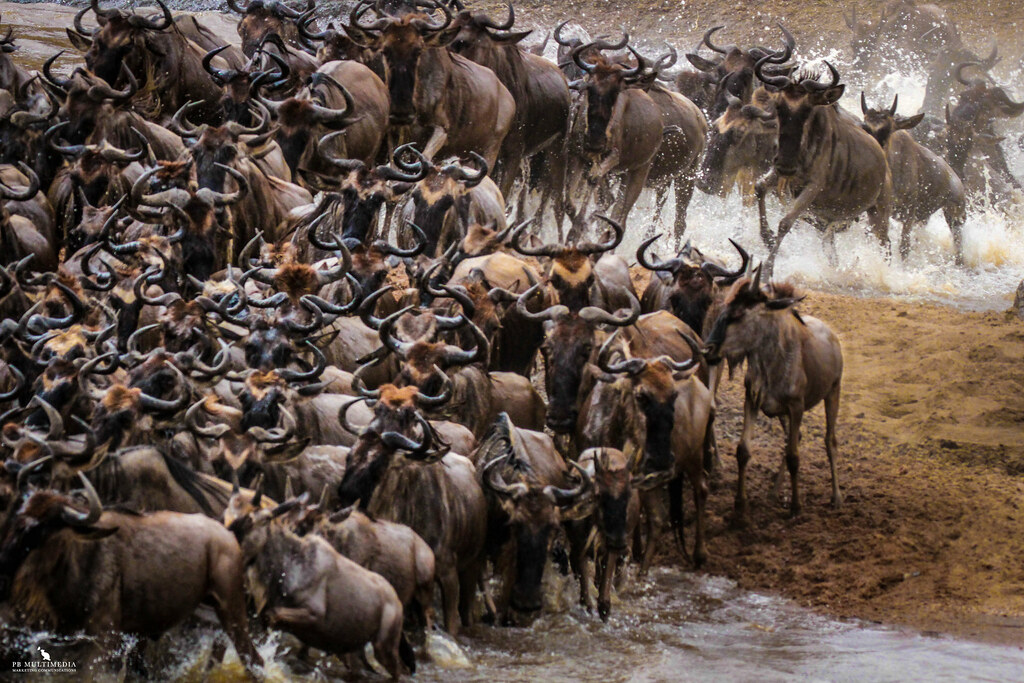
The reserve is also famous for its role in the Great Wildebeest Migration, when migrating herds may move between Tanzania’s Serengeti ecosystem and Kenya’s Mara region.
Spend the night at a suitable lodge or camp.
Highlights: Arrival in Maasai Mara, open grasslands, abundant wildlife and the start of your main safari experience.
Day 13: Full-Day Wildlife Safari in Maasai Mara
Spend a full day exploring Maasai Mara National Reserve.
The reserve is renowned for its large predator populations, including lions, cheetahs and leopards. Its open plains provide excellent opportunities for wildlife observation and photography.
Start early and follow authorized tracks through different sections of the reserve. Look for elephants, giraffes, zebras, topis, wildebeest and other herbivores, as well as predators that may be following the herds.
If you are travelling during the migration season, you may encounter large wildebeest and zebra concentrations. However, the timing and location of the herds vary, and river crossings cannot be guaranteed.
Enjoy a picnic lunch at an authorized site before continuing your afternoon game drive.
Highlights: Big cats, large herbivores, open savannah and potential migration sightings.
Day 14: Another Full Day in Maasai Mara
Dedicate a second full day to the Maasai Mara, allowing time to explore areas not covered on the previous day.
Wildlife sightings vary across the reserve, and spending additional time in the region can improve your opportunities to observe different species and animal behaviours.
Depending on the season, explore areas where wildebeest and zebras are present, search for lions resting in the grasslands or watch elephants moving across the plains.
A hot-air balloon safari may be available as an optional activity through an authorized operator. It normally requires an early departure and advance booking, and its cost is separate from your self-drive arrangements.
Return to your accommodation after the day’s activities.
Highlights: Extended game drives, wildlife photography and optional balloon safari.
Day 15: Maasai Mara to Tsavo West National Park
This is a long transfer day, and the route should be planned carefully. Travel from Maasai Mara towards the Tsavo region, allowing adequate time for road conditions, breaks and possible overnight logistics.
For a more relaxed trip, consider breaking this journey with an overnight stop near Nairobi or another suitable point along the route. Travellers who want to maintain the 18-day schedule can instead choose a different allocation of nights or prioritize one of the Tsavo parks rather than attempting to cover every destination.
If you reach the Tsavo area early enough to enter the park safely and complete formalities, enjoy a short afternoon game drive. Otherwise, rest at your accommodation and begin exploring the following morning.
Highlights: Changing Kenyan landscapes and transition from the Mara ecosystem towards the Tsavo wilderness.
Day 16: Explore Tsavo West National Park
Spend the day exploring Tsavo West National Park, a landscape of volcanic hills, rocky outcrops, bushland and natural springs.
The park supports elephants, giraffes, zebras, buffaloes and a variety of other wildlife. Predators may also be encountered, although sightings are never guaranteed.
Depending on access conditions and current regulations, visit Mzima Springs, a natural water source known for its clear water and aquatic wildlife. Follow park guidance and use designated viewing areas.
Tsavo West offers a different atmosphere from the open grasslands of Maasai Mara, making it a valuable addition for travellers seeking variety.
Spend the night at accommodation near or within the authorized park area, according to your budget and preferences.
Highlights: Volcanic scenery, Mzima Springs, elephants and diverse bushland habitats.
Day 17: Tsavo West to Nairobi
After breakfast, leave Tsavo West and drive back towards Nairobi.
Allow sufficient time for the road journey and traffic, especially as you approach the capital. Depending on your flight schedule, you may return the vehicle today or arrange a final airport handover the following day.
If your departure flight is scheduled for the morning of Day 18, staying in Nairobi or near the airport is generally the most practical option.
Spend the night in Nairobi.
Highlights: Final scenic drive, vehicle return planning and preparation for departure.
Day 18: Departure from Nairobi
Enjoy breakfast before transferring to Jomo Kenyatta International Airport for your departure flight.
Allow enough time for the journey, rental vehicle inspection and airport check-in. Confirm the return location, handover time and any outstanding rental charges with your provider in advance.
Your 18-day Kenya self-drive safari concludes after an adventure through the country’s remarkable wildlife reserves, lakes, highlands and savannahs.
Highlights: Departure arrangements and the conclusion of your Kenya safari.
Suggested Accommodation Plan for 17 Nights
The following is a suggested allocation of nights. The route should be adjusted to match flight times, driving preferences and the accommodation standard selected.
| Nights | Destination | Number of Nights |
|---|---|---|
| Day 1 | Nairobi | 1 |
| Days 2–3 | Amboseli area | 2 |
| Day 4 | Nairobi or central Kenya | 1 |
| Days 5–7 | Samburu area | 3 |
| Days 8–9 | Lake Nakuru area | 2 |
| Days 10–11 | Lake Naivasha | 2 |
| Days 12–14 | Maasai Mara area | 3 |
| Days 15–16 | Tsavo West area | 2 |
| Day 17 | Nairobi | 1 |
| Total | 18 days / 17 nights | 17 |
Important routing note: This itinerary covers a large area of Kenya. The journey from Maasai Mara to Tsavo West is particularly long and can make the schedule tiring. For a more comfortable self-drive holiday, consider an overnight stop between the Mara and Tsavo, reduce time in one of the northern destinations, or omit Tsavo and spend additional time in Maasai Mara or the Rift Valley. The final route should be confirmed using current road conditions and realistic driving times.
Best Time for an 18-Day Kenya Self-Drive Safari
Kenya is a year-round safari destination, but the season can influence wildlife movements, road conditions and the overall travel experience.
June to October: Dry-Season Wildlife Viewing
This is a popular period for wildlife viewing in many Kenyan reserves. Vegetation may be less dense, and animals can be easier to observe around water sources.
Maasai Mara can be especially rewarding during the migration season, although the arrival and movement of wildebeest vary from year to year. Amboseli and Samburu also offer excellent opportunities for wildlife viewing.
November to December: Short Rains and Green Landscapes
The short rains can bring fresh vegetation, attractive landscapes and good birdwatching opportunities. Weather conditions vary, and some unpaved roads may become more difficult.
This period can be appealing to travellers who prefer greener scenery and are flexible about wildlife sightings.
January to March: Warm Weather and Wildlife Viewing
These months can provide rewarding wildlife experiences across several Kenyan parks. Conditions vary by region, and the best destination choices depend on rainfall, local access and traveller interests.
April to May: Long Rains
The long rains can make some roads muddy and slower, especially in remote areas. Travellers planning a self-drive safari during this period should check road conditions and select a suitable vehicle.
Flexible accommodation arrangements and a realistic daily schedule are particularly important.
Recommended Vehicle for a Kenya Self-Drive Safari
A reliable 4×4 with good ground clearance is recommended for this itinerary, particularly for park tracks and remote sections where road conditions can change with the weather.
A suitable Toyota Land Cruiser, Land Cruiser Prado or another approved 4×4 may be appropriate, depending on the number of passengers, luggage requirements and the intended route.
Before booking, confirm that your rental package includes or clearly specifies:
- Suitable 4×4 capability and ground clearance.
- Insurance coverage, excess liability and any optional additional protection.
- Spare tyres, jack and basic vehicle tools.
- Breakdown assistance and emergency contact procedures.
- Mileage limits and any additional charges.
- Permission to drive in the intended national parks and reserves.
- Any restrictions on remote routes or cross-border travel.
- Written instructions about vehicle recovery and permitted road use.
Travellers should also check the entry and vehicle rules of each protected area. National parks and national reserves may be managed by different authorities, and the relevant access conditions and fees can differ.
Estimated Budget for an 18-Day Kenya Self-Drive Safari
The total cost depends on the season, number of travellers, vehicle category, accommodation standard, park entry fees and fuel consumption.
Use the following categories when preparing a detailed quotation:
| Expense | What to Budget For |
|---|---|
| 4×4 car rental | Daily rental rate for the full rental period |
| Fuel | Highway transfers and game drives |
| Accommodation | 17 nights of hotels, lodges or camps |
| Park and reserve fees | Applicable visitor and vehicle entry charges |
| Activities | Optional boat trips, guided walks and balloon safaris |
| Food and drinks | Meals, drinking water, snacks and picnic supplies |
| Insurance | Rental insurance and excess liability |
| Contingency | Delays, additional fuel and unexpected accommodation |
For accurate planning, confirm the latest fees directly with the relevant park authorities or reserve management. Do not assume that park entry fees are included in the rental price.
Important Tips for Driving in Kenya
Plan long transfers carefully. Kenya’s major safari destinations are spread across a large area. Avoid combining too many long drives with full game-viewing days.
Avoid driving after dark. Wildlife, poor lighting, road hazards and unfamiliar routes can make night driving risky. Aim to reach accommodation before sunset.
Check park access rules. Confirm gate times, vehicle requirements, entry procedures and whether self-driving is permitted in each area.
Carry water and essential supplies. Remote routes may have limited services, so keep adequate drinking water, snacks and emergency supplies in the vehicle.
Inspect your vehicle daily. Check tyres, lights, fuel, fluid levels and basic recovery equipment before setting out.
Use suitable navigation. Download offline maps and carry a reliable means of contacting your rental provider, especially in areas with limited mobile coverage.
Respect wildlife. Maintain a safe distance, remain on authorized tracks and follow instructions from park authorities.
Book accommodation in advance. This is particularly important during popular safari periods and when staying near remote parks.
Frequently Asked Questions
1. Is 18 days enough for a Kenya self-drive safari?
Yes. Eighteen days can provide enough time to explore several major destinations, including Amboseli, Samburu, Lake Nakuru, Lake Naivasha and Maasai Mara. Adding Tsavo is possible, but the route involves long transfers and should be planned carefully.
2. Can I visit Maasai Mara on a self-drive safari?
Yes, self-drive visits are possible subject to current reserve regulations, entry requirements and vehicle suitability. Travellers should be comfortable navigating reserve tracks and should confirm the applicable rules before travelling.
3. What is the best vehicle for a Kenya self-drive safari?
A reliable 4×4 with high ground clearance is recommended. The best option depends on passenger numbers, luggage, road conditions and whether you intend to visit remote destinations.
4. Can I see the Great Wildebeest Migration in Kenya?
Maasai Mara receives migrating wildebeest and zebras from the Serengeti ecosystem during part of the year. Timing varies according to rainfall and grazing conditions, and river crossings cannot be guaranteed.
5. Is Samburu worth including in an 18-day itinerary?
Yes. Samburu offers a different environment from Kenya’s southern savannah parks and is known for the Samburu Special Five. Its northern location, however, adds considerable driving distance to the overall route.
6. Are park fees included in the car rental price?
Not necessarily. Car rental, park entry and reserve fees are often separate expenses. Confirm the inclusions and exclusions in your rental agreement and budget for all applicable charges.
7. Can I combine Maasai Mara with Amboseli?
Yes. Both destinations can be included in an extended itinerary, but the road journey between them requires careful planning. Allow adequate time for transfers rather than attempting to fit a full game drive into every travel day.
8. Can this itinerary include a rooftop tent?
Yes, if a suitable rental vehicle and camping equipment are available. Confirm whether the package includes a rooftop tent, mattress, sleeping bags, cooking equipment, chairs, table and other essential camping items. Always camp only at authorized locations.
9. Should I book accommodation before travelling?
Advance booking is recommended, especially during peak safari periods. Confirm accommodation locations carefully so that daily drives to park gates remain practical.
10. Can I customize this 18-day itinerary?
Yes. The itinerary can be adjusted to suit your budget, arrival and departure times, wildlife priorities and accommodation preferences. Travellers who prefer fewer long transfers may choose to focus on Maasai Mara, Amboseli, Lake Nakuru and Lake Naivasha rather than adding Samburu and Tsavo.
Plan Your 18-Day Kenya Self-Drive Safari
Explore Kenya at your own pace on an unforgettable journey through wildlife-rich reserves, scenic Rift Valley lakes and the country’s famous open savannahs.
From elephant herds beneath Mount Kilimanjaro to the distinctive wildlife of Samburu and the predator-rich plains of Maasai Mara, this safari offers a varied introduction to Kenya’s natural heritage.
Arrange a suitable Kenya 4×4 car rental, confirm your park entry arrangements and choose accommodation that matches your preferred travel style.
Ready to plan your Kenyan adventure? Contact our team to discuss vehicle availability, a customized 18-day Kenya self-drive safari itinerary and a quotation based on your travel dates, passenger numbers and budget.