
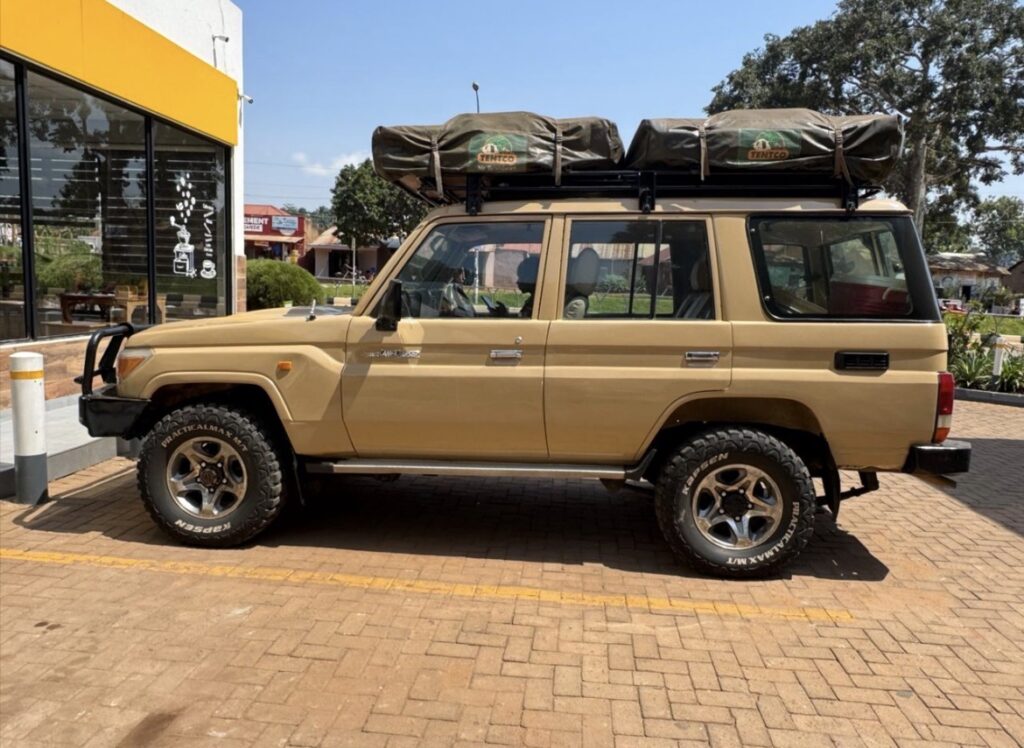
Kenya Big Five Self-Drive Safari: Discover Africa’s Iconic Wildlife Independently
A Kenya Big Five self-drive safari is an unforgettable opportunity to explore some of Africa’s most spectacular wildlife destinations while enjoying the freedom of travelling independently. Imagine driving across the endless plains of the Maasai Mara, watching lions resting beneath acacia trees, encountering enormous elephant herds beneath Mount Kilimanjaro and searching for the elusive leopard in Kenya’s magnificent wilderness.
Kenya is one of Africa’s most celebrated safari destinations, offering extraordinary wildlife diversity, breathtaking landscapes and world-famous national parks and reserves. From the iconic Maasai Mara to Amboseli’s elephant-filled plains, Samburu’s distinctive wildlife and the conservation landscapes of Ol Pejeta, the country provides exceptional opportunities for an independent wildlife adventure.
The famous African Big Five consists of the lion, leopard, elephant, African buffalo and rhinoceros. These five iconic animals are among the most sought-after wildlife encounters for international safari travellers.
With a reliable 4×4 self-drive safari vehicle, proper preparation and an adventurous spirit, you can discover Kenya’s wilderness at your own pace, explore different ecosystems and enjoy the flexibility of creating your own safari itinerary.
Whether you are planning a private wildlife adventure, a family holiday, a camping safari or an extended East African overland expedition, a Kenya self-drive safari offers an exciting way to experience Africa.
Understanding the African Big Five
The expression Big Five originally referred to five African animals considered particularly challenging and dangerous to hunt on foot. Today, the term is associated with wildlife conservation and photographic safaris.
For many visitors, encountering all five species is one of the greatest highlights of an African safari.
1. African Lion
The African lion is one of Kenya’s most iconic wildlife attractions. As a dominant predator in many savannah ecosystems, lions are among the most exciting animals to encounter during a self-drive safari.
The Maasai Mara National Reserve is particularly famous for its lion populations. Visitors may encounter prides resting beneath acacia trees, hunting across open grasslands or interacting around rocky habitats.
Lions can also be seen in Amboseli, Tsavo East, Tsavo West and several other Kenyan wildlife destinations.
The Maasai Mara is especially rewarding for wildlife photographers interested in observing natural predator behaviour.
2. African Leopard
The African leopard is one of the most elusive members of the Big Five. Its excellent camouflage, solitary behaviour and ability to climb trees make it a particularly exciting animal to encounter.
The Maasai Mara is among Kenya’s best-known leopard-viewing destinations. Leopards are often found around riverine forests, rocky outcrops and areas with dense vegetation.
Samburu and other protected wildlife areas also provide opportunities to encounter this magnificent predator.
Searching for leopards requires patience, careful observation and a little luck, making every sighting especially memorable.
3. African Elephant
Kenya offers outstanding elephant-viewing opportunities, particularly in Amboseli National Park, which is famous for its large elephant herds and spectacular views of Mount Kilimanjaro.
Visitors can observe elephants moving across open plains, feeding on vegetation and gathering around water sources.
Other important elephant destinations include Tsavo East, Tsavo West and Samburu.
For travellers interested in elephant photography, Amboseli is particularly rewarding because of its beautiful landscapes and opportunities to photograph elephants against the backdrop of Africa’s highest mountain.
4. African Buffalo
The African buffalo is one of Kenya’s most widespread large mammals and an important member of the Big Five.
Buffaloes are frequently encountered in the Maasai Mara, Amboseli, Lake Nakuru, Tsavo and other protected areas.
They often move in large herds across grasslands and woodland habitats, sometimes gathering around rivers and seasonal water sources.
Their powerful build, impressive horns and unpredictable behaviour make them fascinating animals to observe from a safe distance.
5. African Rhinoceros
The rhinoceros is often the most challenging member of the Big Five to encounter, although Kenya has several important conservation areas where visitors have excellent opportunities to see both black and white rhinos.
Ol Pejeta Conservancy is one of Kenya’s leading rhino conservation destinations, providing important protection for black and white rhinoceros populations.
Lake Nakuru National Park is another important destination for rhino conservation, with opportunities to encounter both species.
Lewa Wildlife Conservancy and Nairobi National Park are also recognised for their rhino conservation efforts.
Seeing a rhinoceros in its natural habitat is one of the most memorable highlights of a Kenyan safari.
Best National Parks and Reserves for a Kenya Big Five Self-Drive Safari
Kenya has a remarkable variety of wildlife destinations, each offering unique landscapes, wildlife encounters and safari experiences. Combining several destinations can significantly improve your opportunities to search for the Big Five.
Maasai Mara National Reserve
The Maasai Mara is one of Africa’s most celebrated wildlife destinations and a highlight of any Kenya Big Five safari.
Located in southwestern Kenya, the reserve is internationally recognised for its extraordinary wildlife populations, expansive savannah plains and annual Great Wildebeest Migration.
The Maasai Mara supports large populations of lions, leopards, elephants and buffaloes. Black rhinos are also present, although sightings are relatively uncommon.
The reserve is particularly famous for its predator populations, offering opportunities to observe lions, cheetahs, leopards and hyenas.
For independent travellers, the Maasai Mara provides an exceptional opportunity to experience Kenya’s classic savannah landscapes.
The migration season, particularly around July to October, attracts visitors interested in witnessing wildebeest herds crossing the Mara River. However, wildlife viewing remains rewarding throughout the year.
Amboseli National Park
Amboseli is one of Kenya’s most beautiful wildlife destinations, famous for its large elephant populations and magnificent views of Mount Kilimanjaro.
The park’s open plains, swamps and seasonal lakes provide important habitats for elephants, lions, buffaloes, zebras and numerous other wildlife species.
Leopards are also present but are less frequently encountered.
Amboseli is particularly attractive to photographers because elephants can often be observed moving across open landscapes with Mount Kilimanjaro rising in the background.
Although Amboseli is not a reliable destination for searching for black rhinos, it is an excellent addition to a Big Five safari itinerary.
Lake Nakuru National Park
Lake Nakuru National Park is one of Kenya’s important rhino conservation destinations.
Located in the Great Rift Valley, the park features a beautiful alkaline lake, woodland habitats, open grasslands and rocky escarpments.
Visitors can encounter both black and white rhinos, alongside lions, buffaloes, leopards, giraffes and numerous bird species.
Lake Nakuru is an excellent destination for travellers hoping to complete their Big Five checklist while exploring Kenya’s diverse landscapes.
Its relatively compact size also makes it a practical addition to a self-drive itinerary.
Ol Pejeta Conservancy
Ol Pejeta Conservancy is among Kenya’s most important wildlife conservation destinations and one of the strongest choices for travellers interested in rhinoceros conservation.
Located in Laikipia County, the conservancy protects significant populations of black and white rhinos.
It is also home to elephants, lions, leopards, buffaloes, cheetahs and other wildlife species.
Ol Pejeta offers an excellent opportunity to combine wildlife viewing with learning about conservation initiatives and the protection of endangered species.
For travellers searching for the Big Five, it is particularly valuable because of its rhino conservation programme.
Visitors should check the conservancy’s current self-drive access conditions, vehicle requirements and activity restrictions before travelling.
Tsavo East National Park
Tsavo East is one of Kenya’s largest national parks and a remarkable destination for travellers seeking a more expansive wilderness experience.
Its landscapes include open savannah, seasonal rivers, acacia woodland and the famous red-earth scenery associated with Tsavo.
The park supports elephants, lions, buffaloes, leopards and a wide variety of other wildlife species.
Tsavo is particularly famous for its red elephants, whose appearance comes from the iron-rich red soil they use for dust bathing.
Although rhinos are not a realistic target in the general Tsavo East landscape, the park offers rewarding opportunities for observing other members of the Big Five.
Tsavo West National Park
Tsavo West offers a different landscape from its eastern counterpart, featuring volcanic hills, rocky outcrops, natural springs and woodland habitats.
The park supports elephants, buffaloes, lions and leopards, alongside a diverse range of other wildlife.
The Ngulia Rhino Sanctuary provides a protected environment for black rhinos, although sightings depend on access arrangements and wildlife conditions.
Tsavo West is an excellent destination for travellers interested in combining wildlife viewing with scenic landscapes and geological attractions.
Samburu National Reserve
Samburu offers a distinctive safari experience in northern Kenya.
Its semi-arid landscapes, riverine vegetation and Ewaso Ng’iro River support a fascinating range of wildlife species.
Visitors can encounter elephants, lions, leopards and buffaloes, as well as the region’s famous Samburu Special Five: Grevy’s zebra, reticulated giraffe, Somali ostrich, gerenuk and Beisa oryx.
Samburu is not a destination for completing the traditional Big Five checklist because rhinoceros sightings are not a regular feature.
However, it is an excellent addition to a more extensive Kenya self-drive safari.
Recommended Kenya Big Five Self-Drive Safari Itinerary
A well-planned Kenya safari can combine several of the country’s most rewarding wildlife destinations.
The following suggested 10-day itinerary offers opportunities to search for the Big Five while experiencing different landscapes and ecosystems.
Day 1: Nairobi – Arrival and Vehicle Collection
Arrive in Nairobi and collect your 4×4 safari vehicle. Complete the vehicle inspection, organise your camping equipment if required and prepare for the journey.
Days 2–3: Ol Pejeta Conservancy
Drive towards Laikipia and explore Ol Pejeta. Enjoy wildlife viewing and search for black and white rhinos, elephants, lions, leopards and buffaloes.
Day 4: Lake Nakuru National Park
Continue to Lake Nakuru for a wildlife safari. Explore its woodland and lakeshore habitats while searching for rhinos, lions, buffaloes and leopards.
Days 5–6: Maasai Mara National Reserve
Travel to the Maasai Mara for two days of wildlife exploration. Search for lions, leopards, elephants and buffaloes while enjoying the spectacular savannah scenery.
Depending on the season, you may also encounter the Great Wildebeest Migration.
Days 7–8: Amboseli National Park
Drive towards Amboseli and enjoy its famous elephant herds and views of Mount Kilimanjaro. Search for lions, buffaloes and other wildlife across the park’s open plains and wetlands.
Days 9–10: Tsavo West or Tsavo East
Continue towards Tsavo for a final wildlife adventure before returning to Nairobi or arranging an onward journey.
This itinerary can be adjusted according to your available time, preferred accommodation, park access conditions and travel budget.
Best Time for a Kenya Big Five Self-Drive Safari
Kenya offers rewarding wildlife experiences throughout the year, although seasonal conditions influence vegetation, road conditions and wildlife movements.
June to October: Dry Season
This is generally one of the best periods for wildlife viewing in many Kenyan national parks.
Reduced vegetation improves visibility, and animals increasingly gather around permanent water sources.
The period also coincides with the famous Great Wildebeest Migration in the Maasai Mara, although the exact arrival and river-crossing dates vary each year.
January to March: Dry Season
These months offer excellent opportunities for wildlife viewing in several destinations.
Amboseli, Tsavo, Samburu and the Maasai Mara can all provide rewarding experiences, depending on local rainfall and wildlife movements.
November to December: Short Rain Season
The short rains bring greener landscapes and excellent photography opportunities.
Wildlife viewing can remain very rewarding, although occasional rainfall may affect some roads.
April to May: Long Rain Season
The long rains transform Kenya’s landscapes into beautiful green environments.
However, some unpaved tracks can become muddy and challenging, making suitable 4×4 vehicles particularly important.
Choosing the Best 4×4 Vehicle for a Kenya Big Five Self-Drive Safari
A reliable 4×4 safari vehicle is essential for independent travel across Kenya’s wildlife destinations.
Although many major access roads are paved, national park roads and remote safari tracks can feature loose gravel, sand, rocky sections and muddy conditions.
Travellers should choose their vehicles according to their route, group size, luggage requirements and accommodation preferences.
Toyota Land Cruiser 70 Series
The Land Cruiser 70 Series is a popular choice for overlanding and serious safari adventures.
Its robust construction, ground clearance and off-road capabilities make it suitable for extended journeys through remote landscapes.
It is particularly practical for travellers planning a rooftop tent camping safari.
Toyota Land Cruiser Prado
The Land Cruiser Prado combines comfort, practicality and off-road capability.
It is an excellent option for couples, families and small groups exploring Kenya’s established safari circuits.
Toyota Land Cruiser 100 Series
The Land Cruiser 100 Series provides spacious seating and comfortable long-distance travel.
It is a suitable option for travellers who want additional luggage capacity and a comfortable vehicle for extended safari journeys.
Toyota Hilux 4×4
The Toyota Hilux is another practical option for independent travellers and overlanders.
With a suitable rooftop tent and camping equipment, it provides a versatile platform for exploring Kenya’s national parks and remote destinations.
Essential Equipment for a Kenya Self-Drive Safari
Before beginning your journey, ensure that your vehicle is properly equipped for independent safari travel.
Recommended equipment includes:
- Reliable 4×4 vehicle with suitable ground clearance.
- Spare tyres and tyre-changing equipment.
- Recovery equipment and basic mechanical tools.
- First-aid kit.
- Offline navigation maps.
- Reliable communication and emergency support arrangements.
- Refrigerator or cooler box.
- Camping equipment for overnight camping.
- Rooftop tent, mattress and bedding.
- Cooking equipment, table and chairs.
- Adequate drinking water.
- Comprehensive insurance and roadside assistance.
Travellers should also confirm cross-border insurance and vehicle documentation if combining Kenya with Tanzania, Uganda or Rwanda.
Important Tips for Self-Driving in Kenya’s National Parks
Independent safari travel requires preparation and responsible driving.
Before entering any national park or conservancy, make sure you understand the applicable visitor regulations.
- Obtain the required park or conservancy entry permits.
- Respect official opening hours and permitted driving times.
- Observe all posted speed limits.
- Remain on designated roads and authorised tracks.
- Maintain a safe distance from wildlife.
- Never feed, chase or disturb animals.
- Avoid driving through flooded or unsuitable roads.
- Carry sufficient water and emergency supplies.
- Check the current road conditions before travelling to remote destinations.
- Respect conservation rules and local communities.
Park regulations, self-drive permissions and vehicle restrictions can differ between national parks and private conservancies. Always confirm the latest requirements before departure.
Why Choose a Kenya Big Five Self-Drive Safari?
A self-drive safari provides an alternative to conventional guided wildlife holidays, allowing travellers to explore Kenya independently.
Freedom and flexibility: Create your own itinerary, choose your destinations and enjoy wildlife viewing at your preferred pace.
Private safari experience: Travel with your partner, family or friends without sharing a vehicle with other safari guests.
Wildlife photography: Enjoy flexibility when observing animals and photographing Kenya’s magnificent landscapes, while following park regulations.
Camping adventures: Combine wildlife exploration with rooftop tent camping and experience the excitement of an independent African overland journey.
Multi-country exploration: Kenya’s location makes it an excellent starting point for combining wildlife adventures with Tanzania, Uganda and Rwanda.
Frequently Asked Questions About Kenya Big Five Self-Drive Safaris
Can I see all the Big Five on a Kenya self-drive safari?
Yes. Kenya has several destinations where all five species are present. The Maasai Mara, Ol Pejeta and Lake Nakuru are particularly valuable destinations to consider when planning a Big Five itinerary. However, sightings are never guaranteed.
Which national park is best for seeing the Big Five in Kenya?
The Maasai Mara is among the strongest choices for lions, leopards, elephants and buffaloes. Ol Pejeta and Lake Nakuru are particularly important for rhinoceros conservation. Combining these destinations provides excellent opportunities to search for all five species.
Can I self-drive in the Maasai Mara?
Yes, self-drive visits are possible in the Maasai Mara, subject to reserve entry requirements and current regulations. Visitors should arrange appropriate permits and confirm vehicle and driving conditions before travelling.
Where can I see rhinos in Kenya?
Ol Pejeta Conservancy and Lake Nakuru National Park are among the leading destinations for rhino viewing. Lewa Wildlife Conservancy and Nairobi National Park are also important rhino conservation areas.
Is a Toyota Land Cruiser necessary for a Kenya safari?
A capable 4×4 is strongly recommended for independent safari travel. Toyota Land Cruiser models are popular because of their ground clearance, durability and off-road performance.
How many days do I need for a Kenya Big Five safari?
A trip of approximately seven to ten days is a good starting point. Travellers wishing to explore the Maasai Mara, Ol Pejeta, Lake Nakuru, Amboseli and Tsavo should consider ten to fourteen days or longer.
Can I combine a Kenya safari with Tanzania?
Absolutely. Kenya and Tanzania share some of East Africa’s most famous wildlife ecosystems. Travellers can combine the Maasai Mara with Serengeti National Park to experience the Great Wildebeest Migration and explore two outstanding safari destinations.
Is Kenya suitable for first-time self-drive safari travellers?
Yes, with adequate preparation, suitable vehicle selection and an understanding of park regulations. Travellers unfamiliar with off-road driving may benefit from professional guidance or a driver-guide.
Plan Your Kenya Big Five Self-Drive Safari
A Kenya Big Five self-drive safari is more than an ordinary wildlife holiday. It is an opportunity to experience Africa’s wilderness independently, discover spectacular landscapes and encounter some of the continent’s most iconic animals.
From the lion-filled plains of the Maasai Mara to the elephant landscapes of Amboseli, the rhino conservation areas of Ol Pejeta and Lake Nakuru, and the expansive wilderness of Tsavo, Kenya offers remarkable opportunities for unforgettable safari adventures.
Whether you are planning a short wildlife holiday, a family safari, a rooftop tent camping expedition or an extended East African overland adventure, choosing the right vehicle and planning your route carefully can make all the difference.
Explore our Kenya 4×4 car rental options, discover our Toyota Land Cruiser safari vehicles and consider our rooftop tent car rental packages for an independent African adventure.
You can also combine your journey with a Tanzania self-drive safari, Uganda wildlife safari or Rwanda adventure tour to experience more of East Africa.
Contact us today to plan your Kenya Big Five self-drive safari and discover the freedom of exploring Africa on your own terms!