
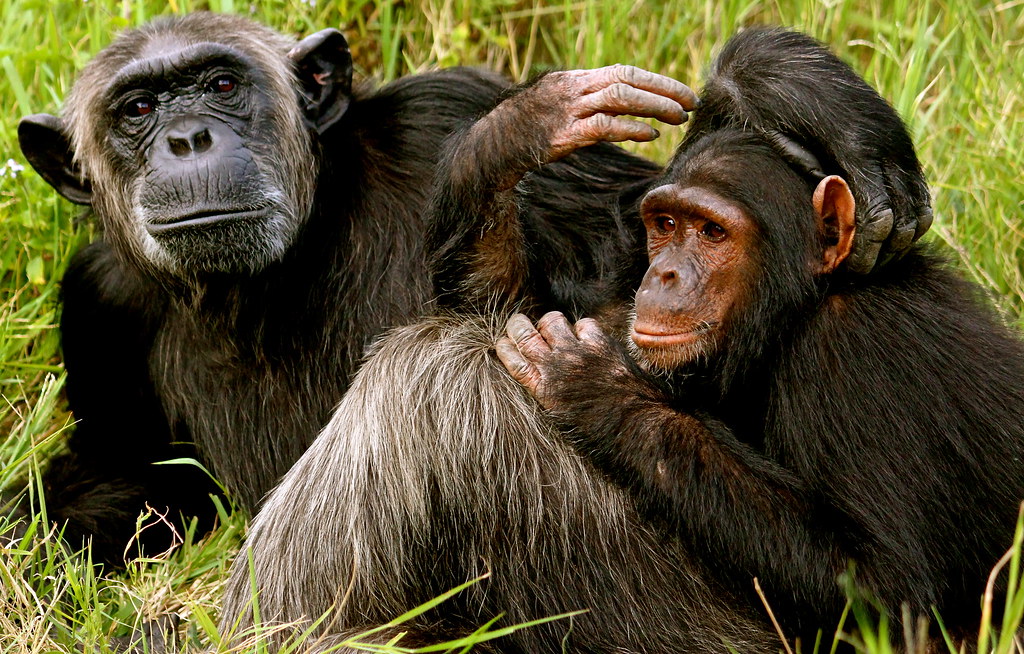
Kenya Primate Tracking and Wildlife Experiences: Chimpanzees, Colobus Monkeys and More
Kenya is one of Africa’s most rewarding wildlife destinations, famous for its spectacular savannah landscapes, diverse national parks and remarkable variety of animals. While the country is best known for the Big Five, the Great Wildebeest Migration and its exceptional wildlife safaris, it also offers interesting opportunities to discover Africa’s primates.
A Kenya primate experience can take you from the rescued chimpanzees at Sweetwaters Chimpanzee Sanctuary in Ol Pejeta Conservancy to the beautiful black-and-white colobus monkeys living in the coastal forests of Diani. Visitors can also encounter baboons, vervet monkeys and other primates in different parts of the country.
It is important to understand that Kenya does not have wild mountain gorillas or wild chimpanzee populations. Travelers interested in seeing mountain gorillas in their natural habitat should consider Uganda gorilla trekking or Rwanda gorilla trekking. Kenya, however, offers a different primate experience combined with some of East Africa’s finest wildlife and conservation destinations.
At our safari team, we help travelers organize memorable Kenya wildlife experiences, from visiting Ol Pejeta and exploring coastal forests to arranging private transportation, accommodation and customized safari itineraries.
Whether you are planning a short primate-focused excursion or a longer East African holiday, Kenya offers an excellent opportunity to discover wildlife, conservation and beautiful natural environments.
About Kenya
Kenya is a beautiful country in East Africa, famous for its diverse landscapes, rich cultural heritage and exceptional wildlife. From the open plains of the Maasai Mara to the snow-capped peaks of Mount Kenya, the country offers a wide range of natural attractions.
Nairobi is the country’s capital and an important gateway for international visitors. Jomo Kenyatta International Airport connects Kenya with major destinations around the world, while domestic flights and road transfers make it possible to reach different safari destinations.
Kenya is particularly famous for its wildlife experiences. Visitors can explore Maasai Mara National Reserve, Amboseli National Park, Tsavo National Parks, Samburu National Reserve, Lake Nakuru National Park and Ol Pejeta Conservancy.
Beyond traditional game drives, Kenya also offers forest walks, birdwatching, cultural experiences, mountain adventures and coastal holidays.
For travelers interested in primates, Ol Pejeta Conservancy and the forests of coastal Kenya are among the most interesting places to include in an itinerary.
Can You See Gorillas in Kenya?
No. Kenya does not have wild mountain gorillas, and there are no established wild gorilla trekking destinations in the country.
Mountain gorillas are found in the protected forests of Uganda, Rwanda and the Democratic Republic of the Congo. Travelers hoping to encounter these endangered great apes should plan their experience in destinations such as Bwindi Impenetrable National Park, Mgahinga Gorilla National Park or Volcanoes National Park.
Kenya offers a different primate experience. Its main attraction for visitors interested in great apes is the Sweetwaters Chimpanzee Sanctuary at Ol Pejeta Conservancy, where rescued chimpanzees receive care and protection.
Visitors can also discover several monkey species in Kenya’s forests, coastal habitats and wildlife areas.
Where Can You See Chimpanzees in Kenya?
The main place to see chimpanzees in Kenya is Sweetwaters Chimpanzee Sanctuary, located within Ol Pejeta Conservancy in Laikipia County.
The sanctuary provides a protected home for chimpanzees rescued from illegal wildlife trade, abuse and other difficult circumstances. These animals are not native to Kenya; they originate from other parts of Africa where wild chimpanzees naturally occur.
The sanctuary was established in 1993 and has become an important conservation and education facility.
Unlike wild chimpanzee tracking in Uganda or Tanzania, visiting Sweetwaters is a sanctuary experience. Visitors observe the chimpanzees from designated viewing areas and learn about their individual histories, care and conservation.
The chimpanzees live in large naturalistic enclosures where they can climb, forage, socialize and display natural behaviors.
A visit provides an opportunity to understand the challenges facing great apes and the importance of protecting wildlife from illegal trafficking.
Sweetwaters Chimpanzee Sanctuary in Ol Pejeta Conservancy
Sweetwaters Chimpanzee Sanctuary is one of Kenya’s most distinctive wildlife conservation attractions.
Located within Ol Pejeta Conservancy near Nanyuki, the sanctuary offers visitors an opportunity to learn about chimpanzees and the work involved in caring for rescued animals.
The sanctuary focuses on providing a safe environment for chimpanzees that cannot return to the wild. Many rescued chimpanzees have experienced difficult circumstances, including illegal trade, habitat destruction and human exploitation.
During your visit, you can learn about:
- The history and rescue of individual chimpanzees.
- Chimpanzee behavior and social relationships.
- The importance of great ape conservation.
- The challenges facing chimpanzees in their natural habitats.
- The work involved in providing veterinary care and rehabilitation.
- The role of sanctuaries in protecting rescued wildlife.
Visitors observe the chimpanzees from designated areas without entering their enclosures or touching the animals.
The experience is educational and particularly interesting for wildlife enthusiasts, families, photographers and travelers interested in conservation.
What to Expect During a Visit to Sweetwaters Chimpanzee Sanctuary
A visit to Sweetwaters Chimpanzee Sanctuary is generally included in a wider excursion to Ol Pejeta Conservancy.
After arriving at the conservancy, visitors can explore its wildlife areas and proceed to the chimpanzee sanctuary during the published visiting hours.
At the sanctuary, you can observe chimpanzees as they move through their enclosures, climb, groom, feed, rest and interact with other members of their groups.
The exact behavior you see depends on the animals’ daily routines and where they choose to spend their time.
You may also learn about the sanctuary’s history, its rescued residents and the conservation challenges affecting chimpanzees across Africa.
The experience is different from visiting wild chimpanzees in Kibale Forest or Gombe Stream National Park. At Sweetwaters, the focus is on sanctuary conservation and education rather than tracking wild chimpanzees through a natural rainforest.
Visitors should respect all sanctuary rules, remain behind designated barriers and avoid making loud noises or attempting to attract the animals.
Where Is Ol Pejeta Conservancy Located?
Ol Pejeta Conservancy is situated in Laikipia County, central Kenya, near Nanyuki town.
The conservancy lies on the equator between the foothills of the Aberdares and Mount Kenya, creating a beautiful landscape of open grasslands, wooded areas and riverine habitats.
It is approximately 220 kilometres from Nairobi, with a road journey commonly taking around four hours, depending on traffic and road conditions.
Visitors can travel to Ol Pejeta by private safari vehicle or fly to Nanyuki Airstrip and continue with a transfer to the conservancy.
Ol Pejeta is an excellent destination for travelers who want to combine chimpanzee sanctuary visits with traditional wildlife viewing.
The conservancy is also famous for its black rhino conservation work and its efforts to protect the last northern white rhinos.
Other Wildlife Attractions in Ol Pejeta Conservancy
Although the chimpanzee sanctuary is an important attraction, Ol Pejeta offers much more than a primate experience.
The conservancy is an outstanding wildlife destination where visitors can enjoy game drives, conservation activities and opportunities to learn about endangered species.
Wildlife commonly associated with Ol Pejeta includes:
- African elephants.
- Lions.
- Leopards.
- Buffaloes.
- Black rhinos.
- White rhinos.
- Grevy’s zebras.
- Giraffes.
- Cheetahs.
- Various antelope species.
One of Ol Pejeta’s most important conservation stories is its work to protect the northern white rhino. The conservancy is home to the world’s last two northern white rhinos, which receive intensive protection and veterinary care.
Visitors can combine the chimpanzee sanctuary with game drives and selected conservation experiences, depending on availability and booking arrangements.
Where Can You See Colobus Monkeys in Kenya?
Kenya is also home to several monkey species, including the beautiful black-and-white colobus monkey.
One of the best-known places to learn about colobus conservation is Diani Beach, along Kenya’s southern coast.
The coastal forests around Diani provide habitat for the Angolan black-and-white colobus monkey, a species that faces threats from habitat loss, road accidents and human development.
Colobus Conservation, an organization based in Diani, works to protect these monkeys and their forest habitats through rescue operations, community education, habitat conservation and awareness programs.
Visitors interested in primates can learn about the conservation challenges affecting coastal wildlife and the importance of protecting forest corridors.
Unlike a gorilla trekking excursion, seeing colobus monkeys in Diani is not a permit-based great ape tracking activity. It is better understood as a nature and conservation experience in a coastal forest environment.
Colobus Conservation in Diani
Colobus Conservation is a non-profit organization based in Diani, dedicated to protecting colobus monkeys and other primates along Kenya’s southern coast.
Its work focuses on reducing threats to primates and protecting the coastal forests on which they depend.
The organization works with local communities, conservation partners and visitors to promote responsible wildlife protection.
Depending on the available visitor arrangements, travelers can learn about:
- Angolan black-and-white colobus monkeys.
- Coastal forest conservation.
- The threats caused by habitat fragmentation.
- Wildlife rescue and rehabilitation.
- Human-primate conflict prevention.
- Community education and conservation awareness.
A visit to Diani can therefore be an interesting addition to a Kenya beach holiday, particularly for travelers who want to combine wildlife experiences with relaxation along the Indian Ocean.
Other Monkeys and Primates Found in Kenya
Kenya has a variety of primate species distributed across different habitats, including forests, savannahs and coastal ecosystems.
Depending on the destination, visitors may encounter:
Olive baboons: These social primates are found in several parts of Kenya, including national parks, reserves and forested areas.
Vervet monkeys: Common in many Kenyan wildlife destinations, vervet monkeys are recognizable by their contrasting facial features and active social behavior.
Black-and-white colobus monkeys: These striking monkeys are associated with forest habitats, including parts of coastal Kenya.
Sykes’ monkeys: Also known as blue monkeys, they occur in suitable forest habitats in Kenya.
Bushbabies: These nocturnal primates may be encountered in suitable habitats, particularly during guided night activities where permitted.
Other forest monkeys: Different forest ecosystems support additional primate species, making Kenya an interesting destination for wildlife enthusiasts.
Visitors should never feed wild monkeys or attempt to touch them. Feeding wildlife can encourage aggressive behavior, increase human-wildlife conflict and affect the animals’ natural feeding habits.
What Is the Best Time for a Kenya Primate and Wildlife Safari?
Kenya offers wildlife experiences throughout the year, although weather conditions and wildlife viewing opportunities vary between destinations.
The main dry periods generally occur from June to October and January to February in many popular safari regions.
These months can offer favorable conditions for game drives and travel between national parks.
The wetter periods generally occur around March to May and October to December, although seasonal patterns differ across the country.
For a visit to Ol Pejeta, the conservancy is a year-round destination. Dry conditions can make some wildlife viewing activities easier, while greener periods offer beautiful landscapes.
For a Diani coastal forest experience, visitors can plan their visit throughout the year, checking local conditions and the availability of conservation activities before traveling.
If your itinerary combines Ol Pejeta with the Maasai Mara, Amboseli or the Kenyan coast, the best travel dates will depend on the wider safari plan.
How Much Does a Kenya Primate Safari Cost?
The cost of a Kenya primate safari depends on the number of days, transportation, accommodation, conservancy fees and additional activities.
Unlike gorilla trekking in Uganda or Rwanda, Kenya does not issue mountain gorilla trekking permits because mountain gorillas are not found in the country.
A visit to Sweetwaters Chimpanzee Sanctuary is arranged as part of an Ol Pejeta Conservancy visit. The applicable conservancy entry fees and any additional activities should be confirmed before travel.
Other expenses may include:
| Safari component | What it covers |
|---|---|
| Conservancy entry | Access to Ol Pejeta, according to the applicable visitor category |
| Chimpanzee sanctuary visit | Access to the sanctuary under its current visitor arrangements |
| Transportation | Private safari vehicle and transfers |
| Accommodation | Budget, mid-range or luxury lodging |
| Professional guide | Safari guiding and coordination |
| Meals | Depending on accommodation and package |
| Game drives | Wildlife viewing within the conservancy |
| Additional activities | Conservation experiences and other bookable activities |
A wider Kenya safari combining Ol Pejeta with other national parks will naturally cost more than a short visit.
At our safari team, we can help you create a customized itinerary based on your travel dates, preferred accommodation and budget.
Important: Conservancy entry fees, activity schedules and booking conditions can change. Confirm current rates and availability with Ol Pejeta before making travel arrangements.
How to Book a Visit to Sweetwaters Chimpanzee Sanctuary
Planning a visit to Sweetwaters is straightforward, but it is important to coordinate the sanctuary visit with your wider Ol Pejeta itinerary.
The general planning process involves:
- Choose your preferred travel dates.
- Decide whether to visit Ol Pejeta as a day trip or stay overnight.
- Arrange conservancy entry and confirm the sanctuary’s current visitor arrangements.
- Select accommodation within or around the conservancy.
- Organize transportation from Nairobi or another destination.
- Add game drives or other available conservation activities.
- Confirm your itinerary and prepare for the visit.
Advance planning is recommended, particularly if you want to include special conservation experiences or guided activities.
Our team can assist with transportation, accommodation and combining Ol Pejeta with other Kenyan safari destinations.
Is Visiting Chimpanzees in Kenya Safe?
Yes. Visiting Sweetwaters Chimpanzee Sanctuary is a regulated visitor experience conducted under the sanctuary’s established guidelines.
Visitors observe the chimpanzees from designated viewing areas and must respect the barriers and instructions provided by sanctuary staff.
Important guidelines include:
- Never attempt to touch a chimpanzee.
- Do not feed the animals.
- Avoid shouting or making sudden noises.
- Follow the instructions of sanctuary staff.
- Do not throw objects into the enclosures.
- Avoid visiting when you have symptoms of a contagious illness.
- Respect photography rules and other visitor instructions.
- Never attempt to enter restricted areas.
Chimpanzees are powerful wild animals, and their health and welfare must always come first.
The sanctuary experience is designed to provide education and observation without unnecessary disturbance to the animals.
Why Choose Kenya for a Primate and Wildlife Safari?
Kenya is an excellent destination for travelers who want to combine primate conservation experiences with traditional African wildlife safaris.
Although it does not offer wild mountain gorilla trekking, the country has several interesting primate-related attractions and outstanding wildlife destinations.
Reasons to choose Kenya include:
Chimpanzee conservation: Visit Sweetwaters Chimpanzee Sanctuary and learn about the protection and care of rescued chimpanzees.
Colobus monkey conservation: Discover the coastal forests around Diani and learn about efforts to protect endangered primate habitats.
Exceptional wildlife: Combine primate experiences with sightings of elephants, lions, rhinos, giraffes and other wildlife.
Beautiful landscapes: Explore the Laikipia plains, Mount Kenya region, coastal forests and open savannahs.
Conservation education: Learn about wildlife protection, habitat conservation and community involvement.
Flexible itineraries: Kenya is suitable for short wildlife excursions, family holidays and longer East African adventures.
Best Kenya Primate and Wildlife Safari Packages
Kenya offers several opportunities to combine primate experiences with other destinations and activities.
We can customize your itinerary according to your interests, available time and preferred accommodation.
2 Days Ol Pejeta Chimpanzee Sanctuary Safari
A short excursion from Nairobi to Ol Pejeta Conservancy.
Visit Sweetwaters Chimpanzee Sanctuary, enjoy wildlife viewing and discover the conservancy’s important rhino conservation work.
3 Days Ol Pejeta and Mount Kenya Safari
Combine a visit to the chimpanzee sanctuary with scenic experiences around the Mount Kenya region.
Enjoy wildlife viewing, beautiful mountain landscapes and a relaxing stay in the Nanyuki area.
4 Days Ol Pejeta and Samburu Safari
Explore the conservation landscapes of Ol Pejeta before continuing north to Samburu National Reserve.
The itinerary offers opportunities to see chimpanzees at the sanctuary and search for distinctive northern Kenyan wildlife, including Grevy’s zebra, reticulated giraffe and gerenuk.
5 Days Ol Pejeta and Lake Nakuru Safari
Combine Sweetwaters Chimpanzee Sanctuary with a wildlife safari in Lake Nakuru National Park.
The journey offers opportunities to explore different ecosystems and search for rhinos, giraffes, buffaloes, lions and numerous bird species.
7 Days Kenya Wildlife and Primate Safari
Enjoy a wider Kenya adventure combining Ol Pejeta, the Maasai Mara and other selected destinations.
The itinerary can include chimpanzee sanctuary visits, game drives, cultural experiences and spectacular savannah landscapes.
Kenya Coast and Colobus Conservation Experience
Combine a relaxing Diani Beach holiday with an opportunity to learn about colobus monkey conservation.
This is an excellent option for travelers interested in coastal wildlife, nature and conservation.
You can also extend your holiday with a regional adventure combining Kenya wildlife safaris, Uganda chimpanzee tracking, Rwanda gorilla trekking and Tanzania wildlife safaris.
Where Should You Stay During a Kenya Primate Safari?
Choosing suitable accommodation is an important part of planning your Kenya primate and wildlife holiday.
For a visit to Sweetwaters Chimpanzee Sanctuary, travelers can stay within Ol Pejeta Conservancy or in the nearby Nanyuki area.
Accommodation ranges from practical budget options to comfortable mid-range lodges and luxury safari camps.
Budget Accommodation
Budget accommodation is suitable for travelers who want to keep their safari affordable while enjoying the main attractions.
These properties generally offer practical rooms, essential facilities and convenient access to the conservancy.
Mid-Range Accommodation
Mid-range lodges and hotels provide a balance between comfort, facilities and affordability.
They are suitable for couples, families and small groups who want comfortable accommodation before and after their wildlife activities.
Luxury Accommodation
Luxury lodges and safari camps offer a more exclusive experience, often featuring spacious rooms, beautiful views, personalized services, fine dining and relaxing surroundings.
These properties are ideal for honeymooners, luxury travelers and visitors seeking a premium Kenya safari.
For travelers visiting Diani, beachfront resorts and coastal hotels provide convenient access to the Indian Ocean and nearby forest conservation experiences.
Kenya Primate Experiences or Uganda and Rwanda Gorilla Trekking: Which Should You Choose?
Kenya, Uganda and Rwanda offer different primate and wildlife experiences.
Kenya is particularly suitable for travelers interested in combining chimpanzee conservation at Ol Pejeta, colobus monkeys along the coast and traditional wildlife safaris.
Uganda is one of the best destinations for wild mountain gorilla trekking, with experiences available in Bwindi Impenetrable National Park and Mgahinga Gorilla National Park. Uganda also offers wild chimpanzee tracking in Kibale Forest and the Gorilla Habituation Experience in Bwindi.
Rwanda offers mountain gorilla trekking in Volcanoes National Park, with convenient access from Kigali.
Your choice depends on the wildlife experience you want, your budget, travel dates and available time.
Travelers with sufficient time can combine these countries in one East African holiday, experiencing Kenya’s savannah wildlife and primate conservation alongside wild gorilla and chimpanzee tracking in Uganda or Rwanda.
Frequently Asked Questions About Kenya Primate Tracking
1. Can I see gorillas in Kenya?
No. Kenya does not have wild mountain gorillas or established gorilla trekking destinations. Travelers interested in mountain gorillas should visit Uganda, Rwanda or the Democratic Republic of the Congo.
2. Can I see chimpanzees in Kenya?
Yes. Chimpanzees can be seen at Sweetwaters Chimpanzee Sanctuary in Ol Pejeta Conservancy. The sanctuary cares for rescued chimpanzees that are not native to Kenya.
3. Where is Sweetwaters Chimpanzee Sanctuary located?
The sanctuary is located within Ol Pejeta Conservancy in Laikipia County, near Nanyuki in central Kenya.
4. Can I track wild chimpanzees in Kenya?
No. Kenya does not have a native wild chimpanzee population. Visitors can observe rescued chimpanzees at Sweetwaters Chimpanzee Sanctuary.
5. How much does it cost to visit Sweetwaters Chimpanzee Sanctuary?
The visit is arranged through Ol Pejeta Conservancy, and applicable entry arrangements depend on the current tariff and visitor conditions. Confirm the latest charges and included activities before traveling.
6. Can I touch the chimpanzees at Ol Pejeta?
No. Visitors observe the chimpanzees from designated areas and are not permitted to touch or enter their enclosures.
7. Where can I see colobus monkeys in Kenya?
Diani on the southern coast is a well-known destination for Angolan black-and-white colobus monkeys. Colobus monkeys can also be found in suitable forest habitats elsewhere in Kenya.
8. What other monkeys can I see in Kenya?
Depending on the destination, visitors may encounter olive baboons, vervet monkeys, Sykes’ monkeys, colobus monkeys and other primates.
9. What is the best time to visit Ol Pejeta?
Ol Pejeta is a year-round destination. Drier periods can offer favorable wildlife viewing conditions, although the conservancy remains attractive during greener seasons.
10. How far is Ol Pejeta from Nairobi?
Ol Pejeta is approximately 220 kilometres from Nairobi. The drive commonly takes around four hours, depending on traffic and road conditions.
11. Can I combine Ol Pejeta with the Maasai Mara?
Yes. Ol Pejeta can be combined with the Maasai Mara and other Kenyan wildlife destinations in a longer safari itinerary.
12. Is Ol Pejeta suitable for family holidays?
Yes. Ol Pejeta offers wildlife viewing and educational conservation experiences that can be interesting for families. Confirm any age restrictions that may apply to specific activities before booking.
13. Can I combine Kenya with Uganda gorilla trekking?
Absolutely. You can combine Kenya’s wildlife destinations with mountain gorilla trekking in Uganda as part of a longer East African holiday.
14. Can I combine Kenya with Rwanda gorilla trekking?
Yes. Kenya and Rwanda can be combined in one regional itinerary, with Kenya offering traditional wildlife safaris and Rwanda providing mountain gorilla trekking in Volcanoes National Park.
15. Is a Kenya primate safari suitable for wildlife photographers?
Yes. Ol Pejeta offers opportunities to photograph chimpanzees from designated viewing areas, while Diani and other forest destinations provide opportunities to observe monkeys and other wildlife. Photography rules and viewing conditions should always be respected.
Plan Your Kenya Primate and Wildlife Experience
A Kenya primate experience offers more than simply observing monkeys and chimpanzees. It provides an opportunity to learn about wildlife conservation, rescued animals and the importance of protecting natural habitats.
From the rescued chimpanzees at Sweetwaters Chimpanzee Sanctuary to the colobus monkeys of Diani’s coastal forests, Kenya offers memorable experiences for travelers interested in primates and nature.
Whether you are planning a short Ol Pejeta excursion, a family holiday, a wildlife photography trip or a longer East African adventure, our safari team can help you organize a memorable journey.
We assist with private transportation, accommodation reservations, conservancy visits and customized safari itineraries.
Our team can also help you combine Kenya’s primate experiences with Maasai Mara wildlife safaris, Samburu National Reserve, Amboseli National Park, Lake Nakuru, Uganda gorilla trekking, Rwanda gorilla trekking and Tanzania wildlife safaris.
Request Your Kenya Primate and Wildlife Safari
Ready to discover Kenya’s fascinating primates and wildlife?
Contact our safari team with your preferred travel dates, number of travelers, accommodation preferences and estimated budget.
We will help you plan a Kenya wildlife experience that matches your travel interests and schedule.
Discover Kenya. Explore its wildlife. Experience East Africa.