
Chimpanzee Sanctuary Visit at Ol Pejeta Conservancy, Kenya: Sweetwaters Sanctuary, Wildlife and Safari Guide
Introduction to Chimpanzees at Ol Pejeta Conservancy
A visit to Sweetwaters Chimpanzee Sanctuary at Ol Pejeta Conservancy offers a unique opportunity to learn about chimpanzees and the importance of protecting endangered primates. Located in Laikipia County in central Kenya, Ol Pejeta is internationally recognised for its wildlife conservation programmes, including the protection of endangered rhinos and the care of rescued chimpanzees.
Unlike destinations such as Kibale Forest National Park in Uganda or Gombe Stream National Park in Tanzania, where visitors track wild chimpanzees in their natural forest habitats, Ol Pejeta offers a sanctuary experience. The Sweetwaters Chimpanzee Sanctuary provides a safe home for chimpanzees rescued from illegal wildlife trafficking, abusive captivity and other difficult circumstances.
Visitors can observe the chimpanzees from designated viewing areas and learn about their individual stories, behaviour, social relationships and rehabilitation. The experience provides valuable insight into the challenges facing chimpanzees and the conservation efforts required to protect them.
Ol Pejeta is also an outstanding safari destination in its own right. Visitors can combine the chimpanzee sanctuary with game drives, rhino conservation experiences, lion tracking, night drives and other wildlife activities.
Whether you are planning a family holiday, a Kenya wildlife safari or a conservation-focused journey through Laikipia, Ol Pejeta offers an experience that combines wildlife viewing with meaningful conservation education.
Where Is Ol Pejeta Conservancy Located?
Ol Pejeta Conservancy is located in Laikipia County, in central Kenya, between the foothills of Mount Kenya and the Aberdare mountain range.
The conservancy covers a large area of savannah, grassland, woodland and riverine habitat, supporting a wide variety of wildlife. It is approximately 220 kilometres from Nairobi, and the journey normally takes around four hours by road, depending on traffic and road conditions.
The nearest major town is Nanyuki, which serves as a convenient access point for visitors travelling to the conservancy.
Ol Pejeta can be reached by road from Nairobi or by scheduled flights to Nanyuki Airstrip, followed by a transfer to the conservancy.
What Is Sweetwaters Chimpanzee Sanctuary?
Sweetwaters Chimpanzee Sanctuary is a dedicated refuge for rescued chimpanzees within Ol Pejeta Conservancy.
The sanctuary was established in 1993 through cooperation involving Ol Pejeta, the Kenya Wildlife Service and the Jane Goodall Institute. It was created to provide lifelong care for chimpanzees rescued from the illegal wildlife trade, abusive captivity and other situations where they could no longer safely survive.
The sanctuary initially received chimpanzees following the closure of a rescue facility in Burundi during the civil war. Since then, it has continued to provide refuge for chimpanzees rescued from different parts of Africa.
Many of the animals arrive after experiencing traumatic conditions, including separation from their families, poor nutrition, injuries and prolonged captivity.
At Sweetwaters, they receive veterinary care, appropriate nutrition, social opportunities and protected living environments.
The sanctuary is recognised as the only place in Kenya where visitors can see chimpanzees.
Why Visit Sweetwaters Chimpanzee Sanctuary?
1. See Rescued Chimpanzees in a Protected Environment
The main attraction is the opportunity to observe chimpanzees living in a protected sanctuary environment.
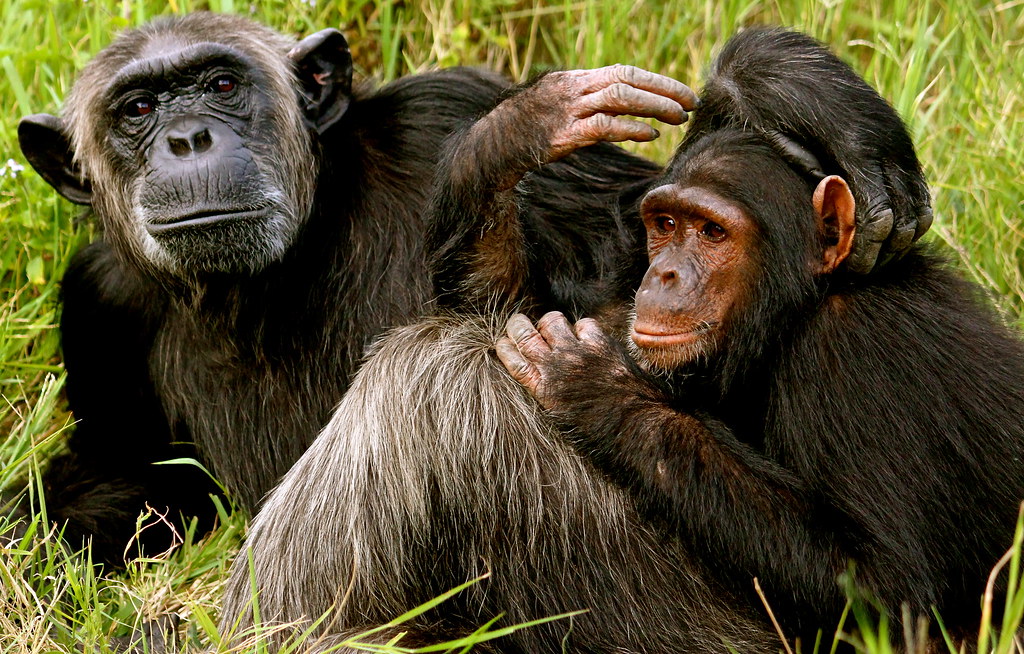
Visitors can watch the animals as they climb, feed, groom, rest, play and interact with other members of their groups.
The chimpanzees are not performing for visitors. They follow their own routines, and their behaviour depends on their health, social relationships and daily activities.
Some may spend time in visible areas, while others may remain farther away within the vegetation.
2. Learn About Chimpanzee Rescue and Rehabilitation
Sweetwaters provides an opportunity to understand what happens to chimpanzees rescued from illegal wildlife trafficking and abusive captivity.
Some chimpanzees arrive with serious physical injuries or behavioural challenges. Others have spent so much time in captivity that returning them to the wild would not be safe or practical.
The sanctuary provides long-term care, helping these animals live in an environment where their welfare is prioritised.
3. Understand the Importance of Chimpanzee Conservation
Chimpanzees are classified as endangered and face threats from habitat destruction, illegal hunting, wildlife trafficking and human-wildlife conflict.
A visit to Sweetwaters helps explain why protecting chimpanzees requires more than rescuing individual animals. It also involves protecting their natural habitats, supporting conservation organisations and reducing demand for illegally captured wildlife.
4. Enjoy a Conservation Experience for the Whole Family
Sweetwaters is an educational attraction suitable for families, wildlife enthusiasts, photographers and travellers interested in conservation.
Children can learn about primate behaviour, animal welfare and the importance of protecting wildlife.
The sanctuary is particularly valuable for visitors who want to include educational experiences in a Kenya safari.
What Happens During a Visit to Sweetwaters Chimpanzee Sanctuary?
The standard sanctuary visit involves observing the chimpanzees from designated public viewing areas.
Visitors can learn about the animals, their backgrounds and the work undertaken by sanctuary staff to provide appropriate care.
A typical visit includes:
Arrival at the sanctuary: Visitors enter the designated visitor area within Ol Pejeta Conservancy.
Introduction to the chimpanzees: Learn about the sanctuary’s history, the rescue of chimpanzees and the conservation work taking place.
Chimpanzee observation: Watch the animals as they move through their protected enclosures, climb, feed, groom and interact socially.
Educational experience: Learn about individual chimpanzees, their behaviour, health needs and the importance of responsible wildlife conservation.
Further exploration: Continue with other Ol Pejeta activities, such as game drives, rhino experiences or a visit to the conservancy’s information centre.
The standard visitor experience does not involve entering the chimpanzees’ living areas or physically interacting with them. Secure separation protects both visitors and animals.
Meet the Chimpanzees of Sweetwaters
The sanctuary provides lifelong care to chimpanzees with different backgrounds and personalities.
Some were rescued from illegal wildlife trade networks, while others arrived after experiencing unsuitable conditions in captivity.
Each chimpanzee has an individual history, and the sanctuary’s care programme recognises the importance of appropriate social groups, veterinary attention and environmental enrichment.
Visitors may observe chimpanzees displaying a variety of behaviours, including:
- Grooming and social bonding.
- Feeding on their provided diets.
- Climbing and exploring their surroundings.
- Playing and interacting with other chimpanzees.
- Resting in shaded areas.
- Communicating through vocalisations and gestures.
- Using their hands and feet to manipulate objects.
The chimpanzees are not native to Kenya. Their natural distribution is in the forests of western and central Africa. Sweetwaters exists to care for rescued individuals who cannot safely return to the wild.
Chimpanzee Sanctuary Visiting Hours
The official Ol Pejeta 2026 tariff guide lists the following visiting sessions for Sweetwaters Chimpanzee Sanctuary:
| Session | Opening hours |
|---|---|
| Morning | 8:30 am – 12:30 pm |
| Afternoon | 2:00 pm – 4:30 pm |
The sanctuary closes during the midday period and reopens in the afternoon.
A standard visit can be incorporated into a morning or afternoon Ol Pejeta safari programme. Allow approximately 45–60 minutes for a relaxed visit, although the time spent may vary depending on your interests and the activities available.
Opening hours and visitor arrangements should be reconfirmed before travelling.
Behind-the-Scenes Chimpanzee Experience
For visitors interested in learning more about the daily care of rescued chimpanzees, Ol Pejeta offers a separately bookable behind-the-scenes experience.
This activity provides a deeper introduction to the sanctuary’s work, including animal care, rehabilitation, welfare and the challenges involved in looking after rescued chimpanzees.
It is particularly suitable for:
- Wildlife conservation enthusiasts.
- Students and educational groups.
- Families interested in animal welfare.
- Photographers and wildlife lovers.
- Travellers seeking more than a standard wildlife viewing experience.
The behind-the-scenes activity is an educational experience, not an opportunity to touch, feed or enter the chimpanzees’ enclosures.
Advance booking is recommended because the activity is subject to availability and animal-welfare considerations.
How Much Does It Cost to Visit Sweetwaters Chimpanzee Sanctuary?
According to Ol Pejeta’s published 2026 tariff information, the standard Sweetwaters Chimpanzee Sanctuary visit is included in the conservancy entry fee.
The 2026 entry rates published by Ol Pejeta include:
| Visitor category | Adult | Child |
|---|---|---|
| East African citizen | KSh 2,000 | KSh 1,000 |
| East African resident | KSh 3,500 | KSh 1,750 |
| Non-resident | US$110 | US$55 |
The published child category applies to children aged 3–11. Student rates and eligibility conditions are subject to Ol Pejeta’s booking requirements.
Vehicle entry fees are charged separately according to vehicle capacity.
Behind-the-Scenes Experience Fees
The 2026 tariff guide lists the behind-the-scenes chimpanzee experience at US$70.
This is a separate conservation activity and should not be confused with the standard sanctuary visit included in the entry arrangements.
Rates may change, so visitors should confirm the current tariff and booking conditions directly with Ol Pejeta before making payment.
Other Wildlife to See at Ol Pejeta Conservancy
Although the chimpanzee sanctuary is a major attraction, Ol Pejeta is also one of Kenya’s important wildlife conservation destinations.
The conservancy supports a diverse range of mammals and birds, making it suitable for traditional game drives and specialised wildlife experiences.
Black and White Rhinos
Ol Pejeta is internationally recognised for its rhino conservation programme and is one of the most important places in East Africa for the protection of black rhinos.
Visitors may encounter black and white rhinos during game drives, depending on their location and daily movements.
The conservancy also provides special opportunities to learn about rhino monitoring, protection and conservation.
Northern White Rhinos
Ol Pejeta is particularly famous as the home of the world’s last two northern white rhinos, Najin and Fatu.
They live within a protected area under intensive security and veterinary monitoring.
Visitors can book a special northern white rhino experience to learn about the conservation challenges facing this subspecies and the scientific efforts being undertaken to preserve its genetic future.
This is a separate activity from the standard chimpanzee sanctuary visit.
African Elephants
Elephants are among the large mammals found in Ol Pejeta.
During game drives, visitors may encounter family groups moving across the grasslands, feeding on vegetation or gathering near water sources.
Lions and Leopards
Ol Pejeta supports large predators, including lions and leopards.
Lion sightings are possible during regular game drives, while leopard sightings can be more difficult because these animals are generally elusive.
The conservancy also offers a specialised lion-tracking experience, subject to availability and booking conditions.
Cheetahs
Cheetahs are another important predator species found in the conservancy.
They inhabit open grassland environments where they can hunt and move across the plains.
Buffaloes, Zebras and Giraffes
Visitors may also see large herds of buffaloes, zebras and giraffes.
These animals are important components of the conservancy’s ecosystem and provide excellent opportunities for wildlife photography.
Other Wildlife
Other species found in the wider Ol Pejeta ecosystem include:
- Jackson’s hartebeest.
- Beisa oryx.
- Impala.
- Grant’s gazelles.
- Warthogs.
- Spotted hyenas.
- Jackals.
- Common elands.
- Various bird species.
Other Things to Do at Ol Pejeta Conservancy
Ol Pejeta offers a range of wildlife and conservation experiences that can be combined with a visit to Sweetwaters.
Game Drives
Game drives are among the most popular activities at Ol Pejeta.
Visitors explore the conservancy’s grasslands, wooded areas and riverine habitats in search of wildlife.
Game drives provide opportunities to see rhinos, elephants, lions, giraffes, zebras, buffaloes and other species.
You can explore using an approved safari vehicle, following the conservancy’s driving regulations.
Meet the Northern White Rhinos
The northern white rhino experience is one of Ol Pejeta’s most distinctive conservation activities.
Visitors can learn about the lives of Najin and Fatu, the challenges facing northern white rhinos and the ongoing scientific efforts to preserve the subspecies.
The experience is guided and requires advance arrangements.
Lion Tracking
Ol Pejeta offers a lion-tracking experience that allows visitors to learn about predator monitoring and conservation.
Accompanied by the relevant conservation team, visitors can gain insight into lion behaviour, movement patterns and the use of tracking technology.
This activity is subject to availability and must be booked in advance.
Night Game Drives
Night game drives provide an opportunity to explore Ol Pejeta after sunset.
Visitors may encounter nocturnal animals that are rarely seen during daytime game drives, including hyenas, jackals and other active nighttime wildlife.
Night drives must be organised according to conservancy regulations and available operating sessions.
Dog Tracking Experience
Ol Pejeta’s conservation programme includes a trained canine unit that supports anti-poaching and security operations.
Visitors can book a dog-tracking experience to learn about the work of conservation dogs and their handlers.
The activity offers an educational look at how trained dogs contribute to wildlife protection.
Birdwatching
Ol Pejeta is also a rewarding destination for birdwatching.
The conservancy’s grasslands, wetlands, riverine vegetation and wooded areas support numerous bird species.
Visitors can combine birdwatching with regular game drives or book an appropriate guided experience.
Nature Trails
Ol Pejeta provides designated nature-trail opportunities for visitors interested in exploring the natural environment beyond vehicle-based game drives.
Walking is only permitted in approved areas and under the relevant safety arrangements. Visitors should never walk independently in areas where dangerous wildlife may be present.
Best Time to Visit Ol Pejeta Conservancy
Ol Pejeta is a year-round safari destination. The best time to visit depends on your preferred wildlife-viewing conditions, travel plans and interests.
June to October: Dry Season
The drier months are generally popular for wildlife viewing.
Vegetation is often shorter, animals may be easier to spot and wildlife frequently gathers around available water sources.
These months are suitable for combining chimpanzee sanctuary visits with game drives and rhino conservation experiences.
November to May: Green Season
The green season brings more rainfall and lush vegetation.
The conservancy becomes particularly attractive for landscape photography and birdwatching. Some roads and tracks may become more challenging after heavy rainfall.
This period can also offer beautiful scenery and a quieter safari atmosphere.
Because Sweetwaters is a managed sanctuary, its visitor experience is not dependent on the seasonal movements of wild chimpanzee populations.
How to Get to Ol Pejeta Conservancy
Ol Pejeta is accessible by road and air.
By Road from Nairobi
The conservancy is approximately 220 kilometres from Nairobi, with a typical journey taking around four hours.
The route generally follows the Nairobi–Nyeri–Nanyuki direction before continuing to the conservancy.
The drive offers views of Kenya’s central highlands, agricultural landscapes and the Mount Kenya region.
By Road from Nanyuki
Nanyuki is the nearest major town and an important access point for visitors travelling to Ol Pejeta.
The journey from Nanyuki to the conservancy is relatively short, depending on the entrance gate and accommodation location.
By Air to Nanyuki
Visitors can use scheduled flights to Nanyuki Airstrip, followed by a transfer to Ol Pejeta.
Flying is a convenient option for travellers with limited time or those combining Ol Pejeta with other remote destinations.
Self-Drive to Ol Pejeta
A self-drive safari is an excellent way to explore Ol Pejeta and the surrounding Laikipia region.
Travellers can rent a suitable 4×4 vehicle in Nairobi and drive to the conservancy through Nanyuki.
Self-drive visitors should follow the conservancy’s vehicle regulations, speed limits, designated routes and wildlife safety guidelines.
A suitable vehicle is especially useful for travellers planning to continue to Samburu, Lake Nakuru, Aberdare or other destinations in Kenya.
Accommodation at Ol Pejeta Conservancy
Ol Pejeta offers accommodation options within and around the conservancy, ranging from luxury safari lodges to tented camps and more affordable properties.
Sweetwaters Serena Camp
Sweetwaters Serena Camp is one of the best-known accommodation properties within Ol Pejeta.
It offers tented accommodation in a scenic setting and provides convenient access to wildlife activities and the chimpanzee sanctuary.
It is a good option for travellers looking for a comfortable safari experience.
The River Camp
The River Camp offers a safari accommodation experience within the Ol Pejeta area.
Its location provides access to the conservancy’s wildlife and conservation attractions.
Pelican House
Pelican House is a self-catering accommodation option within the conservancy.
It can be suitable for families and groups who prefer a more independent stay.
Campsites
Ol Pejeta also offers camping opportunities for travellers interested in a more adventurous safari experience.
Camping arrangements, facilities and applicable fees should be confirmed before arrival.
Accommodation Around Nanyuki
Visitors who prefer to stay outside the conservancy can choose from hotels, lodges and guesthouses around Nanyuki.
This option can provide a wider range of accommodation budgets, although visitors should allow sufficient time for transfers to the conservancy.
Suggested Ol Pejeta Chimpanzee and Wildlife Safari Itineraries
1 Day Ol Pejeta Chimpanzee Sanctuary and Wildlife Safari
| Time | Activities |
|---|---|
| Morning | Arrive at Ol Pejeta and visit Sweetwaters Chimpanzee Sanctuary |
| Late morning | Enjoy a game drive through the conservancy |
| Lunch | Lunch at an available restaurant or designated picnic area |
| Afternoon | Visit the rhino conservation area or enjoy another game drive |
| Evening | Depart for Nanyuki or continue to your next destination |
This option is suitable for visitors with limited time who want to experience the chimpanzee sanctuary and some of Ol Pejeta’s wildlife.
2 Days Ol Pejeta Chimpanzee and Rhino Safari
| Day | Activities |
|---|---|
| Day 1 | Travel to Ol Pejeta, enjoy a game drive and visit Sweetwaters Chimpanzee Sanctuary |
| Day 2 | Enjoy the northern white rhino experience or another conservation activity, followed by a game drive before departure |
This itinerary provides more time to explore the conservancy and enjoy its conservation attractions.
3 Days Ol Pejeta Wildlife and Conservation Safari
| Day | Activities |
|---|---|
| Day 1 | Arrive at Ol Pejeta, check in and enjoy an afternoon game drive |
| Day 2 | Visit Sweetwaters Chimpanzee Sanctuary and participate in a booked conservation experience |
| Day 3 | Enjoy an early-morning game drive, breakfast and departure |
This is a suitable option for travellers who want a relaxed wildlife and conservation holiday.
Combine Ol Pejeta With Other Kenya Safari Destinations
Ol Pejeta’s location in central Kenya makes it possible to combine the conservancy with several other important wildlife destinations.
Ol Pejeta and Samburu National Reserve
Combining Ol Pejeta with Samburu offers a rewarding northern Kenya safari.
Samburu is known for its distinctive wildlife species, including Grevy’s zebra, reticulated giraffe, gerenuk and Somali ostrich.
The combination offers a mix of rhino conservation, chimpanzee sanctuary visits and classic wildlife viewing.
Ol Pejeta and Lake Nakuru National Park
Lake Nakuru is famous for its rhinos, flamingos and diverse birdlife.
Combining it with Ol Pejeta creates an excellent central Kenya wildlife itinerary.
Ol Pejeta and Maasai Mara National Reserve
For visitors interested in Kenya’s famous savannah wildlife, Ol Pejeta can be combined with the Maasai Mara.
The Mara offers opportunities to see lions, elephants, cheetahs, leopards and large herds of wildebeest and zebras.
During the migration season, visitors may also witness dramatic river crossings, depending on wildlife movements.
Ol Pejeta and Amboseli National Park
Amboseli is famous for its large elephant herds and spectacular views of Mount Kilimanjaro.
A combined itinerary offers a diverse Kenya safari, moving from the conservation landscapes of Laikipia to the open plains of Amboseli.
Ol Pejeta and Aberdare National Park
Aberdare National Park offers a different environment, characterised by forested mountains, waterfalls, moorlands and unique highland wildlife.
It is a good addition for visitors interested in Kenya’s varied ecosystems.
What to Pack for a Visit to Sweetwaters Chimpanzee Sanctuary
A visit to Ol Pejeta does not require the same hiking equipment as wild chimpanzee trekking in a tropical rainforest.
However, comfortable clothing and basic safari equipment will improve your experience.
Recommended items include:
- Comfortable walking shoes.
- Neutral-coloured safari clothing.
- A hat or cap.
- Sunscreen.
- Sunglasses.
- A camera with a suitable zoom lens.
- Binoculars.
- A light jacket for cool mornings and evenings.
- Drinking water.
- Personal medication.
- Identification documents.
- A small daypack.
If you are combining the sanctuary with game drives and other conservation experiences, bring suitable clothing for both warm daytime conditions and cooler early mornings.
Responsible Tourism at Sweetwaters Chimpanzee Sanctuary
Responsible tourism is central to the work of Sweetwaters.
The sanctuary exists to protect chimpanzees that cannot safely return to the wild, and visitors play an important role by supporting conservation through responsible visits.
Important visitor guidelines include:
Respect the viewing barriers: Never attempt to enter the chimpanzees’ enclosures or cross restricted areas.
Do not feed the chimpanzees: Their diets are managed by sanctuary staff.
Avoid physical contact: Do not attempt to touch or handle the animals.
Keep noise levels low: Loud noises and sudden movements can disturb the chimpanzees.
Follow staff instructions: Sanctuary staff understand the animals’ welfare requirements and will guide visitors on appropriate behaviour.
Do not use flash photography if prohibited: Follow the sanctuary’s photography instructions.
Avoid visiting when unwell: Follow current health precautions to reduce the risk of transmitting diseases to the chimpanzees.
Support conservation: Consider supporting the sanctuary’s work through approved donations or symbolic adoption programmes.
By following these guidelines, visitors contribute to a safer environment for the chimpanzees and help support long-term conservation.
Frequently Asked Questions About Ol Pejeta Chimpanzee Sanctuary
1. Can I see chimpanzees at Ol Pejeta Conservancy?
Yes. Ol Pejeta is home to Sweetwaters Chimpanzee Sanctuary, where visitors can observe rescued chimpanzees from designated viewing areas.
2. Is chimpanzee trekking available at Ol Pejeta?
No. Ol Pejeta does not offer wild chimpanzee trekking. The experience involves visiting a protected sanctuary where rescued chimpanzees receive lifelong care.
3. Where is Sweetwaters Chimpanzee Sanctuary located?
The sanctuary is located inside Ol Pejeta Conservancy in Laikipia County, central Kenya.
4. How much does it cost to visit Sweetwaters Chimpanzee Sanctuary?
The standard sanctuary visit is included in the applicable Ol Pejeta Conservancy entry fee according to the published 2026 tariff guide. A separate behind-the-scenes experience is available at an additional cost.
5. What are the opening hours of Sweetwaters Chimpanzee Sanctuary?
The published 2026 visiting sessions are 8:30 am to 12:30 pm and 2:00 pm to 4:30 pm daily. Confirm current hours before visiting.
6. Can I touch or feed the chimpanzees?
No. Visitors observe the chimpanzees from designated areas. Feeding and physical contact are not part of the standard sanctuary experience.
7. How long should I spend at the chimpanzee sanctuary?
Allow approximately 45–60 minutes for a standard visit, although visitors with a strong interest in conservation may wish to spend longer exploring the educational information available.
8. Are the chimpanzees native to Kenya?
No. Chimpanzees are native to western and central Africa. The animals at Sweetwaters were rescued and brought to the sanctuary because they could not safely return to the wild.
9. Can I combine the chimpanzee sanctuary with a game drive?
Yes. Ol Pejeta offers game drives and other wildlife activities that can be combined with a visit to Sweetwaters.
10. Can children visit Sweetwaters Chimpanzee Sanctuary?
Yes. The sanctuary is a valuable educational attraction for families. Children should remain supervised and follow all visitor instructions.
11. Can I combine Ol Pejeta with Samburu or Maasai Mara?
Yes. Ol Pejeta can be combined with Samburu, Lake Nakuru, Maasai Mara, Amboseli and other Kenyan safari destinations.
12. Is Ol Pejeta suitable for a self-drive safari?
Yes. Visitors can explore Ol Pejeta using a suitable vehicle, provided they follow conservancy regulations and vehicle-access requirements.
13. Can I visit the northern white rhinos during the same trip?
Yes. Ol Pejeta offers a separately booked northern white rhino experience. It can be combined with the chimpanzee sanctuary visit, subject to availability and the relevant fees.
14. Is Sweetwaters Chimpanzee Sanctuary a rehabilitation centre?
It is a long-term sanctuary providing care for rescued chimpanzees. Many of its residents cannot safely be released into the wild, so the sanctuary provides lifelong refuge and appropriate welfare support.
Plan Your Visit to Sweetwaters Chimpanzee Sanctuary at Ol Pejeta
A visit to Sweetwaters Chimpanzee Sanctuary offers a meaningful opportunity to learn about rescued chimpanzees and the importance of primate conservation in Africa.
Unlike traditional chimpanzee trekking destinations, Ol Pejeta provides a protected sanctuary experience where visitors can observe rescued chimpanzees and discover the stories behind their rescue and care.
The experience becomes even more rewarding when combined with Ol Pejeta’s remarkable wildlife, rhino conservation programmes, game drives and other specialised activities.
Whether you are planning a one-day excursion from Nanyuki or a longer Kenya wildlife safari, Ol Pejeta offers a memorable combination of conservation education and African wildlife viewing.
We can help organise your Ol Pejeta Conservancy safari, including:
- Sweetwaters Chimpanzee Sanctuary visits.
- Ol Pejeta game drives.
- Northern white rhino conservation experiences.
- Lion tracking and other available activities.
- Accommodation reservations.
- Private safari vehicles and driver-guides.
- Kenya self-drive safari arrangements.
- Combined Ol Pejeta, Samburu and Maasai Mara itineraries.
Contact our safari team to plan your Ol Pejeta chimpanzee sanctuary and wildlife experience.
Share your travel dates, number of visitors, preferred accommodation and other destinations you would like to explore so that we can prepare a suitable Kenya safari itinerary.